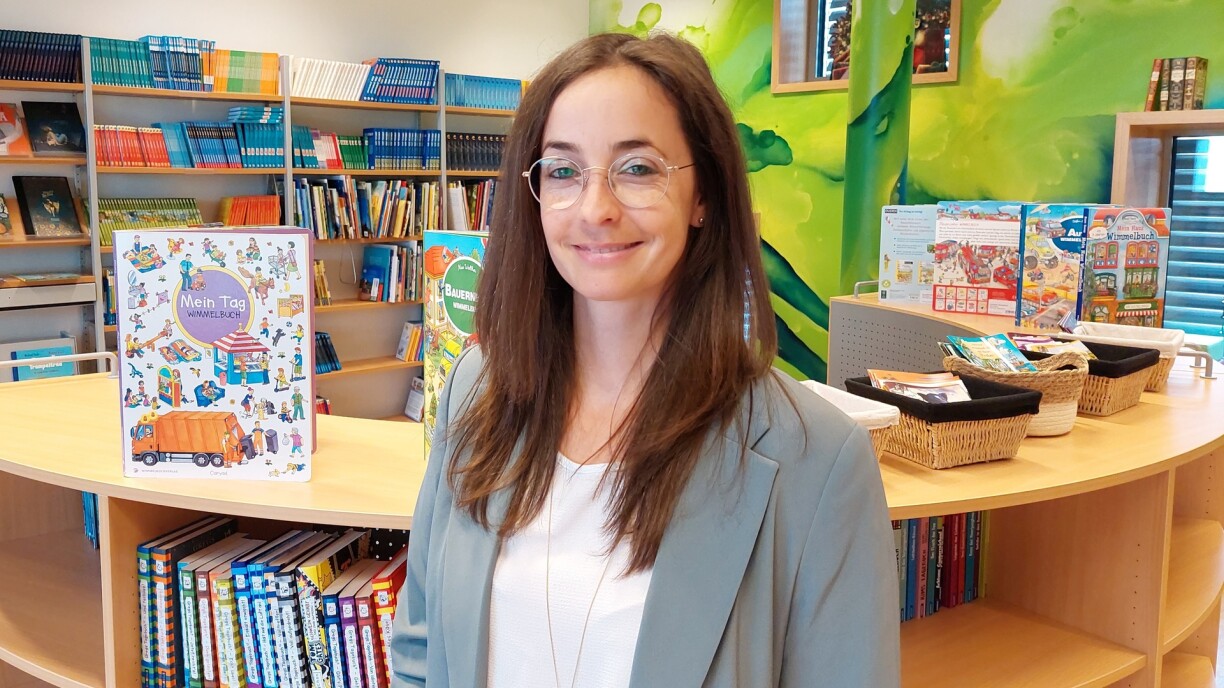
"The children are very authentic," Loewenstein explains. She says this was one of her main reasons for getting into teaching, as no day is like any other, and each day with her pupils can be exciting. She describes it as developing a school family, as teachers are often confidants and trusted adults for children with difficult home lives.
Part of a teacher's role is to contribute a small part to the Luxembourg of tomorrow. Loewenstein says that as a child, she enjoyed going to school.
The library in which the interview was held actually came about as the result of a project set up by Loewenstein herself upon her arrival at the Alzingen school two years ago. Her dedication to her role is clear, as is her insistence on building relationships as part of the school community.
On the last day of term, she invites parents for coffee, saying that parents are a key part of a child's learning process. "As a teacher, you need parents' support and trust." Teaching does not always have the best reputation, Loewenstein says, with sometimes unjust criticism levelled at staff by parents. Her aim is to build a relationship of mutual respect with parents, and she often invites them to participate in school activities where feasible.
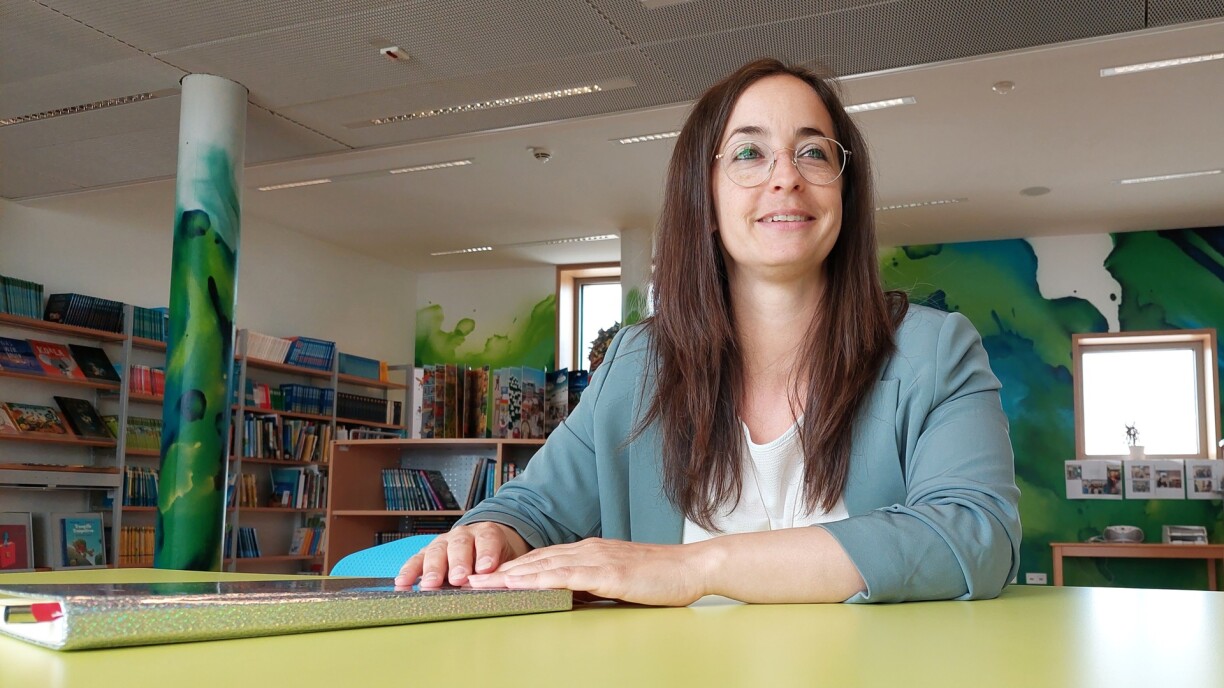
In Luxembourg, there is a unique linguistic challenge in education. Just two of Loewenstein's 14 pupils in her 2.1 cycle class this year spoke Luxembourgish at home. Initiatives to focus on French literacy are just part of the solution, she says, but it won't be right for every pupil. She believes the authorities need more contact with teaching staff on the ground to address the issue. Luxembourgish is often regarded as a "bridge" language for non-native pupils, learned as a second language before moving on to German, but this may now be an outdated concept, she explains, as many children come to school with multiple home languages, particularly if their parents speak two different languages at home.
Over the course of her 13-year career, Loewenstein has noticed a shift in the number of families who come to Luxembourg and decide to stay. She says that whereas previously, she taught children who would go on to leave Luxembourg after a year or so, she now sees many more pupils from families who have opted to settle in the Grand Duchy. However, school and informal education are frequently the only source of social contact for many foreign families.
In a less optimistic development, Loewenstein has also observed an increase in the number of pupils with difficult situations at home. She acknowledges that life in Luxembourg is not cheap, which piles additional stress on parents, and accounts for less time spent at home with children and more time at work to make ends meet. Children are not immune to conflicts at home and any upheaval in their home life is often reflected at school, she says. The number of pupils with specific needs has increased over the years and is a particular cause of concern for Loewenstein.
"As a society we really need to ask ourselves, what is the position of the child in society today? Are they ranked highly enough, or can we rethink how better to support our children?"
Loewenstein argues for the need of transparency in teaching. She opposes the idea of excluding parents from educational processes and believes schools should throw open their doors and invite people in where possible to observe their practices. This would also make the profession more attractive, she says, although she acknowledges it is a stressful, yet rewarding career.
What does the ideal school look like? The child's wants should be at the centre of any ideal school concept, Loewenstein says. Children enjoy nature and love playing games. Learning through play is key, she adds, with the opportunity to hide many teachable moments in games without putting pressure on the children. She also advocates for additional qualification opportunities for teachers and says that every day is a learning opportunity, no matter how long they have been in the profession. Above all, mental health should be a priority for both pupils and staff, she concludes.





