The primary purpose of the seminar was to educate young people and to motivate them to engage in fighting climate change.
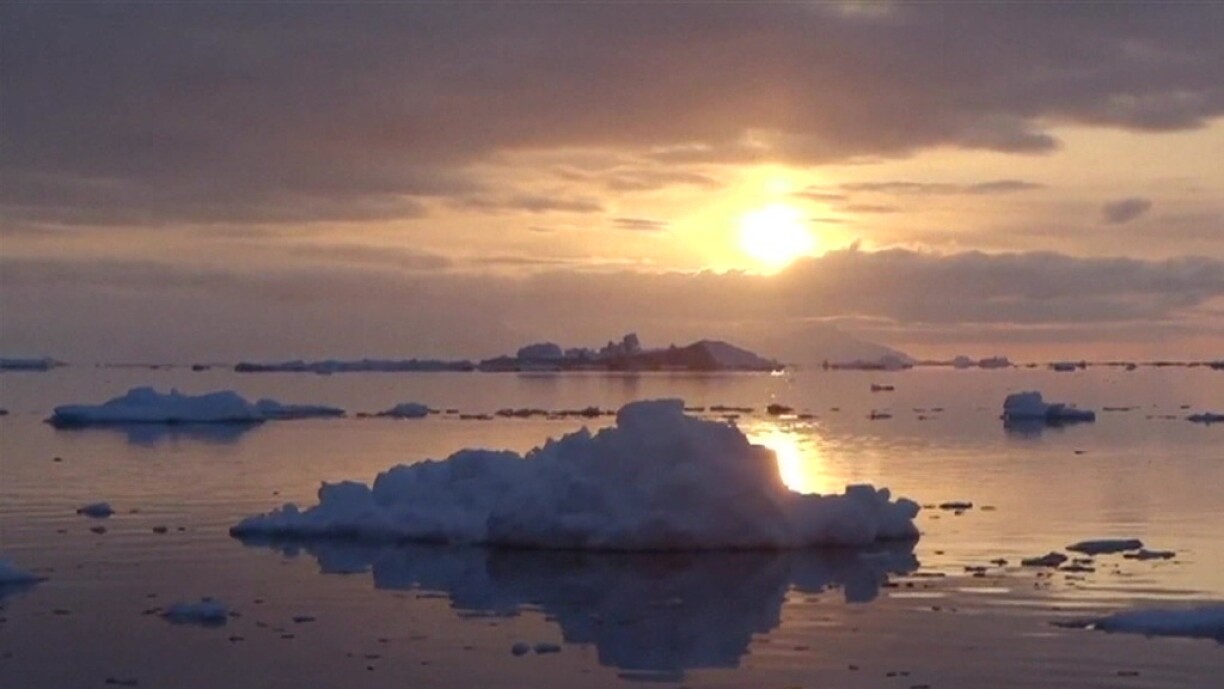
The Arctic zone is the area most heavily affected by climate change worldwide. It warms up twice as fast as the remaining parts of the world, as can be clearly seen by comparison photographs of glaciers. The ice-sea level, meaning the ice-covered ocean, of the Arctic has seen a record low and researchers are worried about the speed at which glaciers in Greenland are melting.
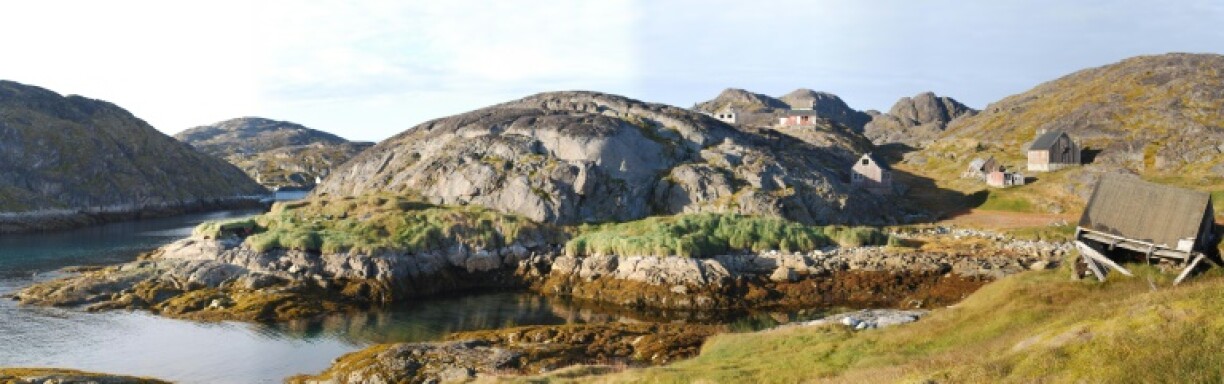
The devastating consequences of climate change are undeniable, with temperatures and the global sea level rising at 2.2 millimetres each year.
Flora and fauna, too, are affected. Experts fear the extinction of several species. Luckily, polar bears are currently not endangered as the Arctic continues to be the ideal habitat. Out of 27,000 polar bears in the Arctic area, 15,000 can be found in Canada.
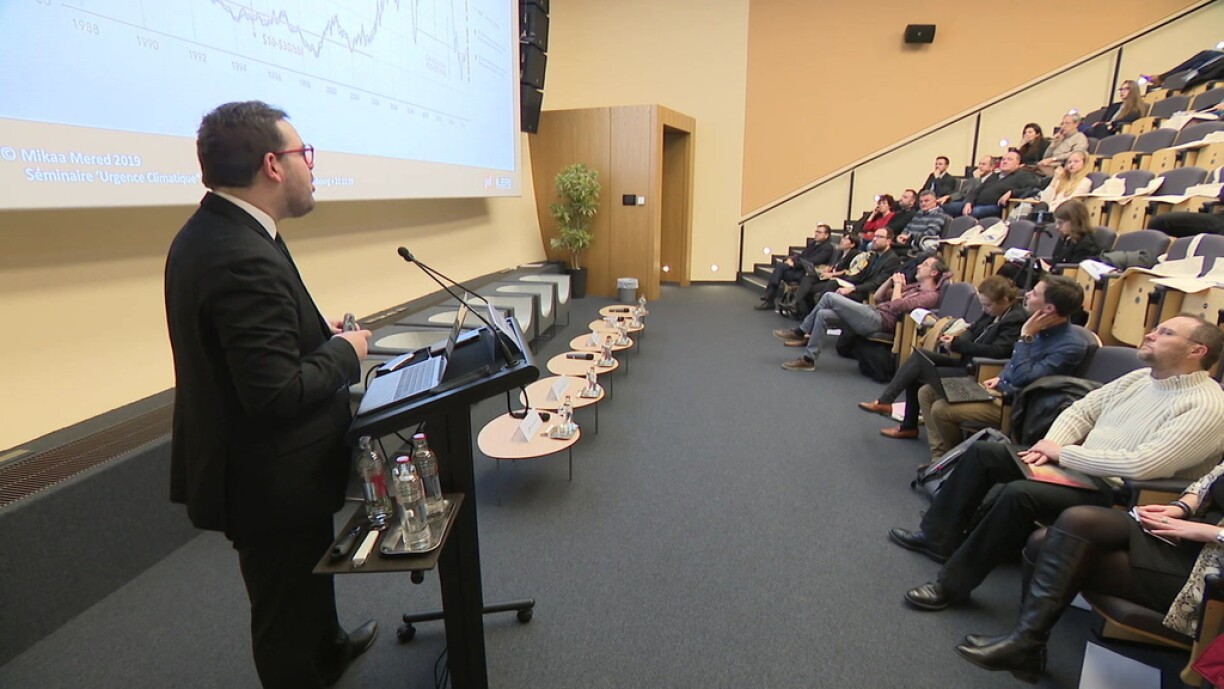
Valérie Masson-Delmotte, climate researcher and member of the French World Climate Council, told seminar attendees that there is room for improvement in Luxembourg, and that the country can adapt and limit its consequences of climate change. CO2 emissions in the mobility and heating sectors are especially high, said Masson-Delmotte.
Another point explored at the seminar was the use of forests. Forests should be used more efficiently in the fight against climate change, as they absorb CO2 emissions. Renewable energy could also be used more efficiently, by looking into how its capacities can be expanded and used in a better way.





