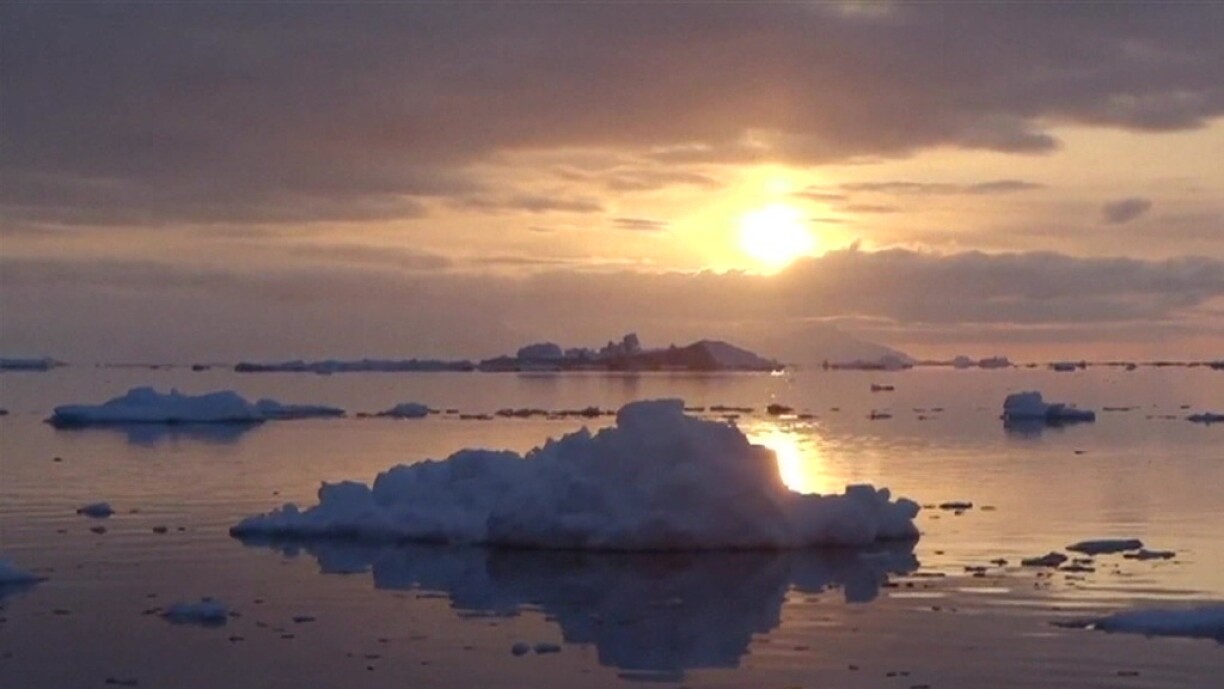
Above all, the goal of the discussion was to raise awareness and encourage people to engage with the topic. The Arctic is the area which is most affected worldwide by the effects of climate change.
The polar region is heating up twice as fast as the rest of the world, with ice cap levels the lowest they have ever been. Researchers are concerned at the fact that Greenland's glaciers are melting faster than ever. The consequences of climate change are clearly visible in rising temperatures and the world's sea levels which are rising by 2.2 millimetres every year.
Both flora and fauna are feeling the effects of climate change. Experts believe some species could die out as a result of global warming. Some 27,000 polar bears currently inhabit the Arctic, with around 15,000 living in Canada. The Arctic should be their optimal environment, according to the seminar, to ensure the number of polar bears remains stable.
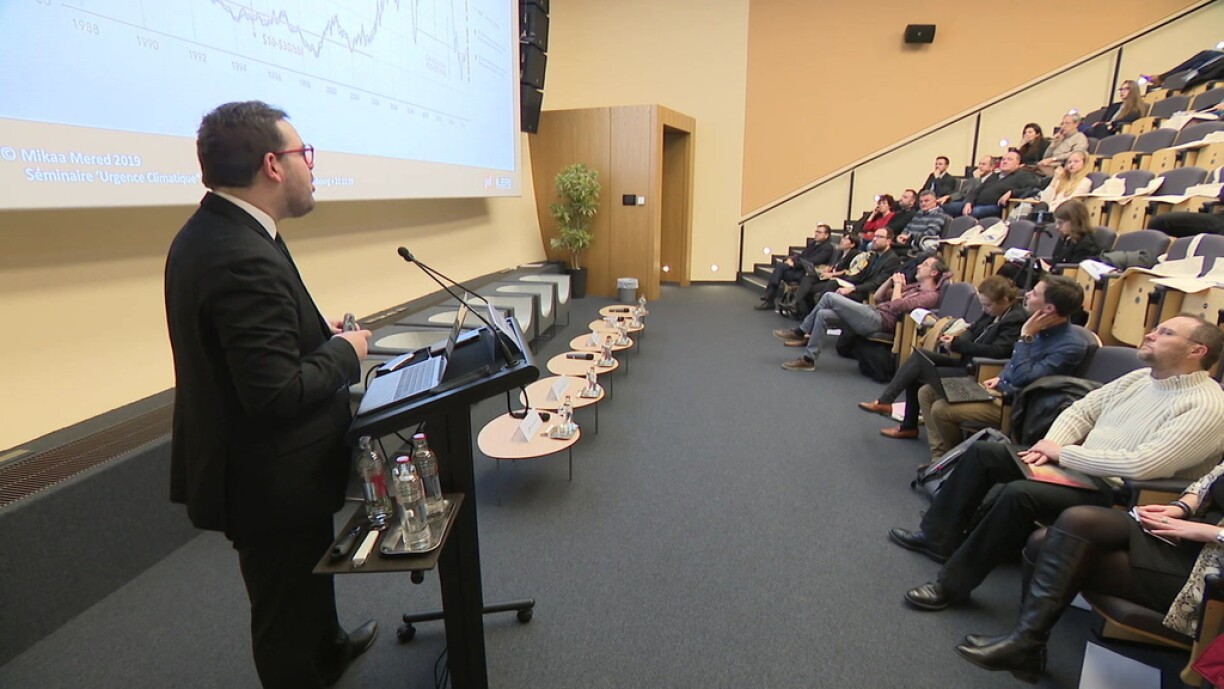
Valérie Masson-Delmotte is a climate researcher and a member of the French Intergovernmental Panel on Climate Change (IPCC). According to Masson-Delmotte, Luxembourg can help to limit the consequences of global warming in future by working on changes, particularly concerning the high CO2 emissions caused by traffic and heating in the country.
Discussions also turned to forests and their impact on the environment. Masson-Delmotte said forests be better used to decrease the amount of CO2 in the atmosphere. The question of renewable energy and how better to use these capacities also needed to be examined in closer detail.





