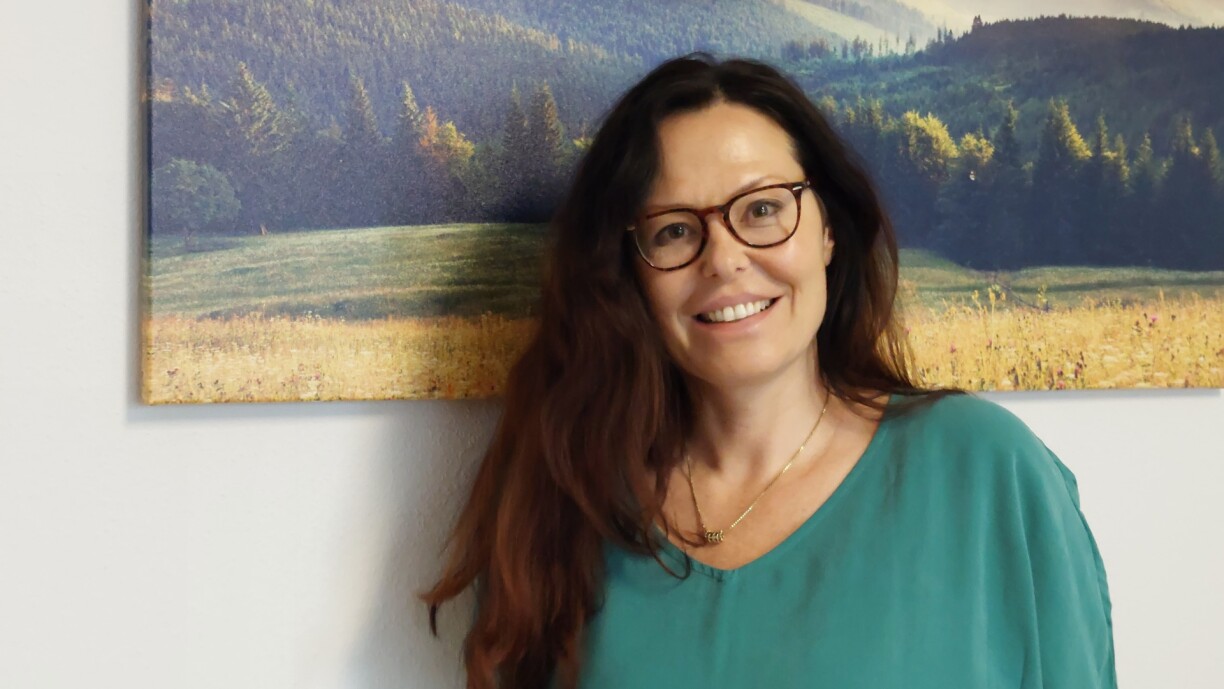
Although it is difficult to draw exact figures from the data available on mental health in Luxembourg, SOS Détresse director Nadja Bretz told RTL the psychological support service had experienced an uptick in calls seeking help for mental health concerns.
The SOS Détresse helpline (454545) received just under 4,000 calls last year. 2,200 of the calls related to mental health - an increase of 10% compared to 2021.
The service allows people to anonymously discuss any issues, from mental health and self-harm, to infidelity, or support through panic attacks, says Bretz.
.
"For us, it is just about saying, we are here for you and we are listening," Bretz says. The service, although primarily a listening support service, can also refer callers to other help desks and addresses upon request.
Bretz says that helping callers to understand their predicaments can often help them overcome the immediate issue, with many feeling less isolated after a conversation.
.
Loneliness can affect anyone, whether they are a young student or an elderly person in a care home, Bretz told RTL. "You could sit on the sofa at home, as part of a family of 5, and still feel alone," she says. "It is incredibly easy to feel isolated if you don't feel able to share your feelings."
"As for older people, they might have a carer come in once a day for ten minutes or so, but otherwise they really struggle with loneliness and lack of conversation. Even if it's just to discuss memories of the past, or current affairs, or to share thoughts running through their minds."
.
Bretz warns that loneliness can also lead to physical health issues, and says that just discussing feelings could be enough to combat unwanted side effects.
The SOS Détresse service, which is currently staffed by around 60 volunteers, recently expanded to include support in English, alongside Luxembourg's three official languages. In the autumn the service will launch its first online chat tool to make it easier for people to get in touch.
.
"This isn't just to attract younger callers, but instead a broader audience," Bretz says. "We know there are people who shy away from picking up the phone, so they might feel more comfortable using the chat option." There will also be an option to book chat appointments.
The service, primarily financed by the Ministry of Family and donations, is still seeking volunteers. Staff receive 18 months of training and are expected to be discreet about the fact that they work for the helpline.





