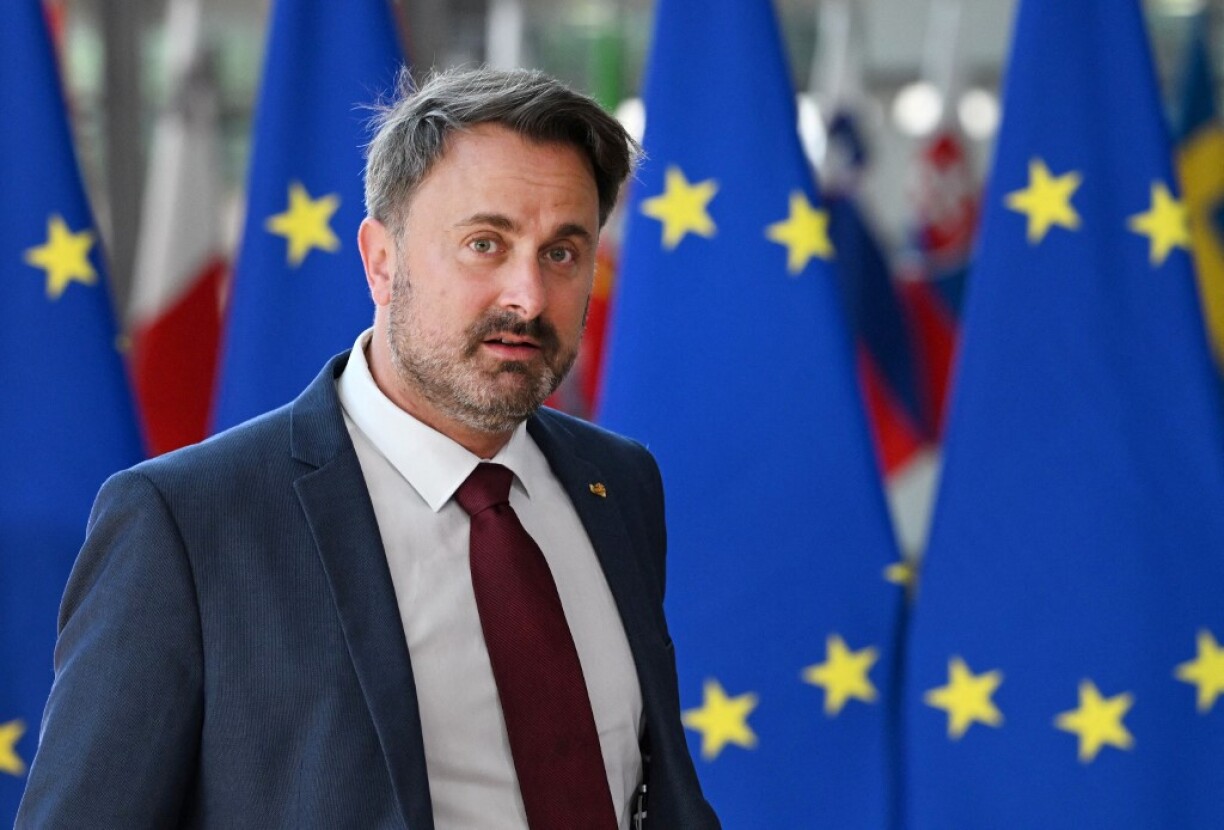
It barely pulls through, but against the other institutions, the government still has the upper hand. Despite the health crisis, the war in Ukraine, and inflation, voters continue to put their trust in Luxembourg's government.
According to the third part of the 'Politmonitor' survey, 51% of Luxembourgers of voting age state that they have confidence in Xavier Bettel's government. A small majority which echoes the situation of the coalition in the Chamber of Deputies: 31 deputies out of 60.
Behind them, the trade unions (39%) and the employers (37%) are far behind. The tripartite agreements signed by the government and the social partners, but boycotted by the Independent Luxembourg Trade Union Confederation (OGBL), probably influenced the answers given by survey participants. The debate surrounding the postponement of the wage indexation was particularly heated.
Mirroring the previous day's results on Luxembourg's most popular political figures, the opposition is lagging behind. Only 31% of voters stated that they have confidence in the opposition – an ominous result, only one and a half years before the next national elections.
A large majority of Luxembourgers are in favour of lifting health restrictions on leisure activities once the crisis is over (73%).
On the other hand, despite the dwindling number of new infections following the last Omicron wave, most voters are still in favour of a vaccine mandate (53%). It should be pointed out, however, that this measure is clearly favoured by the older generations and not very popular with younger voters (between 18 and 44 years old). After two years of upheaval, multiple waves of infection, and ahead of the next autumn, caution generally prevails among voters.
In this context, more and more people think that the pandemic will not be overcome this year. This stance has increased from 11 to 34% in six months. Younger people are more inclined to believe that the crisis will be overcome, but this feeling fades with age.
In a quick succession of international crises, the war in Ukraine has become a source of tension. A majority of Luxembourgers are worried about a military intervention in Ukraine by a NATO country. Although fewer and fewer people are concerned about this, 57% of voters fear that the conflict could lead to a third world war. This is also the case for a possible Russian attack on a NATO member country. In contrast, eight out of ten voters fear an economic and financial crisis in Europe.
Beyond the fears linked to the conflict, the war has already forced millions of Ukrainians to flee their country. Some have gone to Luxembourg, where requests for protection have increased, while the youngest ones are welcomed in the Grand Duchy's schools.
Half of Luxembourg's residents believe that Ukrainian refugees can integrate and should decide for themselves whether they want to stay in Luxembourg or return to Ukraine. On the other hand, 36% of those surveyed believe that Ukrainians should return to their country once their safety is guaranteed there.
Faced with the use of military power on Europe's doorstep, Luxembourgers would like the government to invest more in the Grand Duchy's military (52% in favour, 37% against). However, Minister of Defence François Bausch already clarified that Luxembourg is investing but will not reach the investment threshold requested by NATO.
Click here to read the first part of the 'Politmonitor', which dealt with residents' concerns regarding their finances. The second part (which you can find here) was dedicated to the popularity of Luxembourg's politicians.
Methodology of the survey:The Politmonitor is a study carried out by TNS Ilres for RTL and the Luxemburger Wort. A total of 1,048 residents aged 18 and over, representative of the Luxembourg population, were interviewed by telephone and online between 17 and 25 May 2022.





