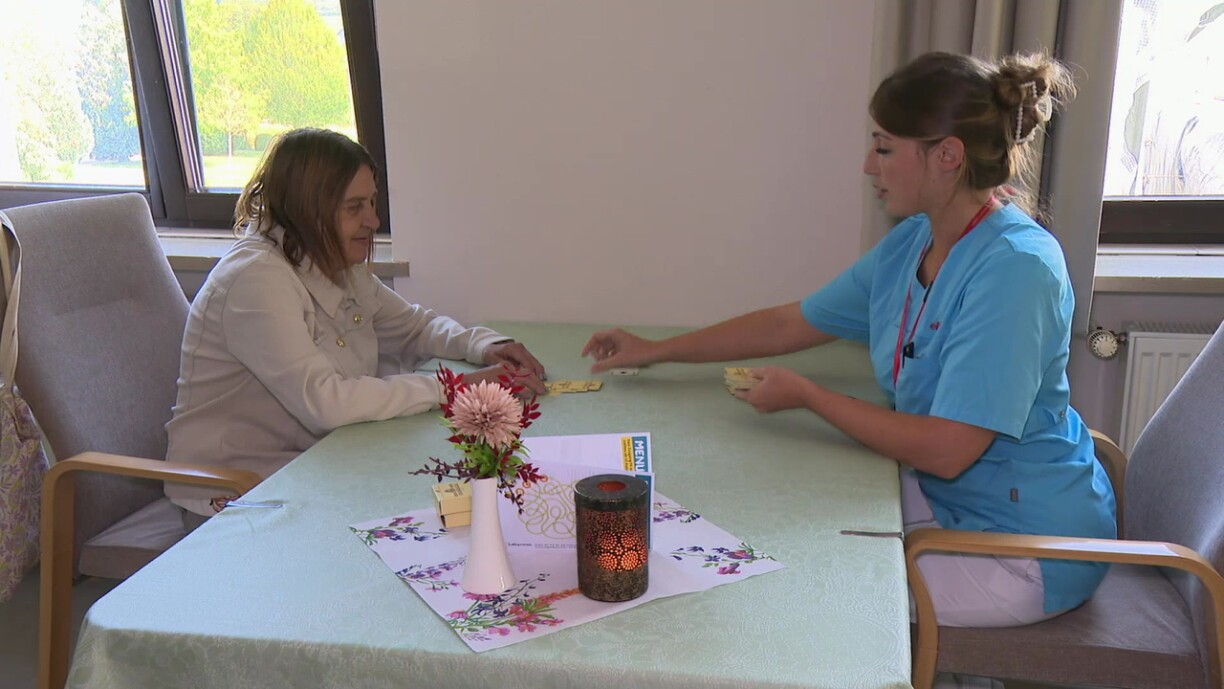
In Berbourg, a pilot project has been launched to create a nursing home for individuals living in precarious circumstances.
Participating residents of the CIPA (Centres for Integrated Services for the Elderly) "Haaptmann's Schlass" report experiencing increased well-being, tranquillity, and satisfaction in their new surroundings. This project specifically allocates 22 of the 151 beds at Haaptmann's Schlass for individuals in precarious circumstances. Importantly, age is not the sole factor because challenging life experiences can make someone age faster.
As individuals in precarious situations grow older, they often face compounded difficulties, including health issues, a lack of family support, and limited financial resources for nursing care or retirement homes. These challenges can further entrench their precarious status, which includes individuals who are homeless. To assist those in need, a pilot project has been underway since March. Currently, half of the designated beds are occupied, but due to a shortage of nursing staff, recruitment efforts are underway before additional residents can be admitted. There is already a waiting list, according to director Yves Morby.
Morby emphasises that interactions among residents have been positive. One resident, who has lived in Berbourg for two months, reports getting along well with others. While there have been some initial prejudices, Morby notes that these concerns have been effectively addressed, and residents are gradually becoming accustomed to one another.
To qualify for the programme, individuals must have their social rights established in Luxembourg and be monitored by an association focused on addressing precarity. Eligible individuals may not have a fixed residence or may be homeless. However, the decision was made not to directly admit people living on the street, as such a transition could be overwhelming. Instead, those who have previously lived in charitable settings may find it easier to adapt to their new home in Berbourg.
There is no age limit for eligibility, according to Morby. The key requirement is that the individual needs gerontological support. On average, residents in the pilot project are around 55 years old, with ages ranging from 37 to 74. In contrast, the average age of residents in the rest of the building is 84.
The project is backed by the Ministry of Family Affairs, with structural adjustments to the CIPA costing approximately €4 million. An additional €2 million per year is allocated for overall support, including personnel expenses for 13 staff members. The pilot project is expected to last two years, beginning once all 22 beds are occupied, as noted by Minister for Family Affairs Max Hahn. The initiative originated in the field and was subsequently developed in collaboration with the ministry. Determining how many additional beds are needed to meet demand remains challenging, but experience gained during the pilot will help inform how other nursing homes can create similar spaces for individuals in precarious situations.





