Luxembourgish companies need to become more resilient and less dependent on large corporations, according to the president of the Baueren-Allianz, who is also sceptical about a proposal to boycott EKABE products.
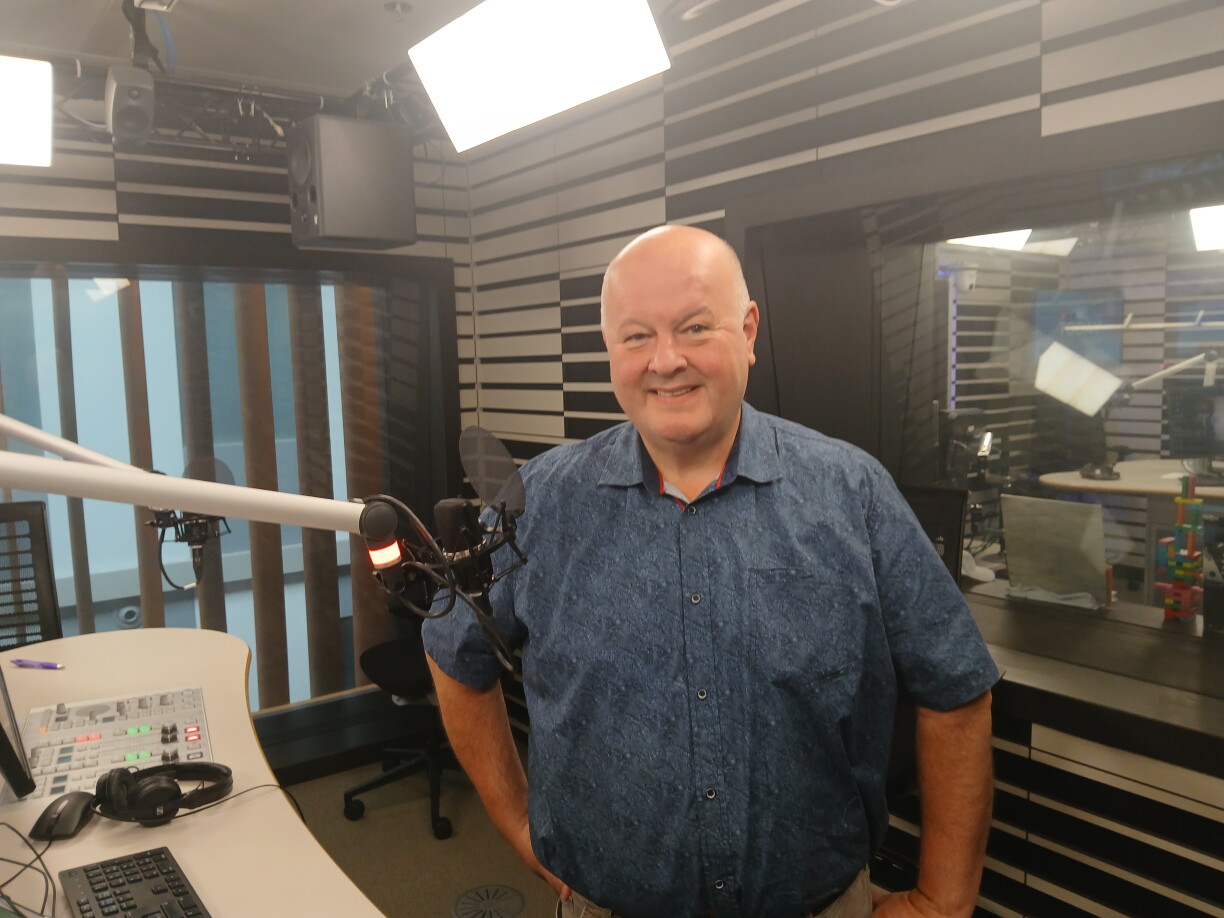
A meeting was due to take place at the Ministry of Agriculture on Monday at 1pm to discuss the future of at least some of the country's dairy farmers. It emerged on Thursday that the EKABE dairy, owned by the French Lactalis group, will stop taking Luxembourgish milk from 1 April next year, affecting nearly 70 farms. RTL's Marc Hoscheid spoke to Marco Koeune, president of the Baueren-Allianz, about how the situation is unfolding and how it ought to be handled.
Koeune said it would be a natural reflex for the farmers concerned to seek talks with the minister and lay out their situation. The minister also has a network of contacts, both with her French counterpart and with various dairies, but Koeune does not see Lactalis reversing its decision to stop sourcing Luxembourgish milk. A more realistic path, he suggested, would be to negotiate a longer transition period so that farmers have time to switch to another dairy.
The options on the table would be either Luxlait or a dairy in a neighbouring country, principally Arla or Hochwald. The question, however, is whether the German dairies operate along the same lines as Lactalis. Arla recently merged with the DMK (Deutsches Milchkontor) Groupe, with the new entity bringing together some 11,200 farmers, a milk pool of 19.4 billion kilograms, and an annual turnover of more than €20 billion. Lactalis, for its part, employs 85,000 people worldwide and turns over more than €31 billion a year.
The Baueren-Allianz is also critical of seeing Luxembourgish companies absorbed into such large structures. Luxlait, as a more manageable cooperative, would probably be the better alternative, but expecting it to absorb the approximately 50 million litres previously delivered to EKABE in one go would be unrealistic.
More broadly, Koeune argued that Luxembourg should shift its focus from quantity to quality. The Grand Duchy has already invested heavily in quality programmes in recent years, whether for meat or milk, but individual farms will need time to adapt their production. Ultimately, he added, the products also have to be bought off supermarket shelves, and the consumer has a role to play.
Asked about a possible boycott of EKABE products, Koeune was rather reticent. It would be better to lay low, he said, with the futures of 68 farming families at stake. He recalled how more than 1,000 people took to the streets in Diekirch in 2012 against the planned closure of the brewery, but whether such a move would make sense here, or whether enough people could even be mobilised, remains a question mark.
In her reply to an urgent parliamentary question from Christian Social People's Party (CSV) MP Jeff Boonen, Agriculture Minister Martine Hansen provided further figures. According to her, 54 million kilos of milk from Luxembourgish producers go to EKABE production every year, accounting for between 10% and 15% of the country's milk output.
The Eschweiler site processes 40 million kilos of foreign milk on top of the Luxembourgish supply. Even though the plant will no longer process Luxembourgish milk from April next year, it will continue to operate. Lactalis did not inform Minister Hansen where the milk for next year's EKABE products would come from. The company also said it would look at how to support the affected farmers in this period, with other options to be evaluated and the processing capacity of dairies in the Luxembourgish market to be analysed.





