Authorities say the situation regarding Xylella fastidiosa, or fire bacterium (Feierbakterie), affecting vineyards along the Moselle is currently under control.
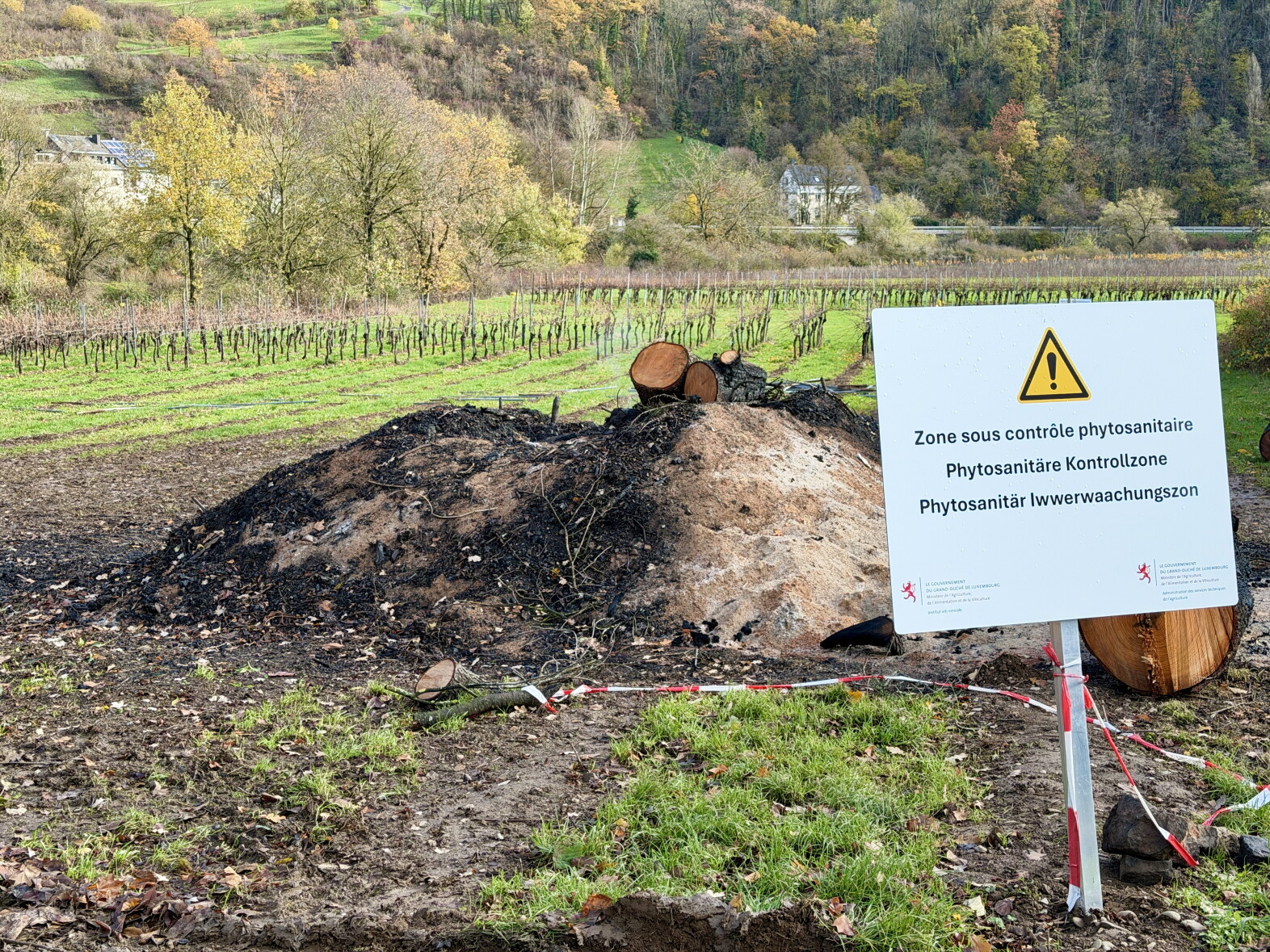
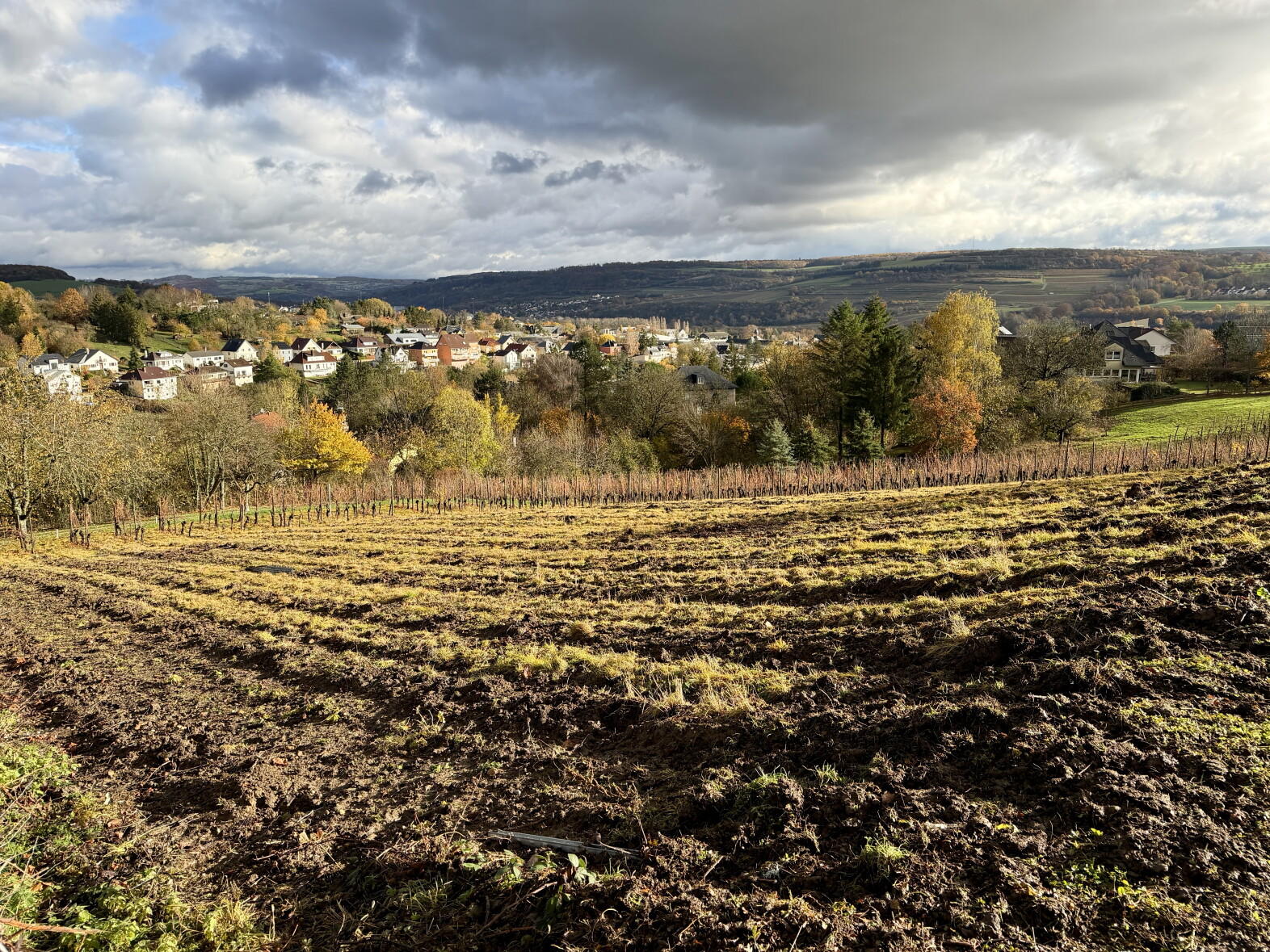
However, officials stress that it is too early to declare the danger over, and it may take some time before conditions in the three affected zones return to normal. Within the designated perimeter, both vines and other plants have been uprooted and burned on site to prevent further spread.
Monique Faber, head of the Administration of Technical Agricultural Services (ASTA), explained that they have recently collected 364 samples, primarily from other vineyards in the area, as well as private gardens and wild vegetation surrounding the infected zones. While no new positive cases have been detected so far, ASTA will continue to monitor the situation closely.
With winter setting in and cold temperatures expected until late spring, nature should help keep the situation stable. The insect responsible for transmitting the disease, a small cicada species, only becomes active at temperatures above 16°C and does not survive frost. This gives the authorities time to prepare a strategy for the coming summer, as the recent autumn cases on the Moselle mark the first time that the Xylella fastidiosa bacterium has appeared in the region.
Monique Faber from ASTA explains that the adult insects present this year have laid their eggs, but these eggs are naturally free of the Xylella bacterium, meaning they cannot cause new infections now. The eggs will overwinter, and when temperatures rise in spring, young larvae will hatch and go through several developmental stages. Around June, the first new adults are expected, which could then potentially infect new plants.
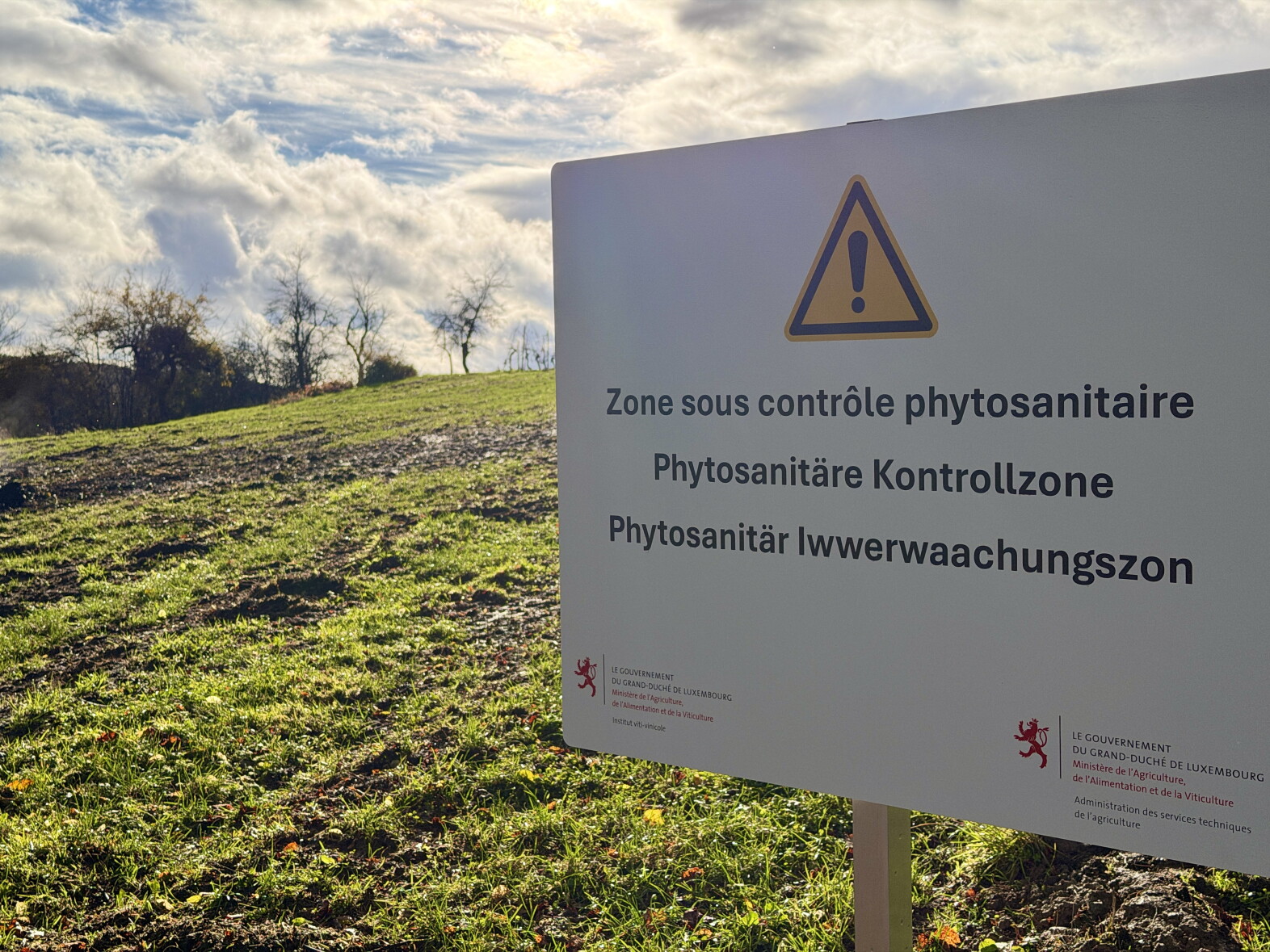
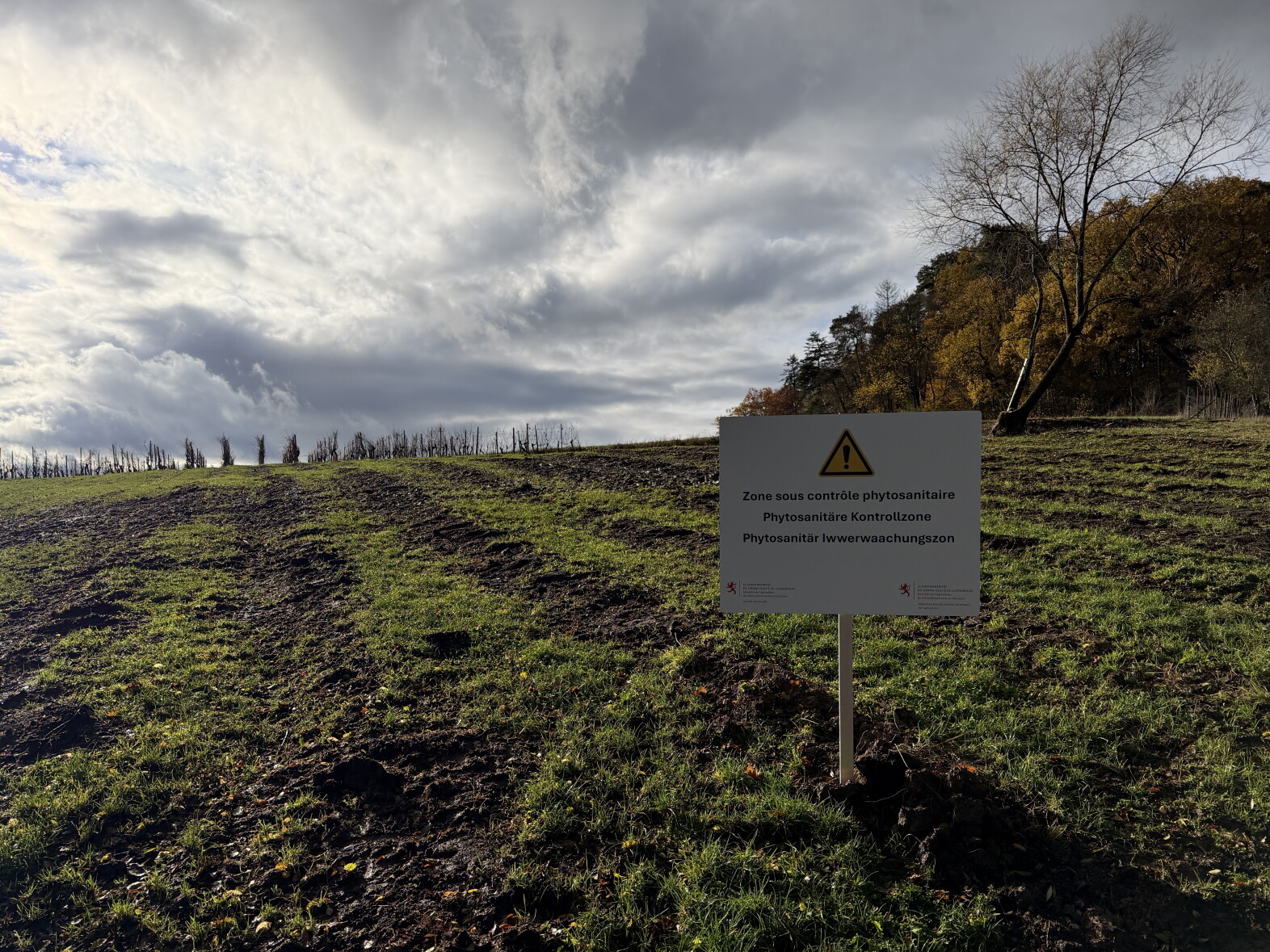


Current restrictions and buffer zones will remain in place until further notice.
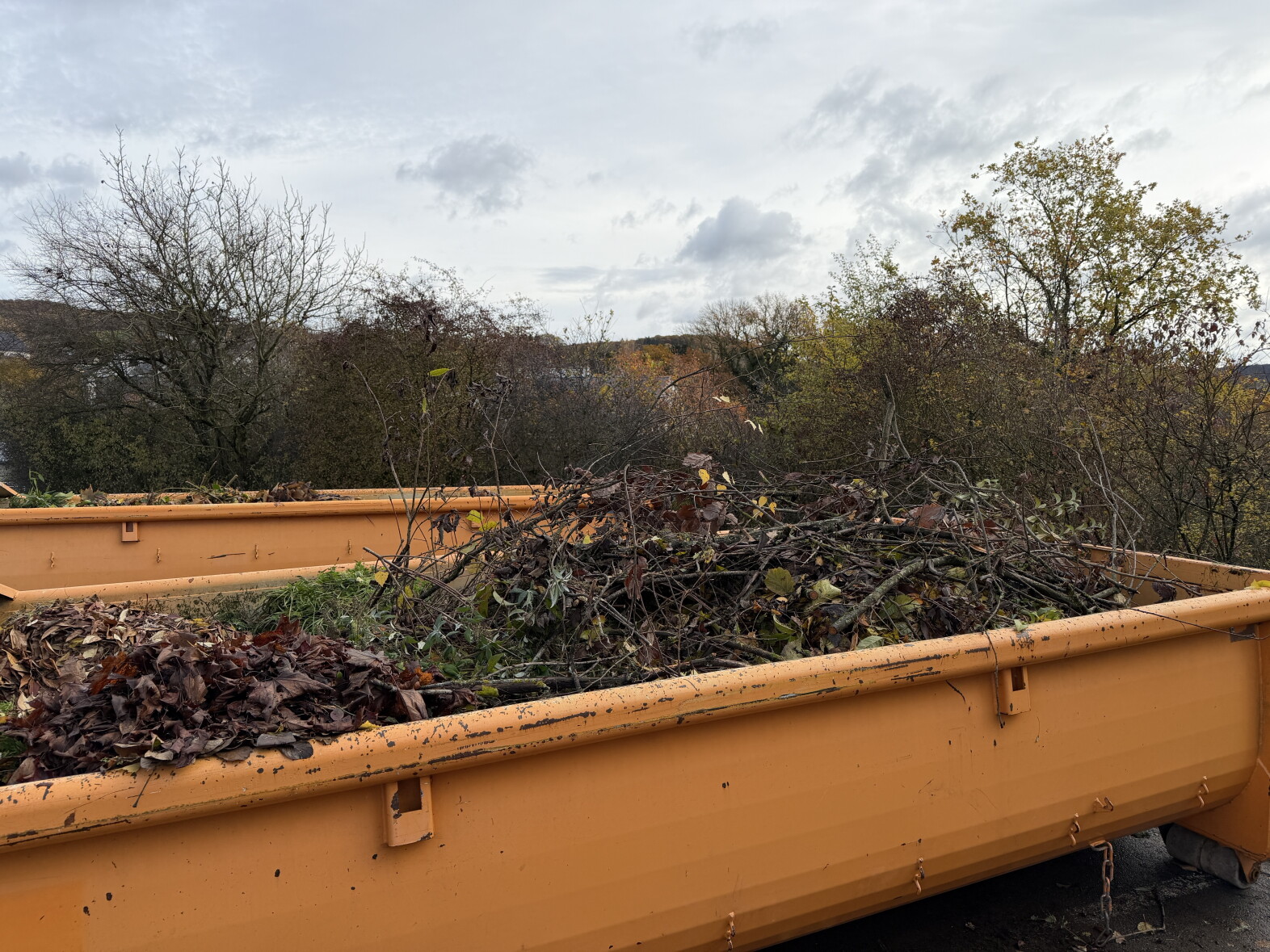
This also means that green waste from the municipalities of Grevenmacher and Mertert-Wasserbillig cannot be transported outside the area.
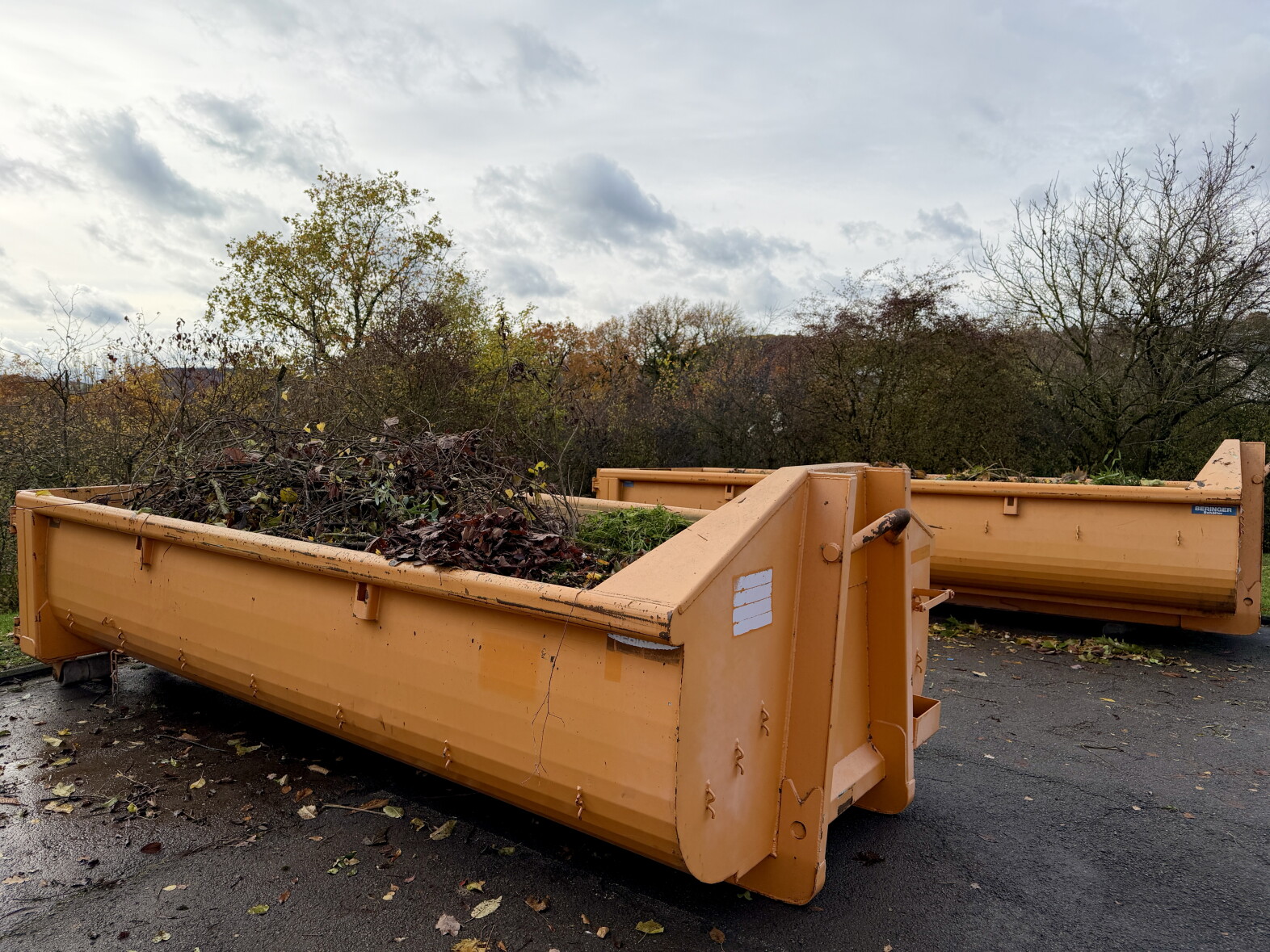
Monique Hermes, mayor of Grevenmacher, explained that their green waste used to be sent to the SIGRE facility, but after the outbreak the lorry had to be disinfected, which became a tedious process. Now, residents must take their green waste to two designated sites, op Flohr, and beim Ale Quai.
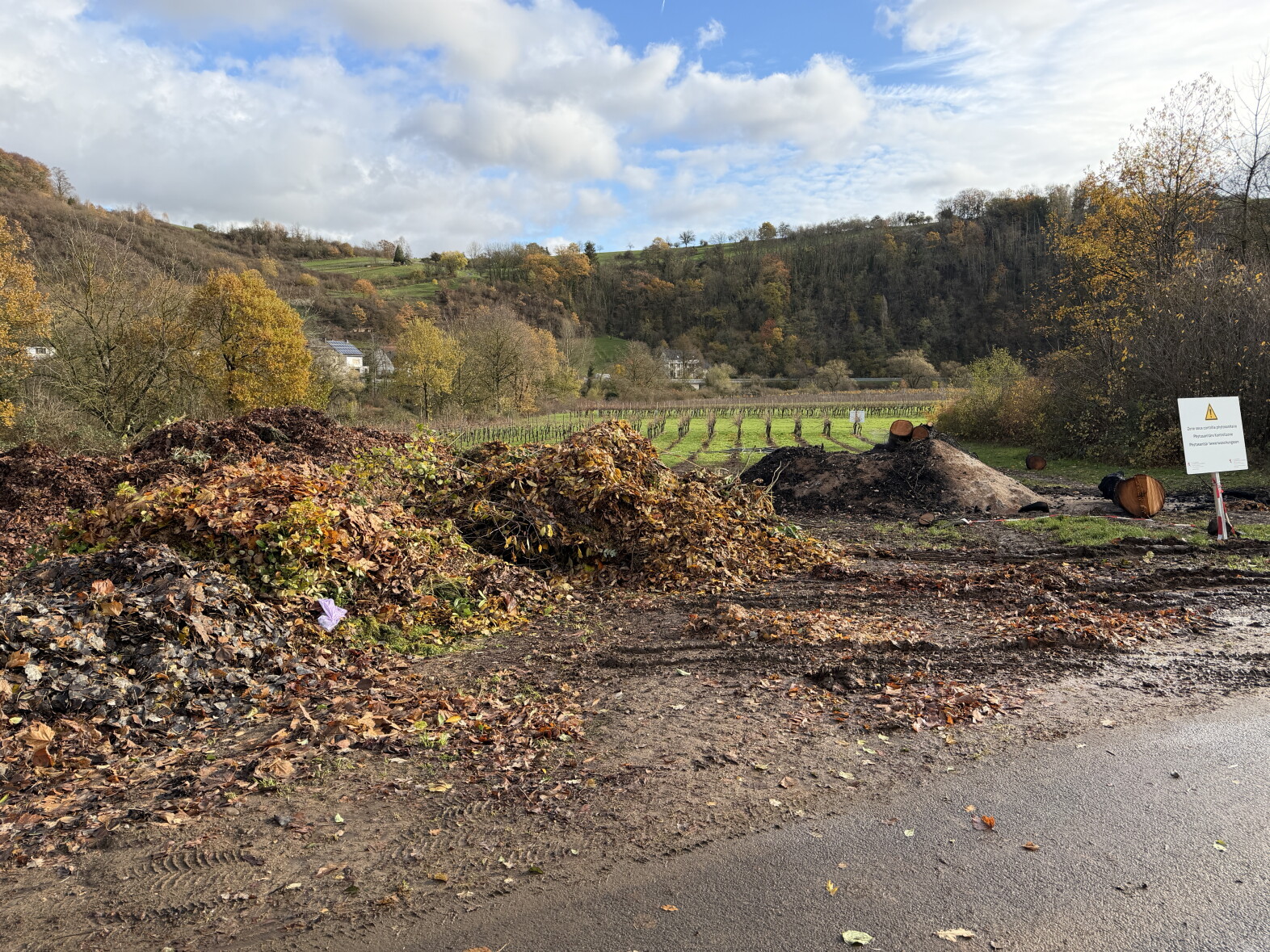
Previously, the municipality collected green waste from households every two weeks, which is no longer possible. Instead, it is now burned on the municipality's own premises.
In Wasserbillig, green waste is disposed of at the same location where a vineyard had to be uprooted due to the Xylella fastidiosa bacterium. For at least one year, no new planting will be allowed on the affected sites.
The Moselle region is of great significance for many residents.
Grevenmacher mayor Monique Hermes notes that for many people along the Moselle, working in the vineyards is their livelihood, and small private winemakers are deeply committed to producing wine here. If the Moselle vineyards are lost, the country also loses one of its most important national products, and many people lose their income.
She emphasises that, so far, everyone has taken the situation very seriously and residents have acted responsibly.


