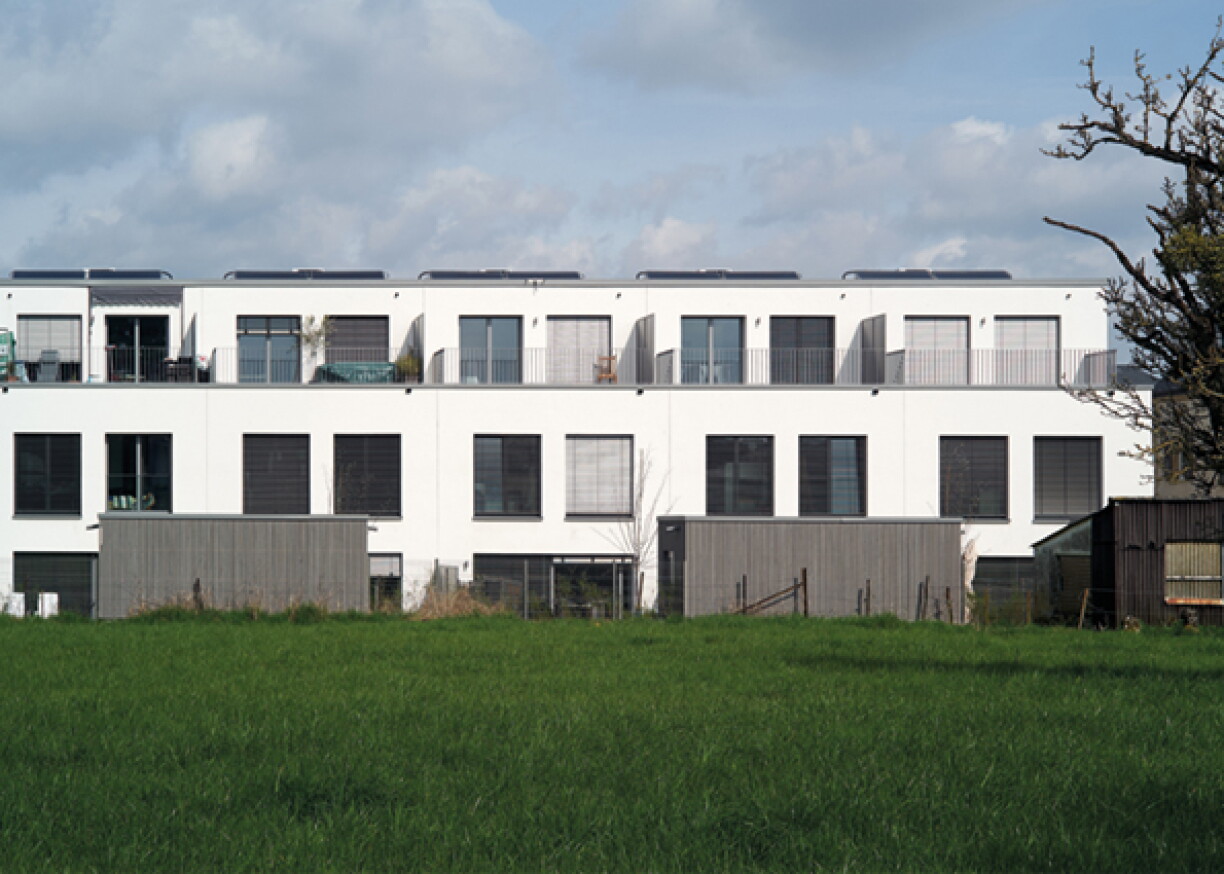
The opposition parties in Luxembourg City have criticised both the national and municipal governments for what they describe as a lack of concrete action to address the country’s mounting housing crisis. They argue that, although the scale of the problem is visible to all, detailed data on vacant properties remains unavailable, a situation they deeply regret.
According to the LSAP, the Greens, and the Left, national-level solutions are stalled in parliamentary limbo, but this should not prevent municipalities from taking proactive steps. However, the opposition claims that the City of Luxembourg’s council majority continues to make excuses, rather than using the tools already at its disposal.
Maxime Miltgen, LSAP councillor, stresses that Luxembourg sees vacant homes and undeveloped land, and it has instruments to act. However, instead of taking action, she regrets that the focus seems to be on why nothing can be changed, which Mayor Polfer describes as a "Herculean or Sisyphean task.”
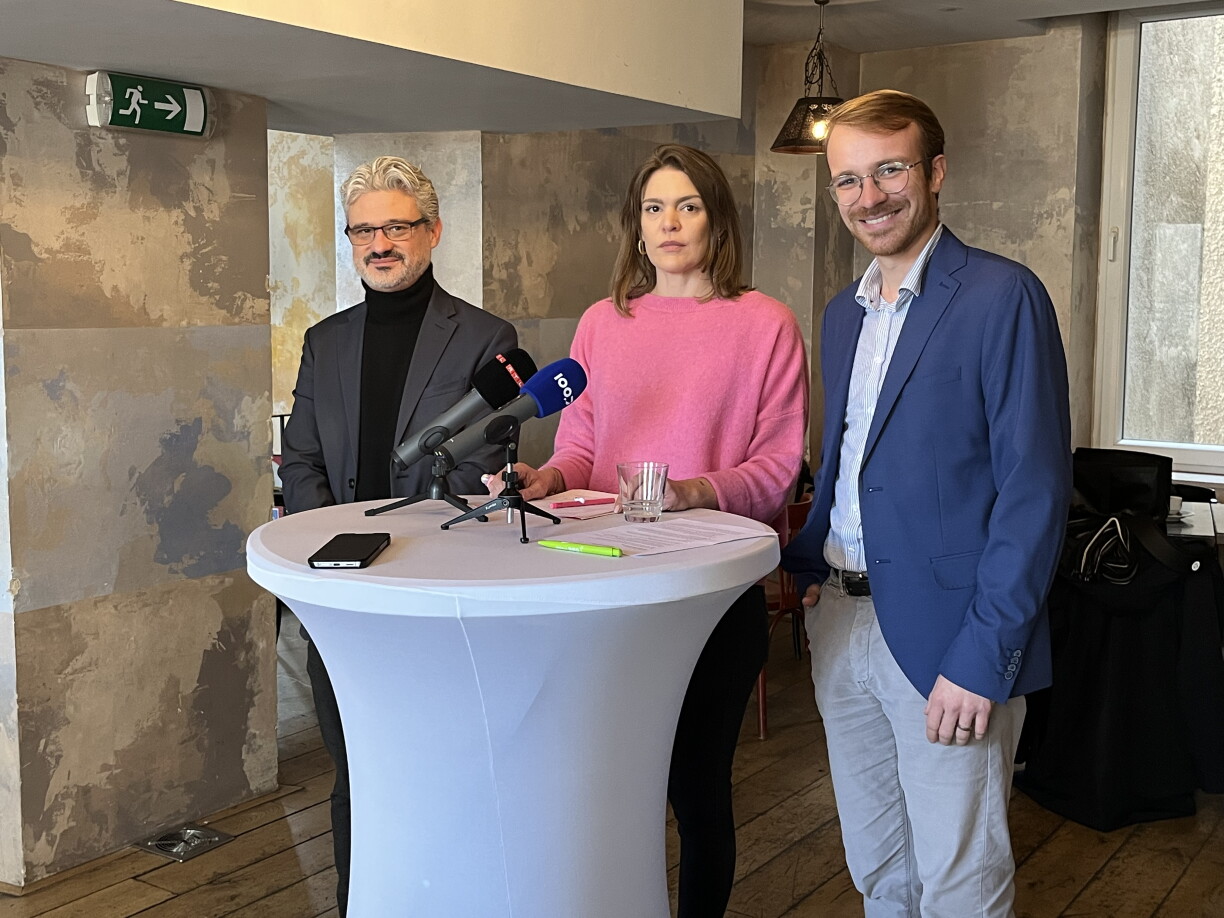
The opposition parties suggest that the City of Luxembourg could follow the example set by Esch, where similar measures are either in place or being considered. They propose a new regulation: any home left vacant for more than 18 months should be subject to a tax.
Fabricio Costa, councillor for the Greens, explained that the tax would start at €50 per square metre in the first year, rise to €70 in the second year, and reach €100 per square metre in the third year. He explains that their proposal seeks to create a progressive tax over the years to provide a further incentive for owners to rent out or sell their properties.
For undeveloped land, the proposed tax would apply after a plot remains unused for more than three years. The tax would be €50 per square metre in the first year, €100 in the second, and €150 in the third, applied annually.
The parties clarified that there would be exemptions and ceilings for residential properties. Exceptions would apply in cases such as ongoing renovation works, when an owner moves into a retirement home, or during inheritance proceedings. However, these exceptions would only be temporary, lasting for two to three years.
David Wagner (Déi Lénk) stressed that only a small number of companies or individuals own many vacant homes and plots in the city. He was suspicious about the majority coalition of the Christian Social People’s Party (CSV) and the Democratic Party (DP) not prioritising the interests of vulnerable residents.
Instead, he wonders if the CSV and DP want to ensure that more affluent residents continue to live in the city, which, in the long run, electorally benefits them.
Mayor Lydie Polfer acknowledged the housing crisis, but disagreed with the opposition on its causes and solutions. She pointed out that more than 30 special development plans ("plans d’aménagement particuliers" -(PAP)) are ready, potentially allowing for the construction of up to 2,500 new homes.
However, Polfer explained that not all of these projects are underway, because some lack funding, others cannot get loans, and some with the financial means know they will not be able to sell.
Laurent Mosar, the city’s finance councillor, argued that introducing new taxes would be counterproductive and would not help the municipality’s efforts. He stressed that his party does not believe that the solution lies in new or higher taxes, contrary to the approach preferred by the Socialists and the Greens.
While Esch is moving ahead with a similar tax proposal, its local council has a majority politically aligned with the coalition in Luxembourg City. Ultimately, the proposal was rejected by the CSV/DP majority and the Alternative Democratic Reform Party (ADR).


