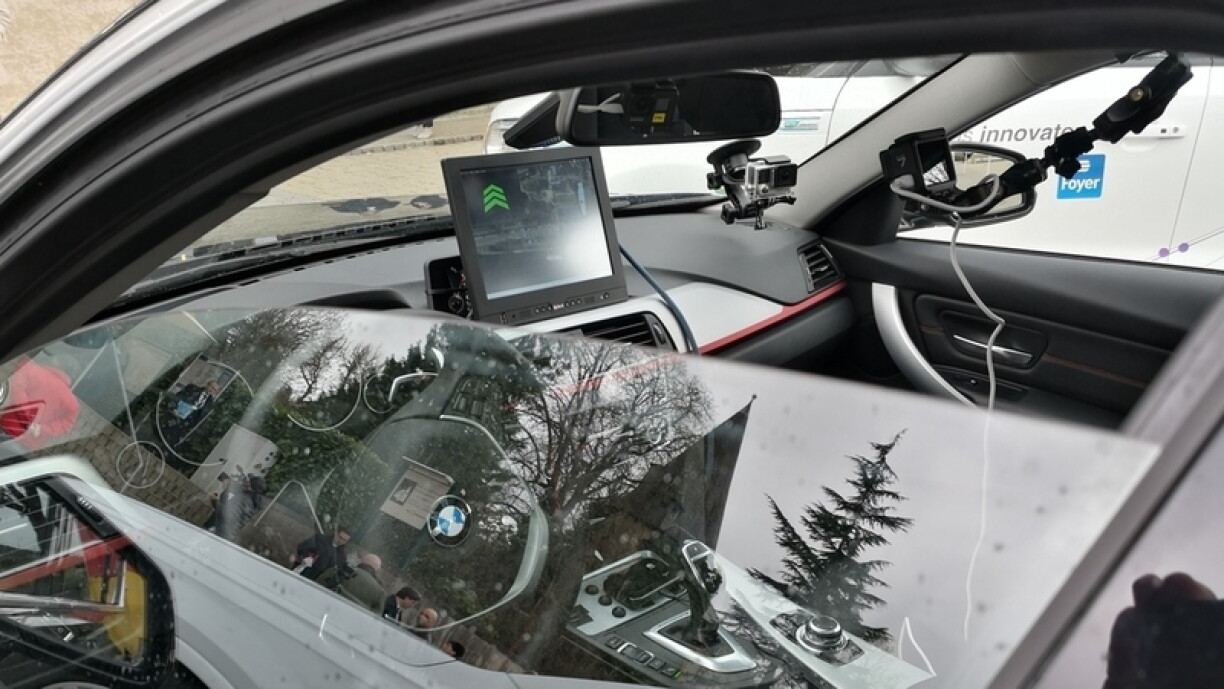
Already, a number of cars that partly drive themselves on our streets exist. Whilst manufacturers continue to focus on new technology, MPs have raised concerns about Luxembourg's infrastructure.
The Pirate Party in particular is doubtful that vehicles will be able to cope with Luxembourgish roads. At the time being, in any case, a number of problems still seem to be cropping up.
In a parliamentary question directed at Minister for Mobility and Public Works François Bausch, MP Marc Goergen referred to the issues that some level two self-driving cars continue to struggle with, notably bad signposting and street markings as well as construction sites.
In his response, Bausch explained that these level two cars had not been installed with the Highway Code (Code de la Route), as they are primarily for testing purposes only. He also highlighted that level two cars not yet completely anonymous, requiring drivers to lead the cars and supervising the vehicles. Level two vehicles require humans to be hands-on at all times.
In terms of the Luxembourgish grid plan, motorways are held to the highest standards, as are "right-of-way" signs on country road crossings. Signposts indicating directions are held to standards just one degree lower, and up to 10,000 signs are replaced per year on national roads.
As for street markings, hard shoulders on the motorways are redone once a year. This is not possible for country roads, however, the minister highlighted.
In any case, since something as simple as bad weather can bring down the quality of signposts, driving assistants should be able to manage poor signing.


Goergen raised the issue of missing centre lines on country roads, lines that assistants use to remain in their lane. Bausch explained that markings on country roads are meant to encourage greater awareness in drivers. A missing centre line would ensure that drivers would pay more attention, both to the road and to their surroundings. This same philosophy underscores 30km/h zones and pedestrian zones.
The crux of the matter is, autonomous cars should be adapting to their environment, not the other way round.
This kind of driving will only be possible on smaller roads and towns once driving assistants can master these obstacles. The minister explained that we can consequently expect driverless cars will be allowed on motorways to begin with.
More information concerning the potential risks of autonomous vehicles is something the Ministry for Transport and Infrastructure, in cooperation with the Ministry for Consumer Protection, will look into once it becomes a reality in Luxembourg.





