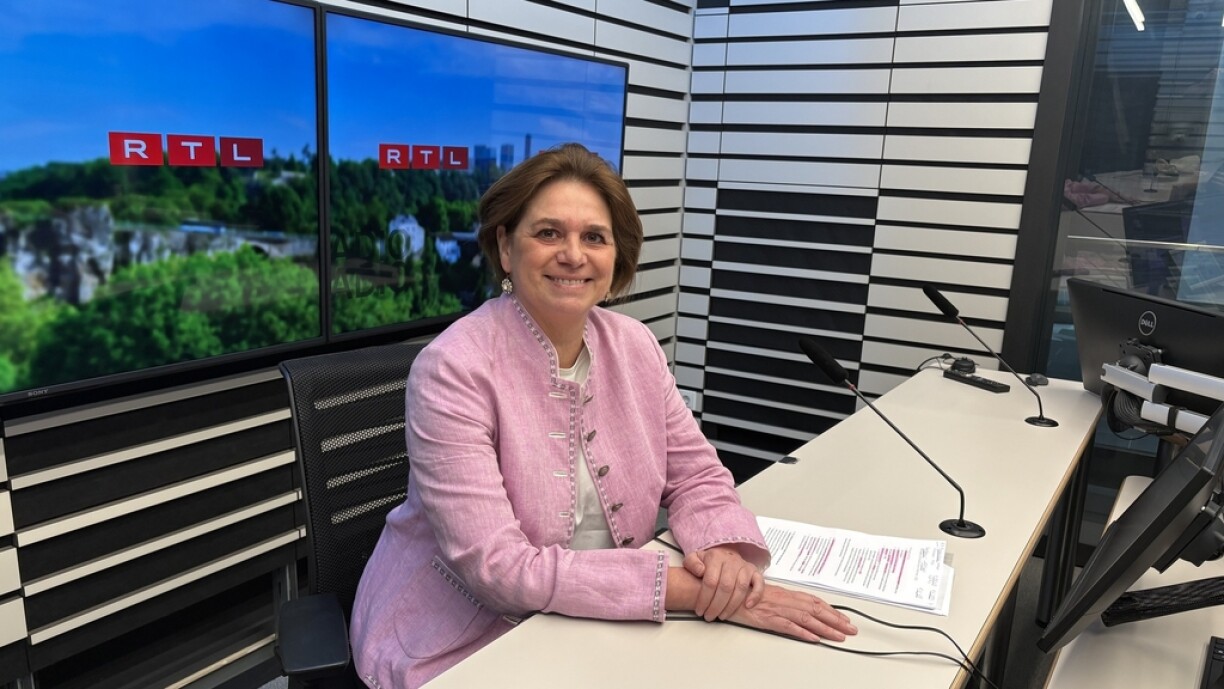
"We must ensure that we are permanently competitive", said Valérie Massin, the new head of ArcelorMittal Luxembourg, speaking on RTL Radio on Thursday morning. Talks between the steel giant, the government and trade unions will begin in early October to negotiate the period after LUX2025, a tripartite agreement designed to safeguard jobs, guide restructuring, and secure investment in Luxembourg’s steel industry.
The last agreement included both investments and job cuts. Asked whether jobs would be lost again this time, Massin replied: "What is certain is that we must in Luxembourg, as in all of the European steel industry, ensure that we are competitive at all times."
She stressed the need to be proactive: on the one hand investing, while at the same time keeping costs under control. From the interview it also emerged that high standards and the CO2 tax in the EU pose challenges for the European steel industry, alongside high US customs tariffs and lower standards abroad.
ArcelorMittal Luxembourg already has clear goals for the period after 2025, but ahead of negotiations on the next LUX agreement, Massin said she could not yet share details. However, when asked about the strong financial results of the country's largest sites – Belval and Differdange – she admitted: "One can say that we have good activity at our Luxembourg production sites."
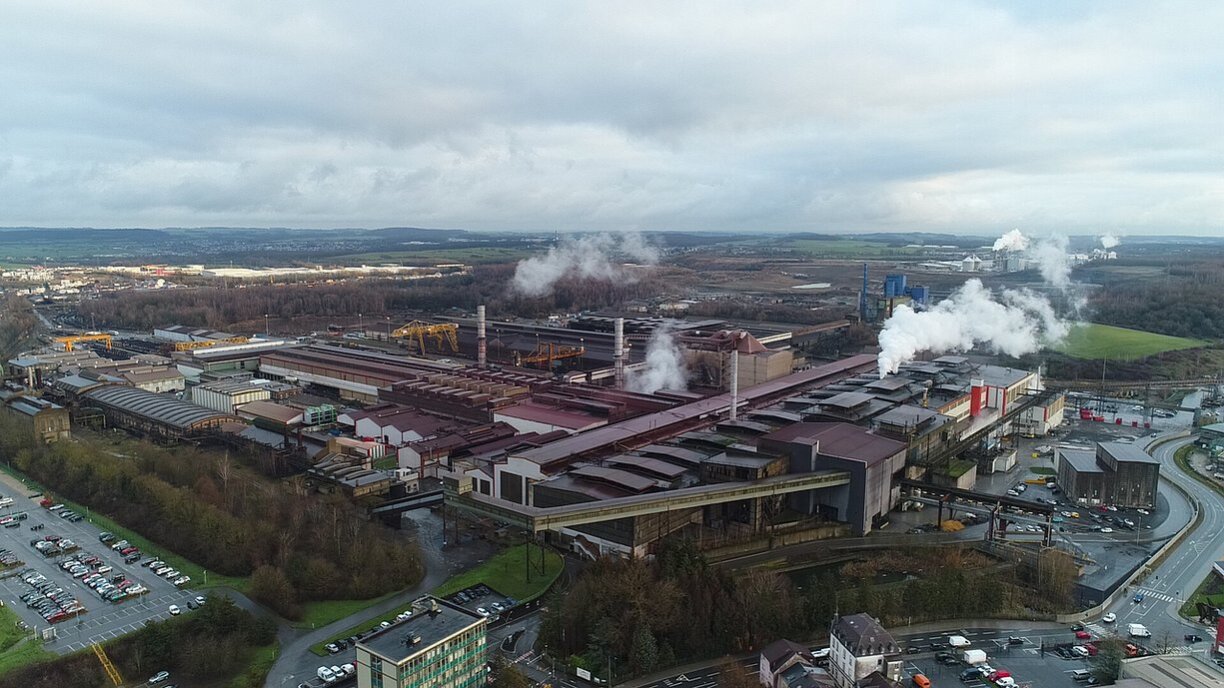
With the European Union planning to invest more in infrastructure and defence, prospects are "rather good", Massin explained. Luxembourg’s sites hold a "leading position" in these areas: Differdange with the so-called "sections" and "jumbo beams", Belval with sheet piles, and Rodange with rails.
Massin also highlighted that the installation of a new furnace in Belval would increase production by around 15%. At the same time, both costs and CO2 emissions across the entire cluster in the south of the country would fall.
Despite this, Massin urged caution in view of a "rather difficult" geopolitical environment, which she said was unsettling investors and markets. She pointed to US customs tariffs, warning that products previously "shut off" from the American market now risk flooding the European market.
According to Massin, the European steel industry faces "unequal competition", particularly felt at the Bissen site, where different types of cables are produced but the future remains uncertain. Products in Bissen are not protected by "safeguard measures" against cheaper imports.
"This is a discussion that is ongoing with the EU Commission", Massin said. In the meantime, she noted, consideration is being given to "reorienting" or "concentrating" Bissen on products where it would be possible to compete against rivals.





