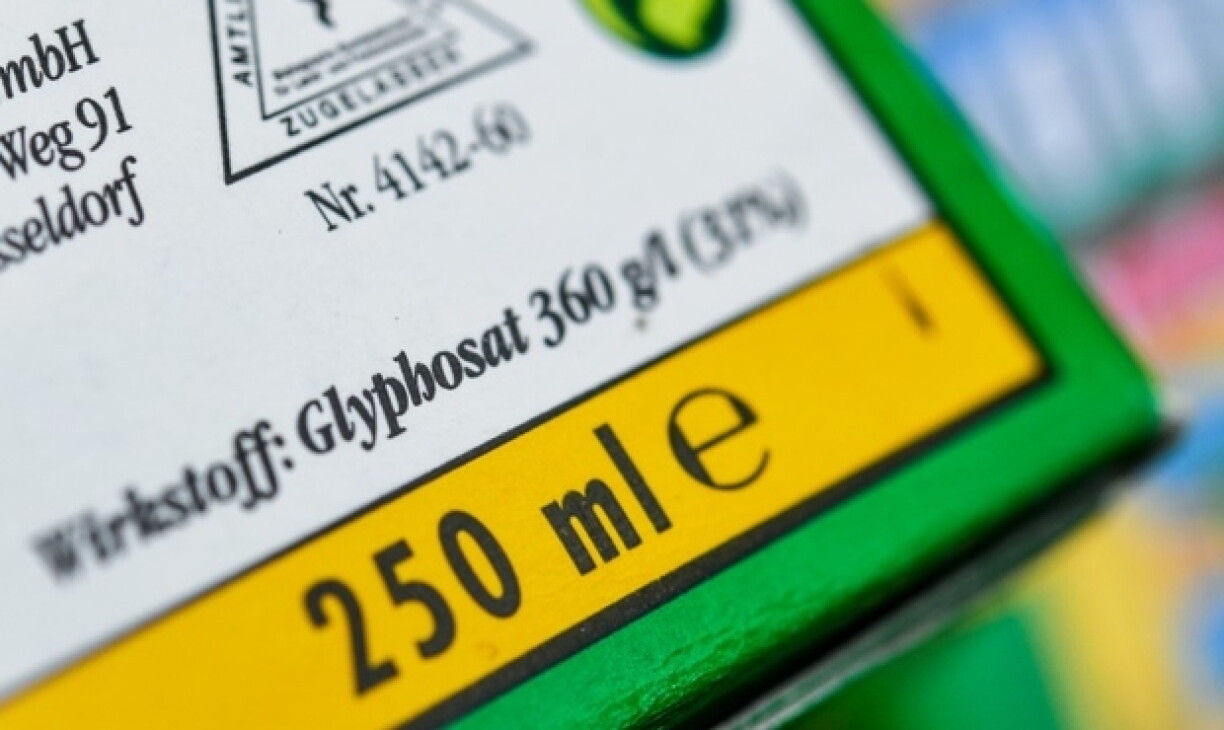
CSV MP Martine Hansen is currently dealing with a parliamentary question regarding the use of herbicide glyphosate. The government programme stipulates that the use of the herbicide in question is to be ceased by 31. December 2020, hence Hansen’s proactive question aimed towards Minister of Agriculture Romain Schneider and Minister for the Environment Carole Dieschbourg. Where do the exit strategy and affected contributors in the field currently stand?
In a collective response, both ministers point out that the exit strategy is accompanied by two so-called PEI projects, PEI here meaning ‘Partenariat européen d'innvovation’(= European partnership of innovation). The project is financed by the Ministry of Environment and carried out by LIST, the Luxembourg Institute for Science and Technology, and the Chamber of Agriculture.
In a first instance, the aim of the project is to identify and develop potential alternatives to glyphosate. Secondly, pilot projects would then test which methods could potentially reduce the overall use of herbicides.
Schneider and Dieschbourg indicate that the use of glyphosate in viticulture is already minimal and a large number of businesses have limited the treatment of weeds to mechanical methods.
Hansen also finds out that mechanical weed control and crop rotation could be amongst those natural alternatives. Machines enabling businesses to control crops mechanically are said to be available already. Both ministers specify that they are also not aware of a chemical alternative that would work the same as glyphosate.





