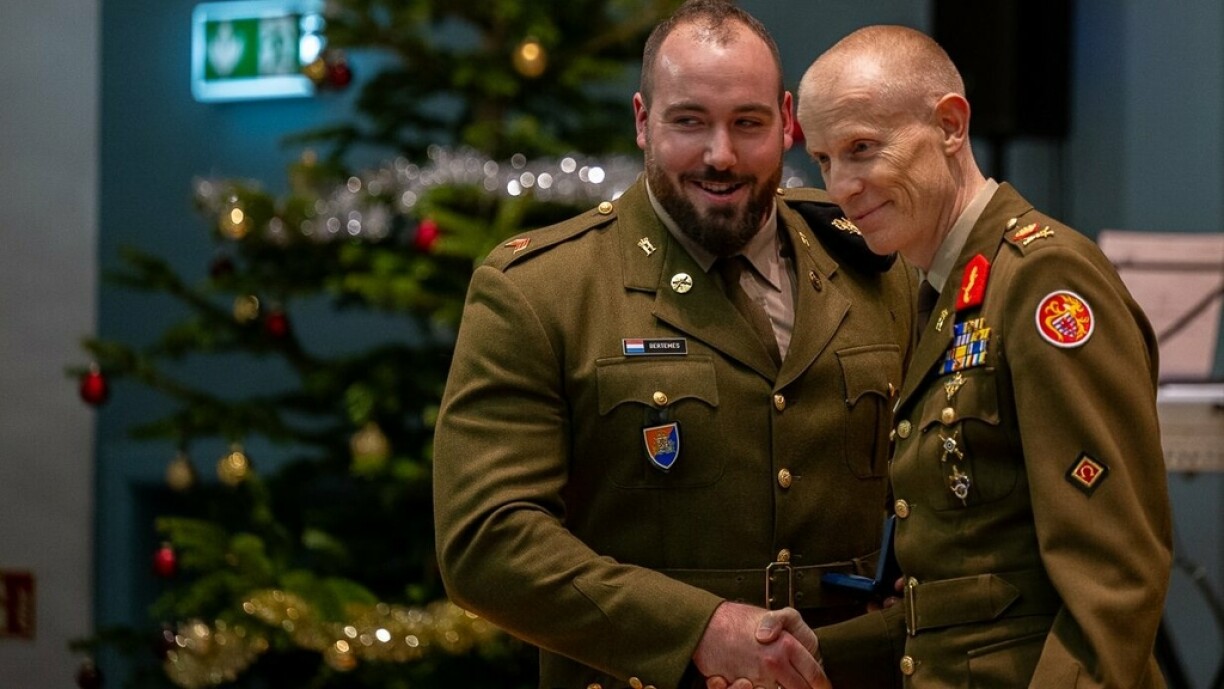
During the event in Diekirch, emphasis was placed on the evolving nature of a soldier's role, necessitating increasingly specialised training. The diversity of missions, ranging from new projects in space and the cyber realm to the consideration of a military hospital, underscores the adaptability required of Luxembourg's armed forces.
Notably, this marks the first time in Luxembourg's history that a female defence minister, Yuriko Backes, leads the military. Backes expressed her commitment to encouraging more women to join the army while acknowledging her predecessor François Bausch for his "excellent work." Recruitment efforts, she affirmed, will persist, acknowledging the formidable challenges facing the military.
Backes highlighted the unique nature of the army's service, emphasising that it provides a distinct and essential service to the country. The readiness required from soldiers extends beyond typical working hours, necessitating a level of preparedness unmatched in other state services, according to the minister.
General Steve Thull, in his address, reflected on an intense year for the army. Following Russia's aggression in the Donbass, NATO strategists shifted their perception of Russia from a partner to a potential threat, prompting a more robust deployment of NATO troops. Luxembourg, responding to NATO's directive, formed a battalion of 750 soldiers in collaboration with Belgium, leading to adjustments in the army's training cycle.
General Thull highlighted this shift as a departure from the military plans of the past, marking a recognition of the evolving geopolitical landscape.
General Thull underscored the ongoing efforts to modernise the armed forces in response to contemporary challenges, shaped by the new military law. According to Thull, aligning capabilities with NATO partners to maintain a cohesive military strategy is vital to ensure Luxembourg's active participation.
Thull stressed the significance of standing shoulder to shoulder with NATO allies, especially in light of the economic development the country has enjoyed. He highlighted the need for Luxembourg to maintain a robust military presence, reinforcing its commitment to collective defence.
Internationally, Thull linked any involvement in foreign operations directly or indirectly to Russia's aggressive behaviour. Since 1 January 2023, Luxembourg has had 40 soldiers with three tactical reconnaissance drones on standby, forming part of a 4,000-strong task force capable of swift intervention in NATO-designated zones.
Solidarity with Ukraine was repeatedly emphasised, acknowledging the real threat posed by Russia. Minister of Defence Yuriko Backes stressed this by pointing out the 30 soldiers stationed in Lithuania and Romania, contributing to collective defence and deterrence with NATO allies.
While highlighting ongoing commitments, Thull noted the conclusion of one deployment in 2023, with the return of the satellite communication system from Mali in October. This withdrawal was prompted by the Malian military junta's objection to extending the UN peacekeeping mission (Minusma), a move which, according to Thull, was influenced by Russia.
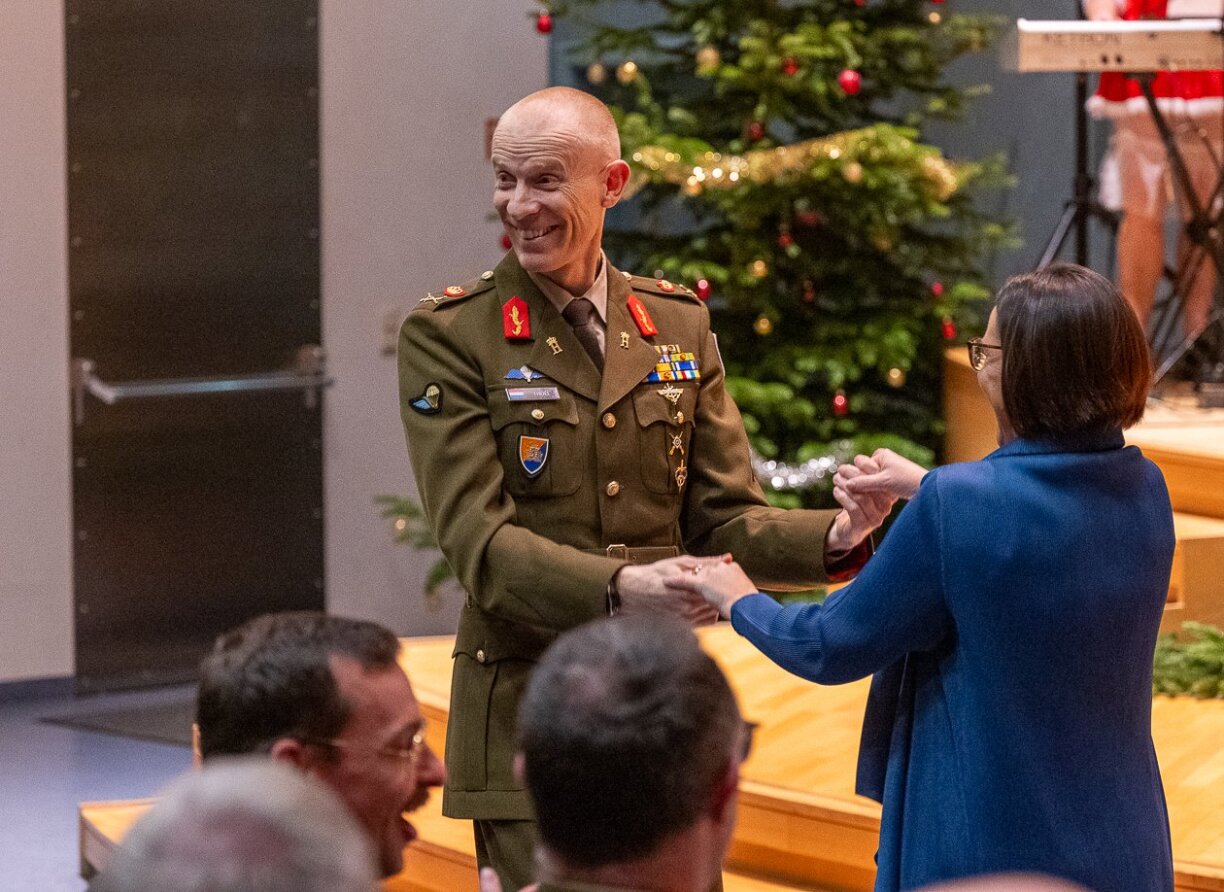
Amidst the discussions on military affairs, the festive atmosphere in Diekirch was maintained by the military music, which rather unusually also included modern songs, encouraging audience participation. Minister of Defence Yuriko Backes even joined General Steve Thull for a brief dance.
Full report by RTL Télé (in Luxembourgish)





