Paul Weimerskirch, the Christian Social People’s Party (CSV) mayor of Schifflange, will leave office on 1 August after seven years at the helm, describing his departure as bittersweet. Carlo Feiereisen of the Luxembourg Socialist Workers' Party (LSAP) will succeed him, as agreed, following the last municipal elections.
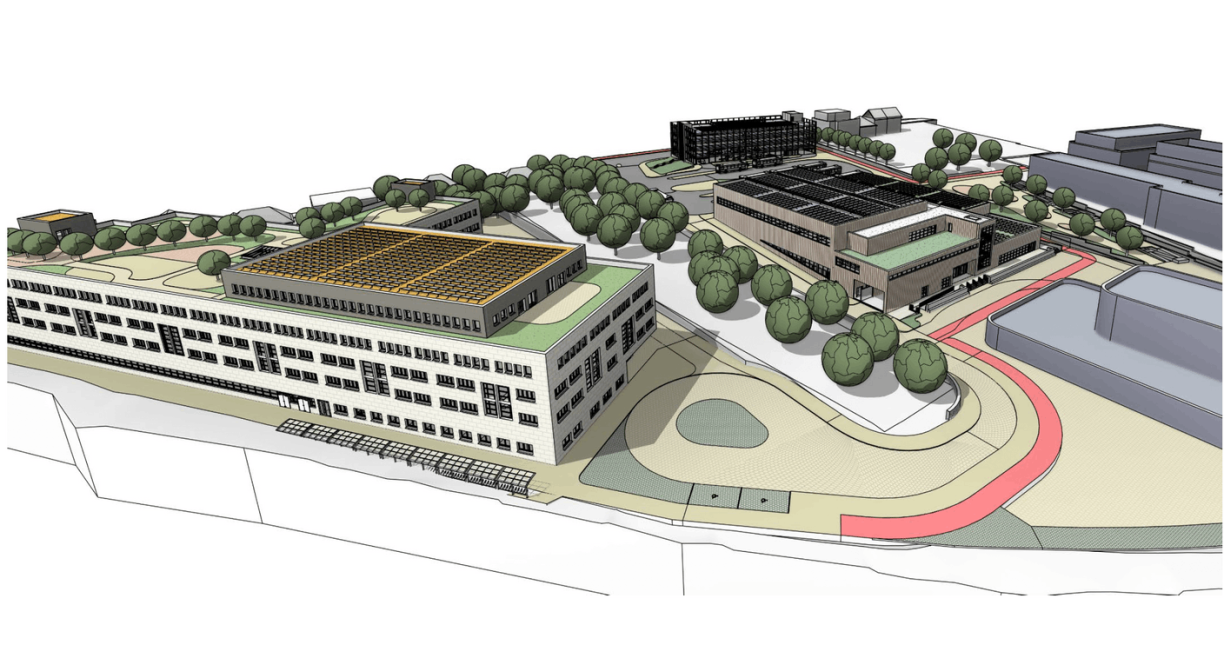
Under Weimerskirch's leadership, Schifflange has significantly expanded its educational infrastructure. A new primary school is under construction in the 'Op Hudelen' neighbourhood, while the 'Op Fléierechen' campus will soon host Luxembourg's seventh public European School. The latter project emerged organically after Ukrainian refugee children were temporarily schooled in the area, sparking discussions with the Ministry of Education.
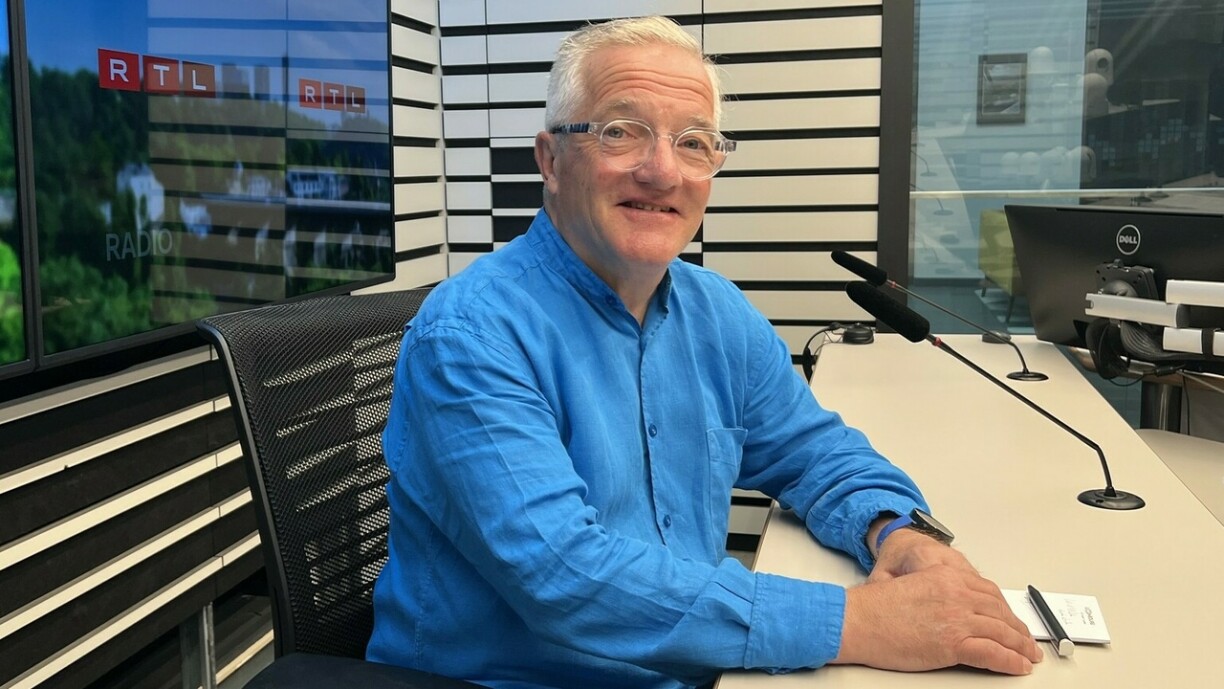
Weimerskirch emphasised the European School's alignment with Schifflange's diverse population. "The European School is a project that the municipal executive board is very keen on, because we see it as a great asset – we are a relatively multicultural community in Schifflange", he said. Weimerskirch believes that offering education in various languages, such as English or French, presents an opportunity.
The municipality also participated in the ALPHA pilot project, a French literacy programme that has helped struggling primary students improve their language skills, the mayor stressed. While some critics oppose dual-language schemes, Weimerskirch underscored their practical benefits: "The students don't learn French as such, but they learn to recognise words in French, which then helps them to better learn how to read and write languages."
The mayor acknowledged persistent shortages in drop-in centres (maisons relais), where demand far outstrips capacity. The pandemic delayed expansion plans, leaving the municipality with a waiting list of nearly 900 children – double the current enrolment of 450. No timeline has been set for adding new places.
The state's planned takeover of the TICE inter-municipal transport network has left employees and officials in limbo. Last week's announcement outlined a joint state-municipality syndicate to be established by 2027, with the state committing up to €700 million over ten years and municipalities contributing a maximum of €150 million. However, critical details – including potential job cuts – remain unclear. For Weimerskirch, the transition also raises broader questions about the future structure of municipal syndicates.
Weimerskirch reflected on what he sees as a deterioration in Luxembourg's tradition of social consensus. "We're in difficult times, and no single person holds the monopoly on truth when it comes to social issues", he observed. The mayor described the circumstances that sparked Luxembourg's largest protest in a decade as "unfortunate", while acknowledging his CSV colleague Marc Spautz's criticism of the government's handling of recent labour disputes.
See also:
New public European school to open in Schifflange in 2026





