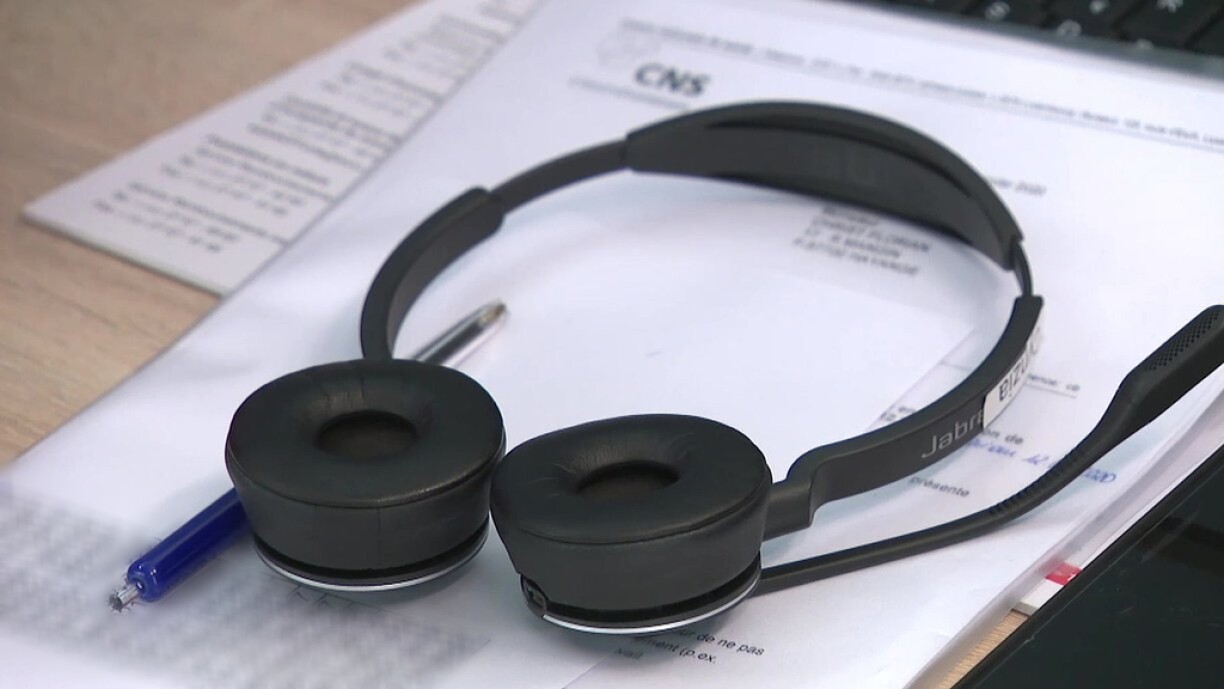
In response to these newly approved collective agreements, the Association of Doctors and Dentists (AMMD) voiced strong concerns over the CNS's decision, particularly given the fund's current financial situation.
A structural deficit was first announced in 2019, and recent projections estimate the shortfall will reach €132.6 million in 2025. In 2024, CNS leadership warned that the deficit could rise as high as €161 million. The AMMD therefore expressed surprise at the conclusion of new collective agreements in the hospital sector and suspects conflicts of interest within the health fund.
The doctors' and dentists' union also lamented that the only learnt of the new agreements through media reports. Meanwhile, expenses have risen each year without being matched by necessary revenue.
"It's surprising for us to hear CNS say there aren't any funds left and that we need to save," explains Chris Roller, president of the AMMD. "At the same time, negotiations are taking place that involve raising certain salaries and granting retroactive benefits at CNS's expense."
AMMD suspects a serious conflict of interest within the CNS administrative council. "Trade unions are negotiating with other trade unions," says Roller. "On the one hand, OGBL and LCGB are negotiating a new collective agreement with the hospital association FHL, while also sitting on the CNS board. They're essentially approving their own salary increases and benefits."
Doctors say they have long assisted the health fund in identifying potential savings, particularly in medical oversight. "When we write prescriptions – for lab work, for instance –, there are certain things that don't have to be checked in every blood test," illustrated the AMMD president. "This is partly due to the lack of a fully functioning digital medical file. With proper digital records, we could simply look up what has already been checked. The same applies to imaging – an immediate MRI isn't necessary for every single patient. Or sick notes, where we could review which pathologies justify absence from work."
General expenditures at CNS have increased over time, adding to the growing deficit. And yet, Roller laments that there haven't been any concrete steps from the health fund to reduce such administrative costs. "We would expect them to go down with the digitalisation of the health system, but that isn't the case at present. And when the quadripartite brings up CNS spending, it's treated like a secret, and minimised. That has to change."
An extraordinary general assembly of AMMD members is scheduled for this autumn to determine how the organisation will respond. With the group identifying the current political environment as responsible for the agreement, the union calls on the government to honour its coalition agreement and urgently reform both the functioning and financing of the CNS.





