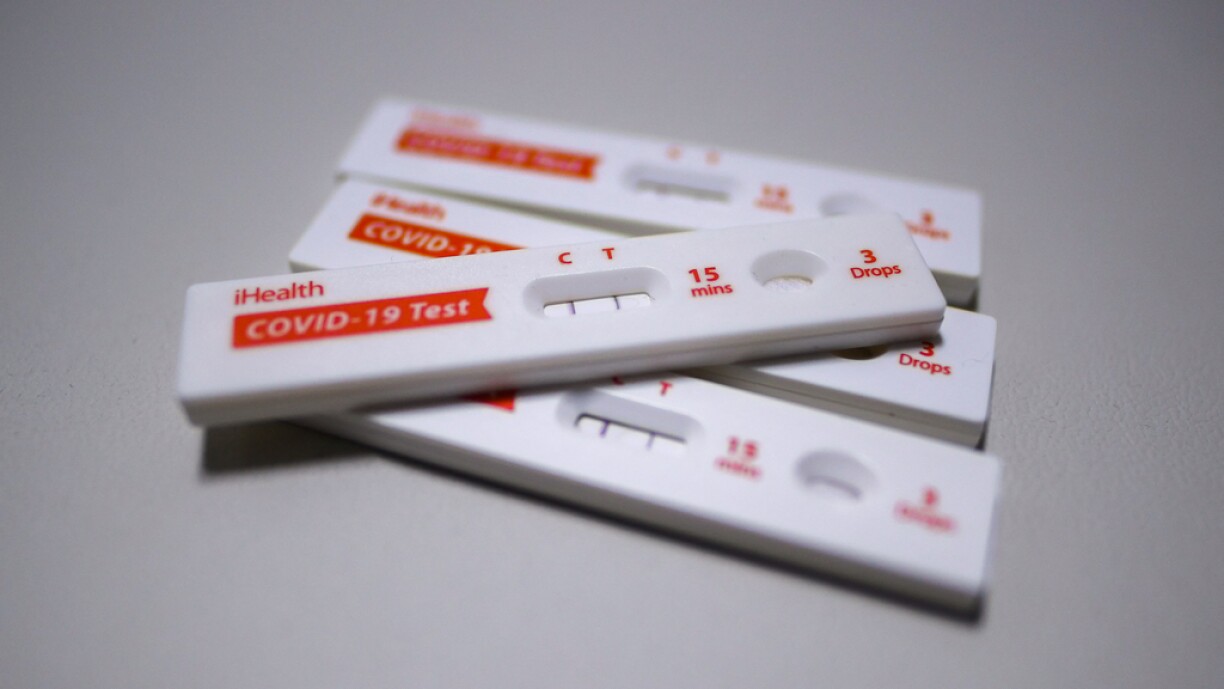
Five years after the start of the Covid-19 Pandemic, the Luxembourg government is facing headwinds over its management of public funds in the context of the large-scale testing strategy. A special report of more than 100 pages, presented to the parliamentary budget control commission on Monday, detailed financial questions that arose after an in-depth audit.
The large-scale testing strategy was spearheaded by the Covid-19 Task Force and aimed at tracing the spread of the virus in the Grand Duchy. In total, the three phases of this initiative cost around €150 million.
However, the strategy was the subject of considerable controversy from the outset, not least because of its questionable effectiveness and the high cost associated with it. In May 2021, at the request of the Alternative Democratic Reform Party (ADR), the budget control commission tasked the Luxembourg Court of Auditors to investigate the financing of these large-scale tests, at a time when criticism was beginning to emerge.
In conversation with RTL, Dr Gérard Schockmel, MP for the Democratic Party (DP) and infectious disease expert, described the large-scale test as a failure from the very beginning. He believes that the tests carried out after the first lockdown were pointless due to the limited circulation of the virus, with only around 100 positive tests from around 600,000 tests.
For his part, MP Franz Fayot of the Luxembourg Socialist Workers' Party (LSAP), who at the time oversaw both the Economy and Development Cooperation Ministries, defended the approach, stressing that the situation required swift and effective action. In his view, the errors identified by the Court of Auditors were thus mostly linked to the rapid execution of procedures.
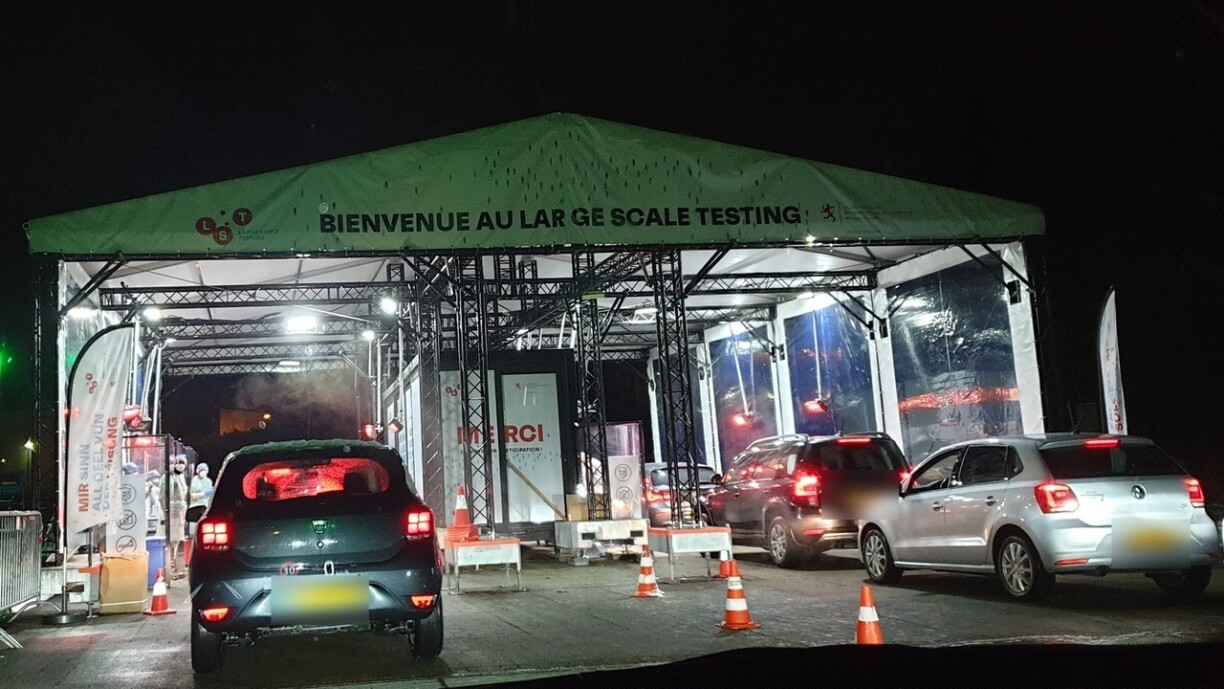
However, the Court of Auditors report does not stop at criticism of the effectiveness of the tests. It also reveals a number of shortcomings in the management of public contracts. Among the points raised is a complaint made by the Bionext laboratory in 2021, accusing the government of having awarded a contract exclusively to Laboratoires Réunis.
Another aspect raised by the report is the question of transparency in payments. The audit by KPMG, responsible for checking invoices, reportedly revealed that some invoices were withheld because of doubts about their legitimacy. Some expenses were also wrongly incurred, increasing the controversy surrounding costs.
Although Luxembourg was able to react quickly to the pandemic, the report by the Court of Auditors highlights shortcomings in the management of public funds. The lack of documentation and written procedures in several cases raises questions about the rigour of the process.
A discussion of the report is due to continue on 10 March when parliamentarians will revisit the report's conclusions and examine measures to avoid similar situations in the future.





