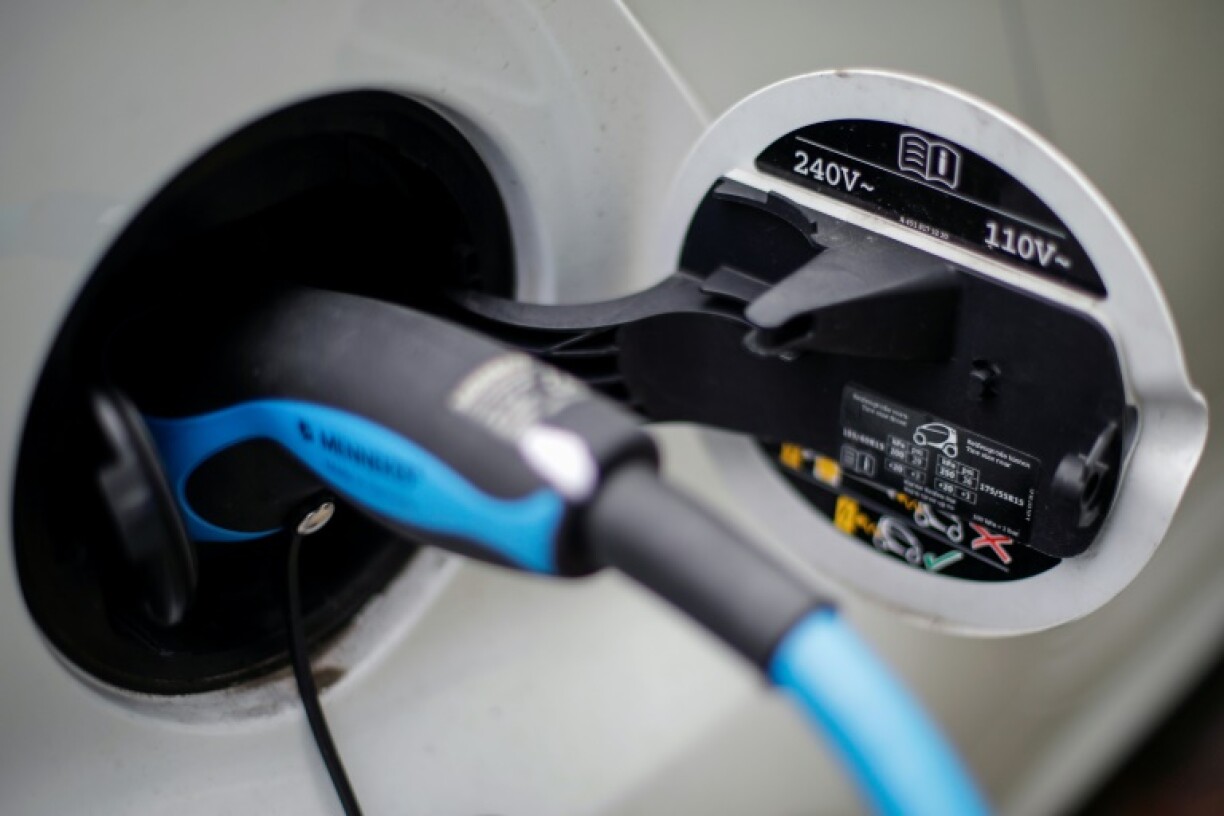
On Wednesday, discussions on adjustments to the Climate Protection Law took place in the Chamber of Deputies. Former Environment Minister Joëlle Welfring of the Green Party (Déi Gréng) criticised the abolishing of subsidies at a time when progress in electrifying the vehicle fleet remains below expectations. She further stressed that the timing of this decision sends the wrong message.
In response, Environment Minister Serge Wilmes of the Christian Social People's Party (CSV) defended the changes, noting that subsidies have been adjusted in line with market trends. He pointed out that electric vehicle prices have fallen and are expected to continue decreasing. Additionally, a social scaling system has been introduced to offer more support for smaller electric cars, he explained. A new €1,500 subsidy has also been introduced for used electric vehicles that are at least three years old, according to Wilmes.
The environmental organisation Mouvement Ecologique (Ecological Movement) has in the meantime joined the criticism of these changes, describing them as counterproductive.
Mouvement Ecologique is advocating for the continuation of the €8,000 subsidy for electric vehicles. Currently, the subsidy for electric cars with a consumption between 16 kWh/100km and 18 kWh/100km is set to be reduced to €3,000. The organisation is calling for this reduction to be capped at €6,000 instead.
Additionally, subsidies for bicycles are being partially eliminated, with only individuals receiving a cost-of-living allowance or an energy premium remaining eligible. A maximum subsidy of €1,000 will be available for cargo bikes and used cars that are at least three years old will receive a €1,500 subsidy.
According to 2022 Eurostat statistics, the transport sector is responsible for 64.5% of CO2 emissions in the country, making it the leading contributor to climate-damaging greenhouse gases. Blanche Weber, President of the Mouvement Ecologique, argues that the shift from combustion engines to electric vehicles is crucial for achieving climate goals. She believes that reducing the subsidy for mid-range electric vehicles could drive people back to combustion engine cars due to financial constraints.
The organisation thus proposes implementing a malus system to penalise high-emission vehicles, similar to the system in France. This system would impose higher registration fees on vehicles that emit high levels of CO2 or are resource-intensive to produce. Weber points out that such systems are widely accepted in Luxembourg's neighbouring country, where those who can afford high-polluting vehicles are generally able to bear the associated costs.
During a discussion in the Chamber's environment commission, The Left's (Déi Lénk) MP David Wagner inquired about the minister's stance on this proposal. Minister Wilmes deferred to the Minister of Mobility on the matter. Weber criticised the minister for not supporting climate-protective measures and for failing to explain the reasons behind the reduction of the subsidy to €3,000 or the potential repercussions of this reduction.
Welfring also expressed concern over the reduction in aid for bicycles, emphasising that while Wilmes noted the sale of 80,000 bicycles, not all are yet in use. She stressed the need for corresponding infrastructure improvements. A new subsidy for cargo bikes will be introduced in the future.
Weber further criticised the fact that the Climate Law, crucial for climate protection, was not discussed with the Climate Platform established in 2020. This platform, which includes unions, employers, municipalities, civil society, and environmental organisations, has not been consulted under the new government.





