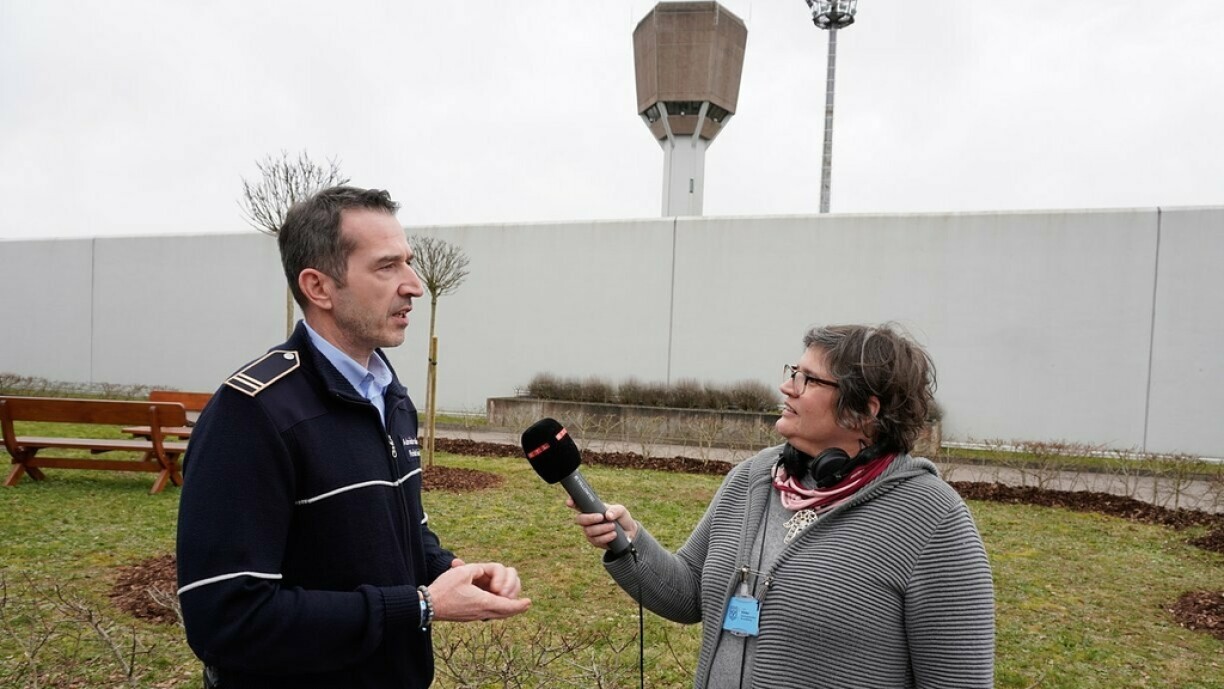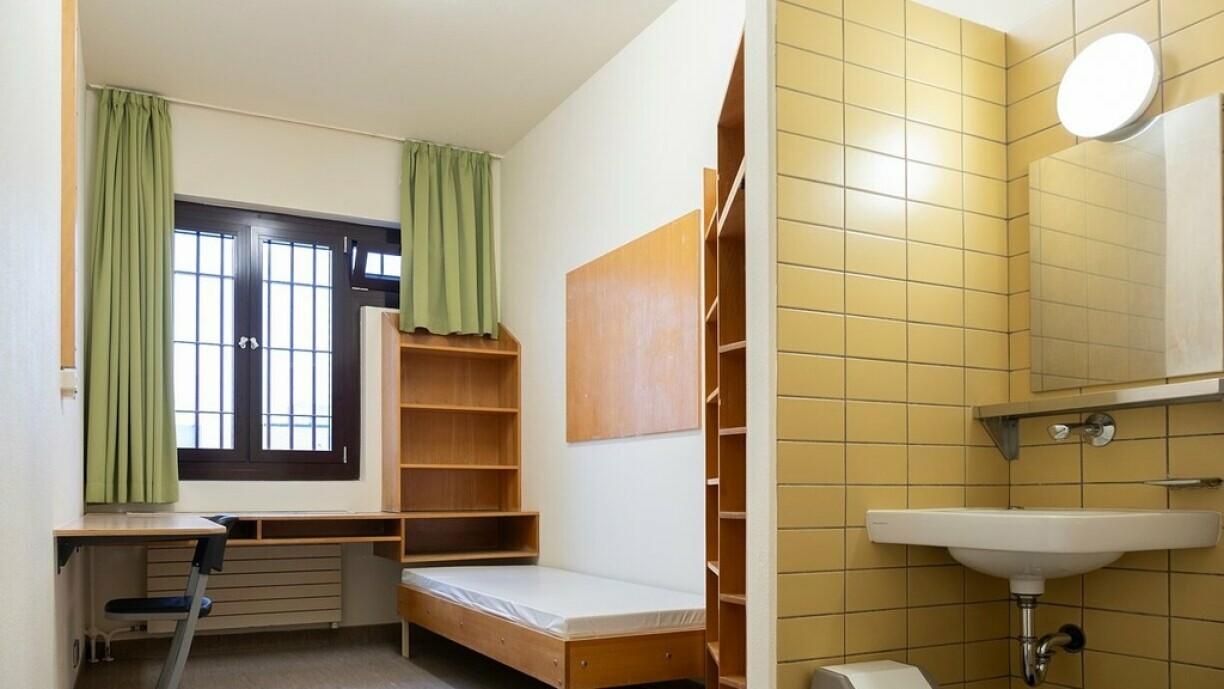
Recently, for example, the opening of the Uerschterhaff centre for preventive detention in December 2022 has significantly eased the Schrassig workload, decreasing the number of detainees to 285. The 'Delta Block', which was used as a detention centre prior to Uerschterhaff's opening, will now house offices and showers for prison staff in future.
Schrassig director Joke van der Stricht sees the latest developments as positive: "There has been a calmness in-house which we haven't had in a long time. We've been able to implement changes, detainees are calmer, the staff have their own way of working here. The work environment has changed."
Much has changed since the prison first opened in 1984, with more staff added to meet the centre's needs, as well as the addition of more specialists in medical, educational, psychiatric and psychosocial areas, in order to offer prisoners the appropriate support.
Schrassig's psychosocial and socio-educative service is run by Georges Kass. Social workers and educators help to offer psychological support, as well as preparing inmates for life after prison. Kass explains: "First of all, we look at how long an inmate has spent in prison, how much is left of their sentence. And then we make a plan with them, to see how we can help them avoid ending up in prison again once they're released."
More concretely, the service offers support in establishing a life outside of the centre, for example, helping inmates to find jobs after their release. This approach varies, depending on the prisoner's academic background. Inmates range from having no formal schooling certificates, to those with degrees. It also depends on how the detainees are able to mentally process their situation.
"No one decided they wanted to go to prison as a child," Kass says. "It can happen to anyone. We may not all be aware of how fast it can happen. We have some inmates who are repeat offenders, for whom prison may have felt like a foregone conclusion, but we also have others who ended up here after just one thing happening in their lives. Some people cope better than others."
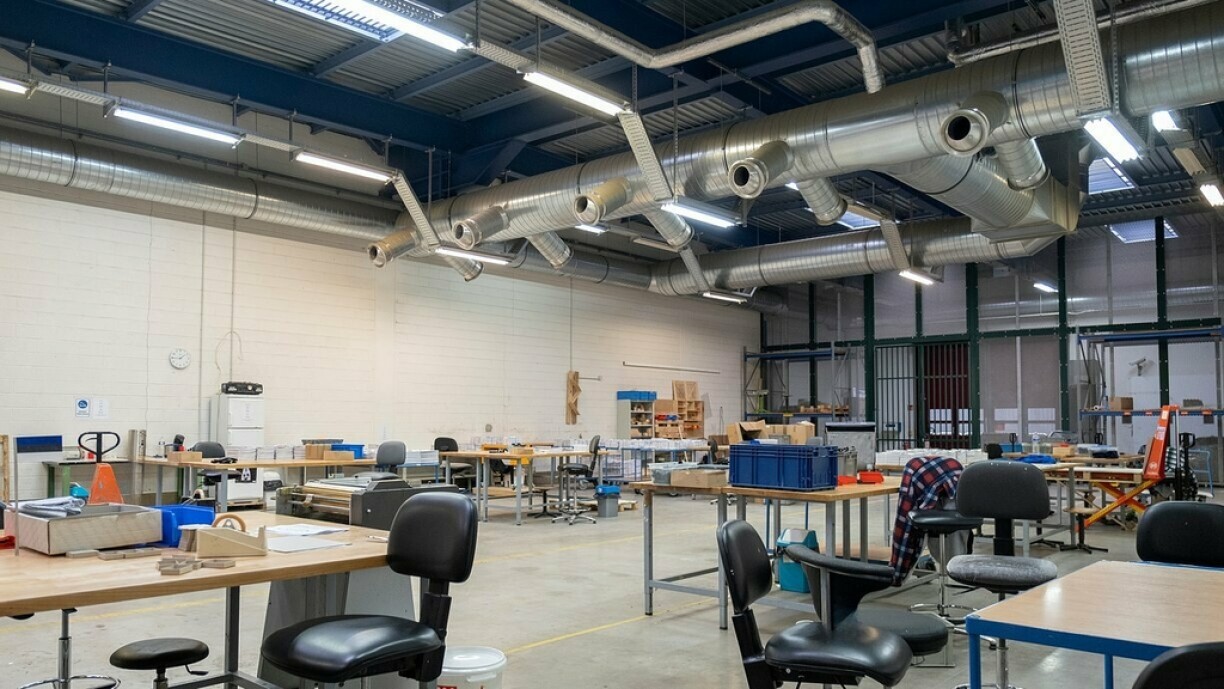
Prisoners don't just receive help to find jobs after their release; they are also given the option to work or attend professional training during their time at Schrassig. Craft workshops such as locksmithing or carpentry are on offer, as well as painting and decorating classes, or sewing or ironing. The centre has a number of workshop spaces where the inmates can produce items to be sold on.
In prison, working is mandatory in itself, but there can be exceptions, says Gilles Ecker, head of the centre's labour and training service. "The law says that convicts have to work, but it's not always the case that we have enough roles for all inmates. There's also the fact that some can be exempt due to being pensioners, or if they suffer from medical issues, for example."
Inmates' wages can increase over time and prisoners can keep the money earned even after release. In addition to the workshops and courses attended, inmates can receive certificates, which can help them with their post-release job hunt.
Currently, Schrassig prison employs 383 people, including 272 prison officers. Gary Clement is one of them.
He describes his daily role as relatively varied, as officers have different sections and services. "There are administrative positions, or positions where you have to work more closely with inmates. In the latter, you accompany an inmate through the day and help them adapt to different situations."
Prisoners are accompanied throughout their daily lives in prison, with officers taking them to internal doctors, or to work or other projects. Prison officers have to get used to working behind closed doors, but also need to fulfill other requirements, says Clement. "In my eyes, you have to be resistant to stress. We have rules, daily routines which must be adhered to, but I think it's also important to have a degree of flexibility when working with people. Not everything can be done to the letter."
Work as a prison officer is not always easy, so it's important to separate work from personal life, Clement concludes.