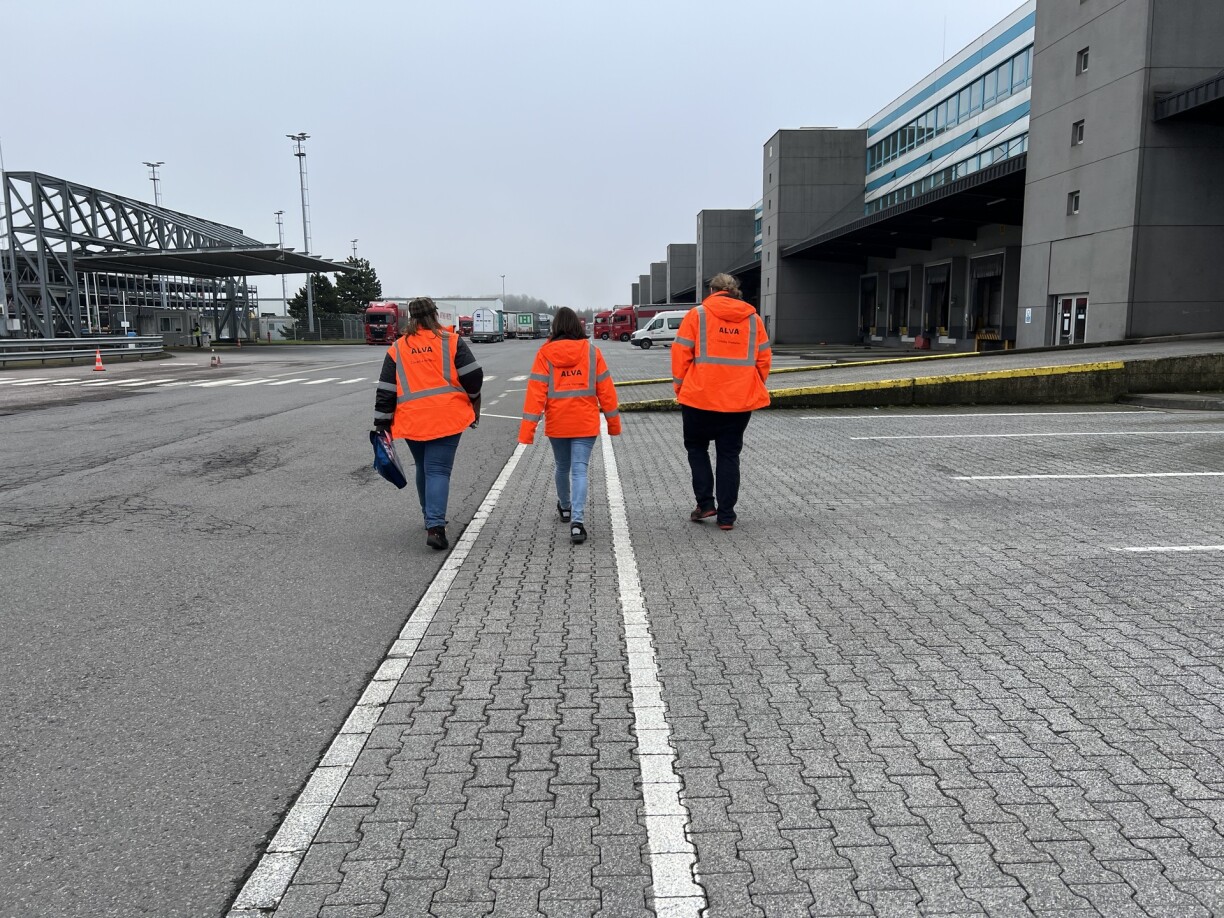
From exotic fruits to various plant species, a wide array of perishable goods finds its way into Luxembourg via air transport. However, not all imports are permitted entry for security reasons, prompting meticulous inspections by the Luxembourg Veterinary and Food Administration (ALVA) at the airport.
While perusing the fruit and vegetable aisles in local supermarkets, shoppers may overlook the fact that many of these products arrive by plane. Upon landing at Findel Airport, these goods undergo thorough scrutiny by border control authorities. Only upon receiving clearance are they released to customs for onward transportation across Europe. ALVA, in collaboration with the Administration of Technical Agricultural Services (ASTA), oversees these inspections, ensuring compliance with stringent safety standards. Our colleagues from RTL Radio were present at one of these checks.
Access to the controlled area at the Cargo Centre is restricted, requiring visitors to undergo security screenings and obtain police authorisation. Only then are visitors granted access to the premises.
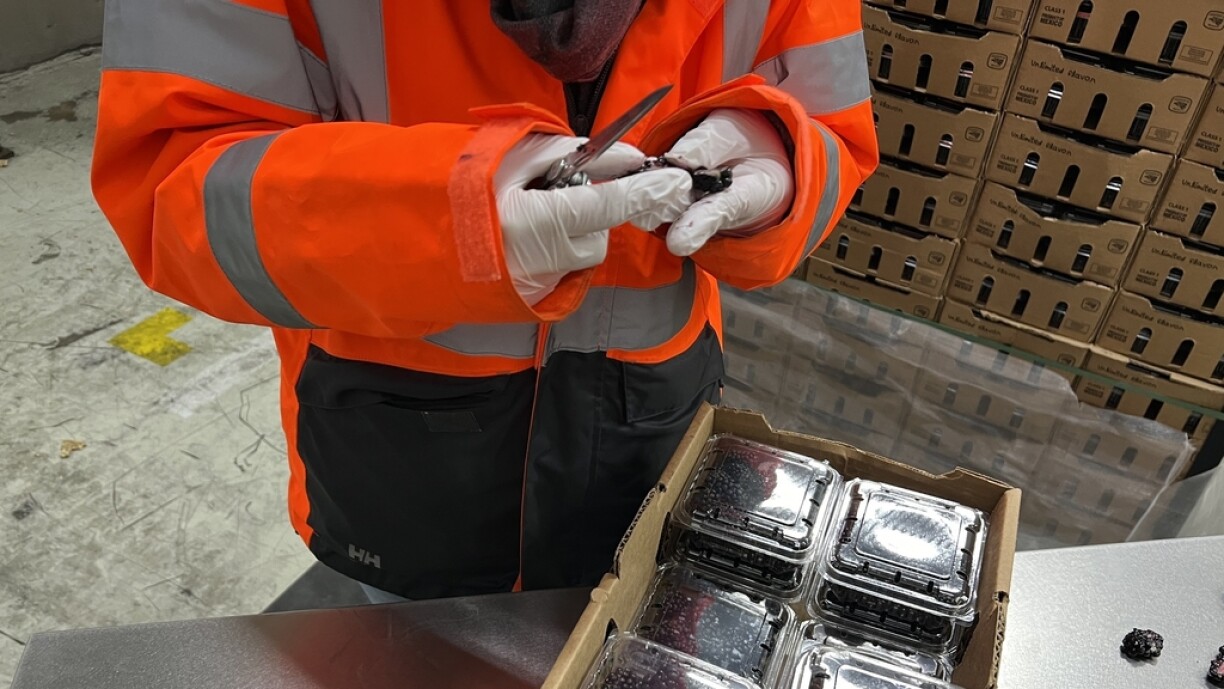
On Tuesday morning, ALVA officials Valérie Zoller and Tom Elcheroth meticulously examined four pallets of blackberries in a refrigerated room. "There could be larvae in them, for example, and these would then have to be identified," Zoller explained. Elcheroth added that samples are often sent to certified laboratories abroad for further analysis to confirm findings and ensure accurate identification, particularly when goods must be disposed of.
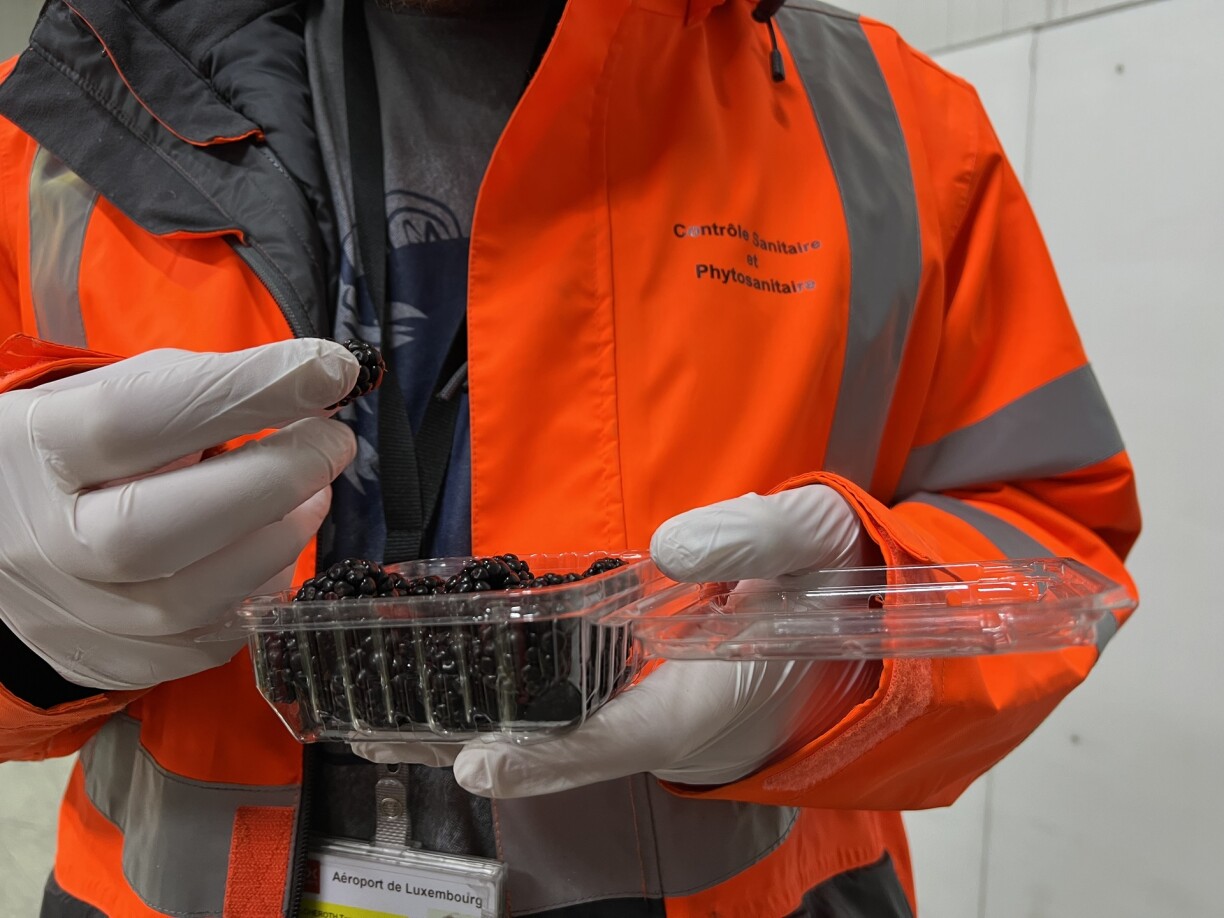
In order to be approved for such tests, a laboratory must conduct a large amount of analyses each year. In Luxembourg, the demand for such analyses would not be high enough, so authorities generally rely on neighbouring countries. Malou Grasges, Department Head of Border Control, emphasised the importance of distinguishing between insects or pests already present in Europe and those that pose a potential threat. "If they are parasites, insects, or fungi that don't exist yet, then they have to be sent back or destroyed to prevent migration into Europe," Grasges explained. Additionally, food items undergo scrutiny for pesticide residues to uphold safety standards.
The European Union sets the standards and protocols for inspections, specifying the percentage of goods to be checked based on the product and its country of origin.
In 2023 alone, the ALVA team conducted over 1,300 inspections on plants, encompassing both document reviews and physical examinations. These inspections extend to veterinary checks, covering animals and animal products. Inspectors, equipped with expertise in various fields such as veterinary science, food hygiene, botany, and plant health, undergo additional internal training to ensure comprehensive assessments.
Once fruits and vegetables undergo scrutiny, import documents are issued, facilitating clearance through customs. Only then are they authorised to proceed to their final destinations for trade. However, Luxembourg has bilateral agreements with certain countries, streamlining the customs clearance process by conducting only document checks at Findel Airport while handling the remaining procedures locally.
A significant portion, approximately 90%, of the fruits and vegetables arriving at Findel Airport are destined for international markets.