Traditionally held in September, the event aligns with the start of the school year, providing an opportunity for the trade unions to voice their demands. However, this year, the fair took place earlier, from 6 to 8 June, at the Forum Geesseknäppchen.
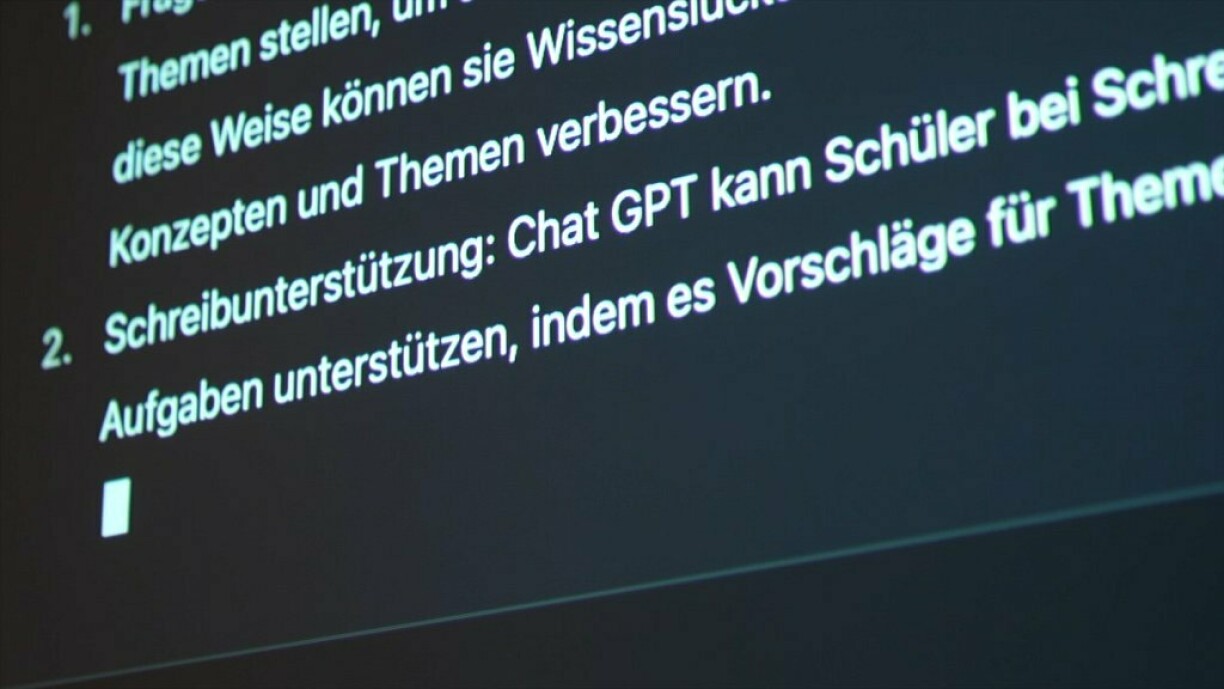
Instead of the usually more political tone, opening speeches instead focused on exploring the implications of artificial intelligence (AI) on education. SNE President Patrick Remakel highlighted the significant challenges that digital media presents to schools and teachers. While acknowledging the potential value of incorporating technologies like ChatGPT into the school environment, Remakel also emphasised the need to address the new questions arising from these advancements.
Remakel stated "artificial intelligence offers a vast array of possibilities that we could only dream of until now. However, it simultaneously presents entirely new challenges to the education system. How will schools navigate this phenomenon? Should we re-evaluate our teaching methods? What will be the impact on the teaching profession?"
Minister of Education Claude Meisch urged caution in approaching revolutions such as artificial intelligence. He stressed the importance of recognising that these advancements are neither entirely positive nor entirely negative. As schools evolve with the changing times, Meisch believes that certain fundamental aspects of education must be preserved.
According to Meisch, "what defines us as humans today is our ability to read and write. It is the foundation of how our brains function. If we were to declare that children no longer need to learn these skills because machines can perform them better, we would fundamentally alter the nature of humanity in the generations to come, which is not an appealing prospect to me."
Personally, Meisch advocated for greater emphasis on developing children's human skills to ensure their place in the digital world. He stressed the importance of nurturing creativity, critical thinking, collaboration, and communication skills, "abilities that cannot be replaced by machines."





