In the end, three children were born at Lunata in Bertrange before the ministry of health ruled that the practice was not allowed. While Lunata remains open as a midwife practice, they are currently not allowed to serve as a space to give birth - though discussions are being held to explore a legal framework that would allow for them to resume offering this service.
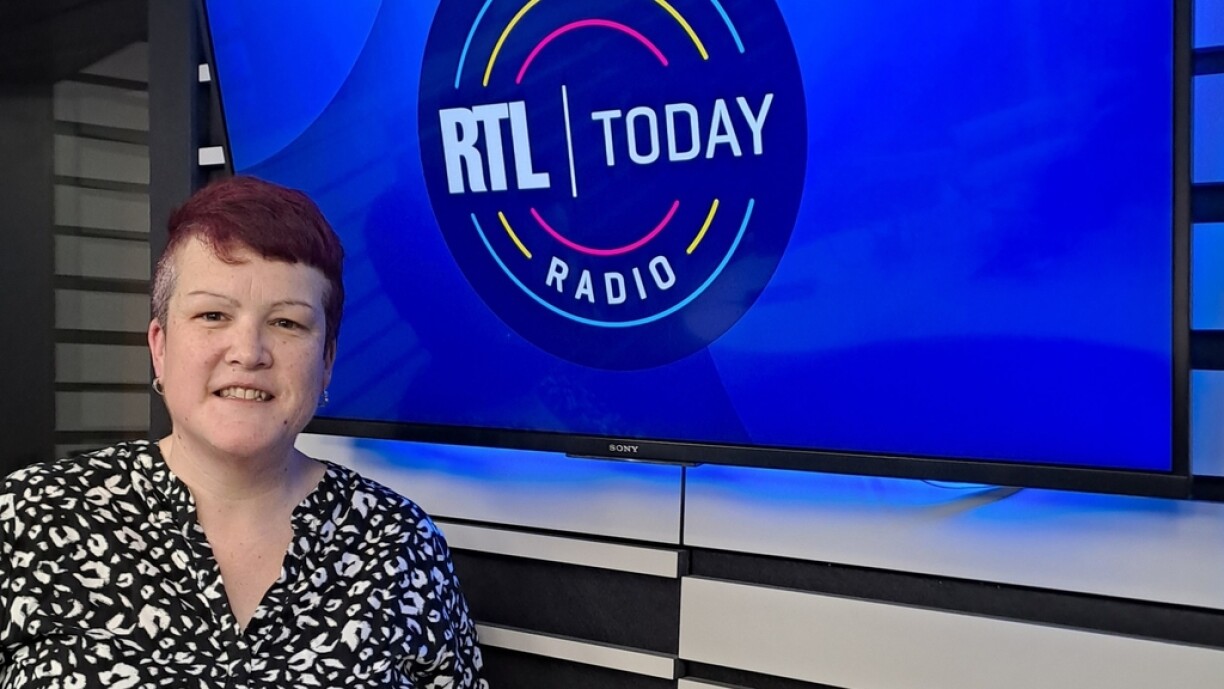
Lunata was co-founded by Anne Dahm, a midwife since 1998 who worked for CHL for 22 years and has worked as an independent midwife since 2013. Dahm was a guest on The Home Stretch with Melissa Dalton on Tuesday, and explained that they started the centre as a response to the observation that options for alternate births were very limited.
Dahm noted that there was in essence one midwife who facilitated home births, who delivered around 7-10 births per year and retired in 2021, at which point Dahm her colleagues decided to pick up the reins. They also decided to open a birthing centre in Bertrange, some 4km away from CHL, should complications arise.
But the founders soon encountered issues in that birthing centres did not exist in Luxembourg, which means they had do the groundwork of setting guidelines for who could qualify for home births - for instance the pregnancy has to be at least in its 37th week, the echography has to show that everything is within the normal healthy range.
Still, the centre received a decision just at the end of 2022 declaring that they were not allowed to deliver babies at the centre.
Listen to the full interview here
Dahm noted in the interview that they do not seek to denormalise giving birth in a hospital, but rather to provide an option for those who seek it and who may be more comfortable outside of a hospital setting. And indeed, the demand at present is quite limited; out of some 7,000 births every year, only 29 babies were born out of hospital in 2022, said Dahm.
Answering why someone might prefer an out of hospital birth, Dahm said there are many and varied reasons. "Some of them don't see the pregnancy and birth as something ... they don't feel sick, and they think of hospitals as where they go when sick," for one.
But of real importance is also the connection with their midwife, "when you have a home delivery, you know already the midwife before, and you know the midwife that will be there for your birth - and you have another relationship with this midwife ... if you deliver in the hospital, sometimes there are more women delivering together, and you don't have so many midwives working ... you are more alone."
Dahm also notes that she often does pre- and post-natal visits with women who deliver at hospitals, and they often express surprise that she will not be the midwife at their side during the birth itself. Having the same midwife throughout the journey allows you to build a connection, to build trust, she notes.
While not allowed to carry out births for the time being, Dahm was keen to clear up confusion around the status of the centre. It is not closed, and still delivers other midwife services, both pre- and post-natal. Their aim is to help ensure that women are as prepared as possible throughout and following their pregnancy, and their services also include for instance physiotherapy, massage, and psychotherapy related to pregnancy.
In terms of the future of the centre, Dahm says we that "we need women to get stronger ... and speak about the possibility of giving birth somewhere else, and also maybe write a letter on an e-mail to the health ministry to tell them: why is this not a possibility in Luxembourg? It is a fundamental right to choose where you can deliver, with who you can deliver."
Listen to more interviews like this on RTL Today Radio.





