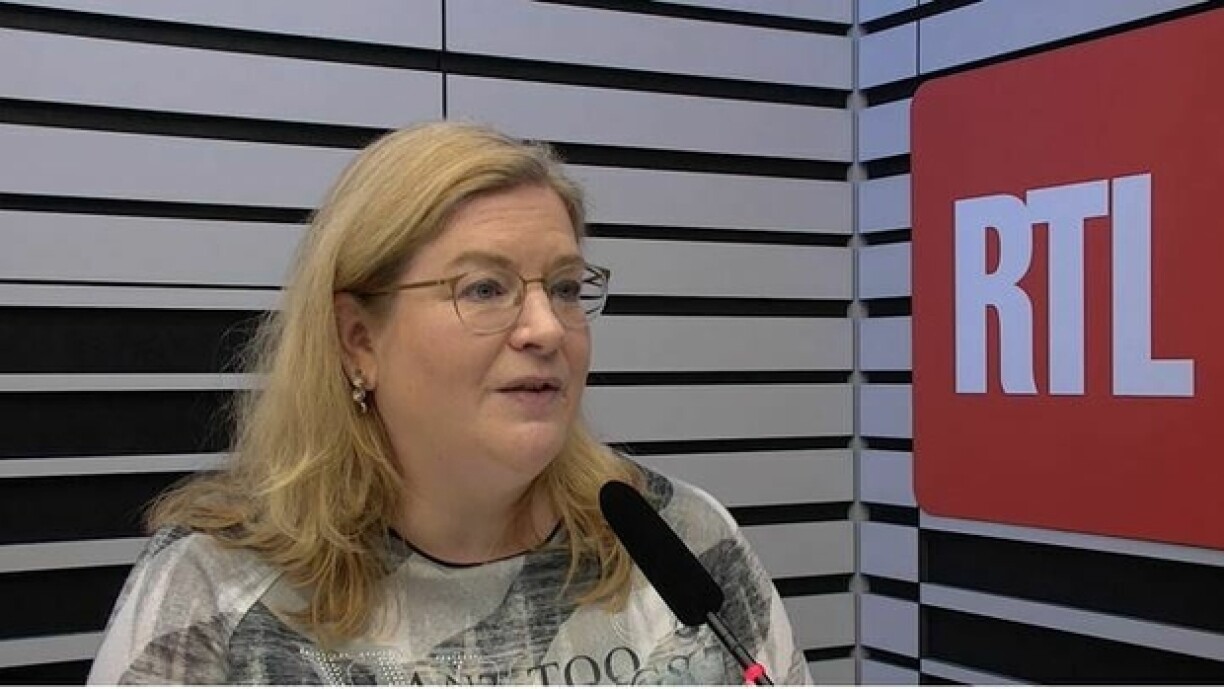
Abrigado, an institution which provides support for those suffering from drug addiction in Luxembourg, offers both shelter and a panoply of methods to help people with serious drug issues. Manager Claudia Allar spoke to RTL about the importance of publicising drug assistance services, in order to seek acceptance among the rest of the population.
When the Covid pandemic was declared, the rapid closure of borders meant the number of narcotics available on the Luxembourgish market dropped significantly, leaving many addicts in precarious situations. In addition, many shelters closed for fear of spreading the virus, which left people without food.
Allar said the response was quick: a substitution programme was put in place and support became available for those at risk of starvation. She said she hopes that the political response will remain as strong and supportive as it was during the time of crisis sparked by the pandemic. Many projects were greenlit and put into practice quickly and in a targeted manner - something she hopes will outlast the pandemic, as the issues championed by the Abrigado association are no less important without the threat of the virus.
Abrigado aims to achieve transparency about the way it operates, Allar said, which helps when communicating with political leaders. Nurses at the night shelter suggested offering substitution medication on the premises, so that people staying at the shelter could start their day on medication. This measure was quickly implemented.
Allar shared plans to create a new female-only shelter, saying it was important to create a safe space, although the Abrigado premises and night shelter are currently frequented by men more than women. Whilst the project is still in the early stages, Allar was unable to disclose more details, but reiterated that it was essential to provide support to women with addiction problems, who may be vulnerable to violence otherwise.
Authorities have noted that violence and addiction often correlate, but at present there are too few emergency structures in Luxembourg to welcome women struggling with addiction. The new shelter would centralise a number of services aiming to support women, offering a place to welcome and supervise vulnerable addicts.
The people who seek help from Abrigado’s services in the capital have often been using drugs for many years and have thus slipped through the cracks in society, said Allar. This was frequently the case not only in Luxembourg but also in other international cities, where such cases are unable to be recovered by regular social services. The first step is to stabilise these people with individually tailored solutions. Allar argued it was vital not to leave addicts to fend for themselves, and underlined the importance of publicising suitable programmes in terms of employment and housing.
Allar said there should be both employment and housing opportunities at a regional level in order to extract addicts from the capital’s “drug scene”, helping them to adapt in a familiar and structured environment away from the city.
However, the population should not be concerned about Abrigado spaces for drug consumption popping up across the country, Allar added. She said it was not necessary to build further consumption spaces, but instead authorities at a regional level should work with people who are more or less stable in terms of their addiction. Prevention and follow-up would both be easier and more successful on a smaller scale, she argued.
Drug use is inherent in every society, Allar concluded, as is evidenced by the country’s sewage analysis. The question is merely how to deal with it.





