On Thursday, Minister of Education Claude Meisch officially presented the project. Meisch stressed there will be a transitional period and that the goal is not "to teach a second class".
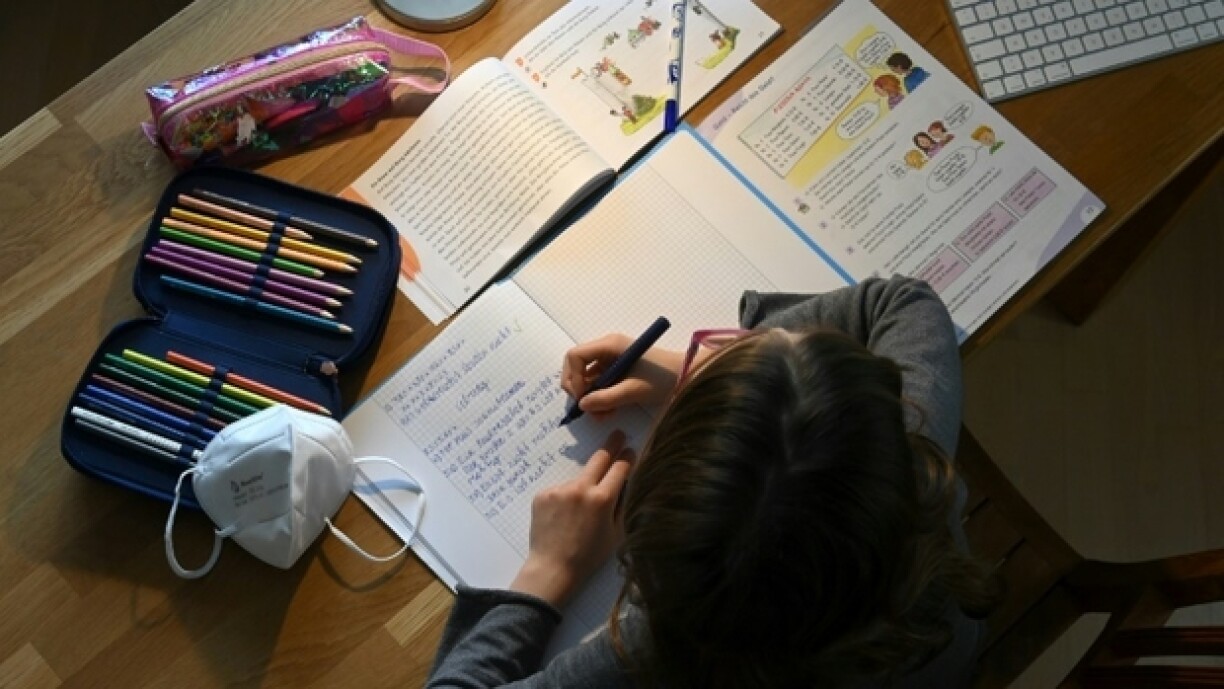
The Minister highlighted the importance of creating a "favourable environment" that is calm and where children receive the support they require. If that sort of environment is not available to children at home, then they will soon be able to find it at the country's drop-in centres (maison-relais). The educators working at the drop-in centres will also be the ones to assist the children.
Meisch specified that educators are not meant to complete students' schoolwork alongside or on behalf of the students, and they will "certainly not" correct it afterward. Instead, educators will make sure that students have all of their necessary school supplies, help students understand instructions when necessary, and ensure that students have completed all of their homework by the end of the day.
The Minister made it clear that the goal is not "teach a class again". The homework assistance sessions are thus not to be confused with tutoring lessons. Educators may clarify instructions, but they are not meant to help with answers. The offer will also be available to children who are not enrolled in a drop-in centre. According to Meisch, communication between the different actors is key, which is why it will take place via an electronic homework diary.
This e-diary will enable teachers, parents, and, where applicable, educators to communicate "in real time," Meisch explained.
The Minister announced that staff members will take part in further training, and the Ministry will review the situation to see whether more people need to be hired. When asked whether drop-in centres and educators are ready to take on this new task in autumn, Meisch replied that there will be a transitional phase at first.
The Minister acknowledged that "some" drop-in centres still have a way to go before they are "actually ready". Meisch added that it is also difficult to predict the level of demand.
The Minister neither expects that "demand will skyrocket," nor that the project will be "a huge matter of expense" for the state.





