This amounts to 84 euros a month for salaries under 44,000 euros gross, 76 euros for those earning 66,000 euros gross, and slowly reducing to 0 up to the threshold of 100,000 euros,
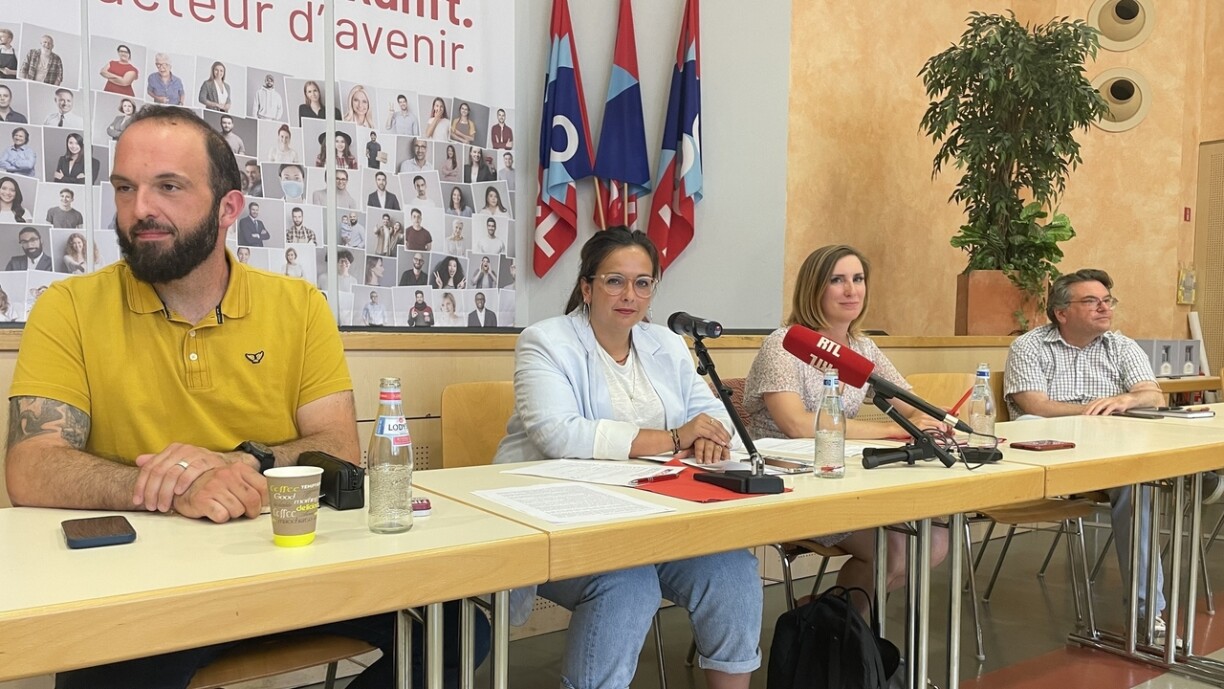
The OGBL is clear: this tax credit is not a compensation for the increased cost of living. At a press conference on Tuesday, the union repeated the calculations of the Chambre des Salariés showing that people with low incomes working shifts or weekends, for instance, are still losing money, depending on their tax class. According to them, the Statec's calculations are too simplified and do not take into account all the various income scenarios. Furthermore, the government's claim that low incomes were overcompensated was not always correct, said the union.
OGBL President Nora Back maintains that the measures decided at the last tripartite were a big mistake. The union hopes that the government will recognize and rectify this at the next tripartite, when the next indexation would have been due. Struggling businesses need assistance, but above all, people especially affected by inflation must be helped, said Nora Back. It would be wrong, however, to assist all businesses across the board, at a time when the economy is growing and unemployment is low.
Manipulating the indexation also has a negative impact on negotiations of collective agreements, as illustrated by the CEBI example. Personnel delegations are forced to fight for compensation of the missing indexation before anything else, while employers can misuse the tax credits as an argument against sharing profits with employees.
The OGBL also repeated its demands regarding taxation, especially regarding pegging taxation scales to inflation and a higher taxation of capital. They expressed hope that the government might still take additional measures to help workers. even though it wasn't currently looking likely, with elections looming in just over a year.





