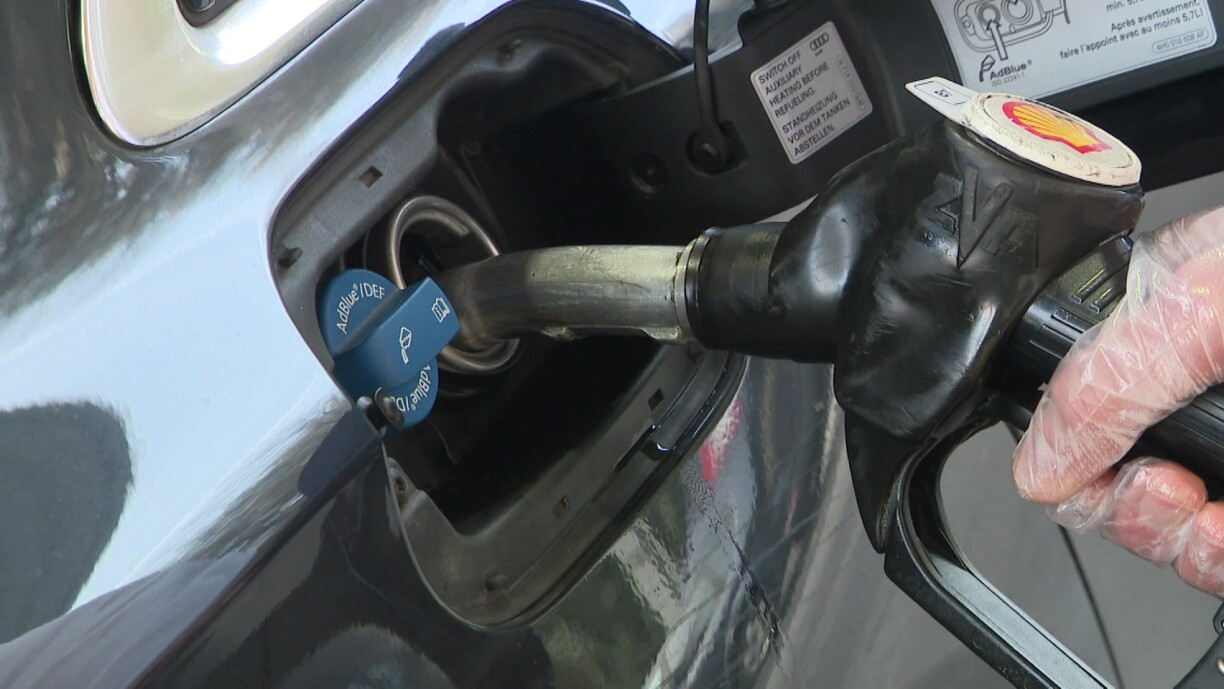
The stark increase in prices is a direct consequence of the Russian invasion of Ukraine.
RTL Radio's Dany Rasqué looked at the reasons behind the increase, as well as what the future may hold.
Jean-Marc Zahlen, of the Groupement Pétrolier Luxembourgeois, Luxembourg's fuel supplier association, explained the global market had been under extreme pressure as a result of the Covid-19 pandemic. The war in Ukraine had exacerbated the situation, making it difficult for experts in the field to predict the outcome.
The situation does not make for a positive outlook, as prices could continue to climb. The increase in prices depends on the decisions made by European governments, the leaders of whom are set to meet on Friday in Versailles.
Luxembourg's energy minister Claude Turmes said there had been demands to terminate all gas and petrol contracts with Russia, which would push prices up even further. As a result, he said he expected many European countries to assume that position, but not until next winter. There is no sense in deciding measures straight away while under extreme pressure in terms of prices, he added.
The largest positive impact on prices would take place if global production rose - a decision which needs to be made by OPEC countries, according to Zahlen, who added that the petroleum exporting countries were the main driver behind this. The US could also take action to boost production, which would in turn bring prices down.
However, it is not certain whether this will take place. Zahlen warned against pinning all hopes on OPEC, as countries such as Saudi Arabia, United Arab Emirates and Russia agreed last week that they would not be adding more to the global market, as they were profiting from the current circumstances.
Consumers are not just paying the price for petrol at the pump - the price per litre also encompasses excise duties, VAT and CO2 taxes. When asked if the government would consider dropping taxes, Turmes declined to say if it was likely. He explained the 75 million euro package had already been agreed, and added that the government was in discussion with Statec to determine the impact on Luxembourgish society.
Reducing taxes would also have only a limited impact, said Jean-Marc Zahlen. He explained that the European framework requires a minimum of taxes on petroleum products, and therefore, a global response must be found for this global crisis.





