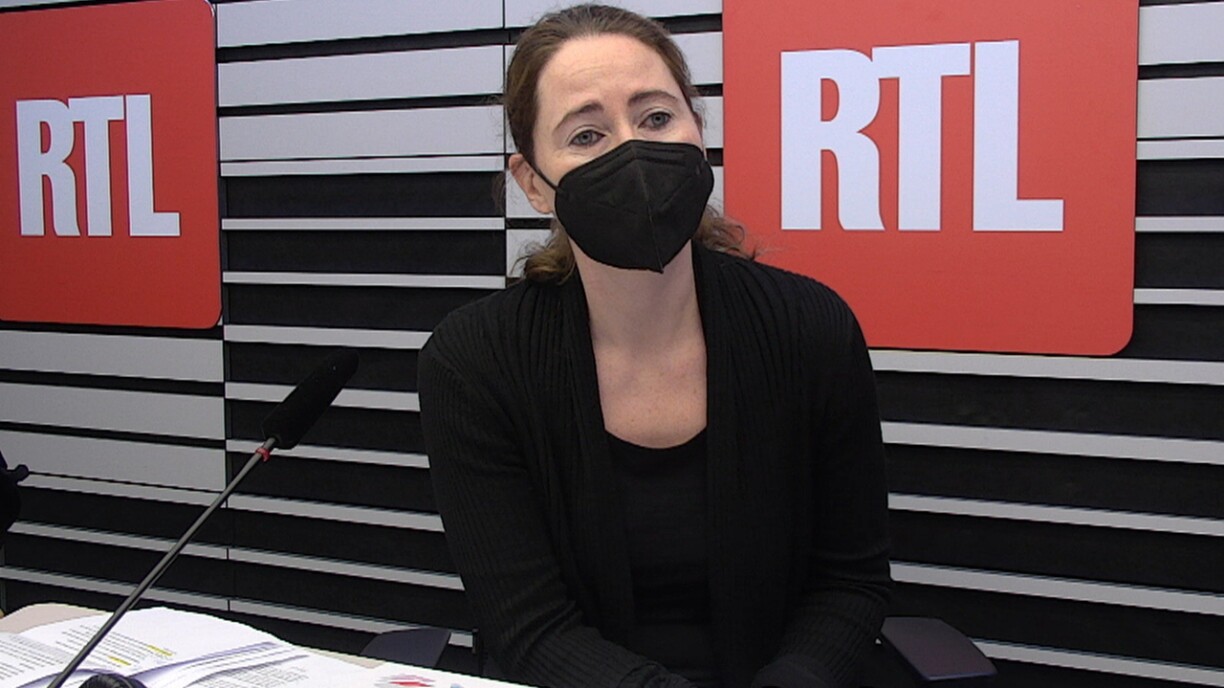
The younger generations have grown up with the digital world. It is important not to demonise internet usage but to recognise its potential and raise awareness of the risks, according to Debora Plein, Bee Secure coordinator at the SNJ.
'Bee Secure' is an initiative launched by the Luxembourg government and coordinated by the SNJ. It works alongside the police and the public prosecutor's office, and its missions include promoting a safe, responsible, and positive usage of the internet.
In order to find out how children and adolescents use the different technologies available to them, the SNJ published the very first 'Bee Secure Radar' report this week. The report covers the latest trends in internet usage among children and adolescents.
Young people name misinformation, content related to violence and hate, and cyberbullying as the most prevalent dangers on the internet. The survey targeted young people between the ages of 17 and 30. On the other hand, the report also revealed that if parents are asked to name the biggest risk for their children, the most common reply is the time children spend in front of screens. Plein stated that Bee Secure has been aware for quite some time that children and adults have very different views of the internet.
According to Plein, part of the reason for this is that children and adolescents place a greater value on the content while parents often merely know that their child is spending time in front of a screen without necessarily knowing what they are doing. While privacy is also important in the digital world, Plein said, trust is just as important, and children should know who to talk to when they encounter problems on the internet. Bee Secure themselves, for instance, have a helpline that deals with these types of issues.
The report also revealed that more and more children in primary school have their own mobile phones. Once children reach the age of 12 or 13, they practically all have a smartphone, according to Plein.
TikTok, Snapchat, and YouTube are the most popular apps among young people, with parents often not being aware of TikTok in particular. Plein stressed that these apps also offer "chances and opportunities" to young people, if used responsibly.
When it comes to the positive aspects of these apps, Plein explained that what most young people are looking for on the internet is contact with peers, learning new things about the world, and discovering different types of content. Children and adolescents are also regularly looking for role models, which is why influencers are so popular, Plein stated. Because they are individuals younger people look up to, influencers can have an incredibly positive impact, she added.
Many of these apps are also age restricted. For example, users must be at least 13 years old to create an account on TikTok, Snapchat, or Instagram. However, Plein acknowledged that parents are often unable to prevent their children from using specific apps at an earlier age. When this happens, Plein explained, it is important that parents don't dismiss their children's interest but try and understand why the children want to use these apps. Essentially, Plein concluded, children and adolescents want to participate in the digital world as well and they will often orient themselves after their parents' own usage of the internet. As such, if parents are often on their smartphones without talking about what they are doing, they should not be surprised if children imitate that behaviour, Plein stated.
Link: Bee Secure Helpline
Link: Aktivitéiten am Kader vum Safer Internet Day
Link: Expertentrio für Eltern
Link: DigiRallye Wanter Edition





