Despite the fact that the general infection prevalence of Covid-19 seems to be on the decline, researchers are convinced that the disease will continue affecting humankind for the foreseeable future. Researchers around the world thus continue to study the virus and the effect it has on our species.
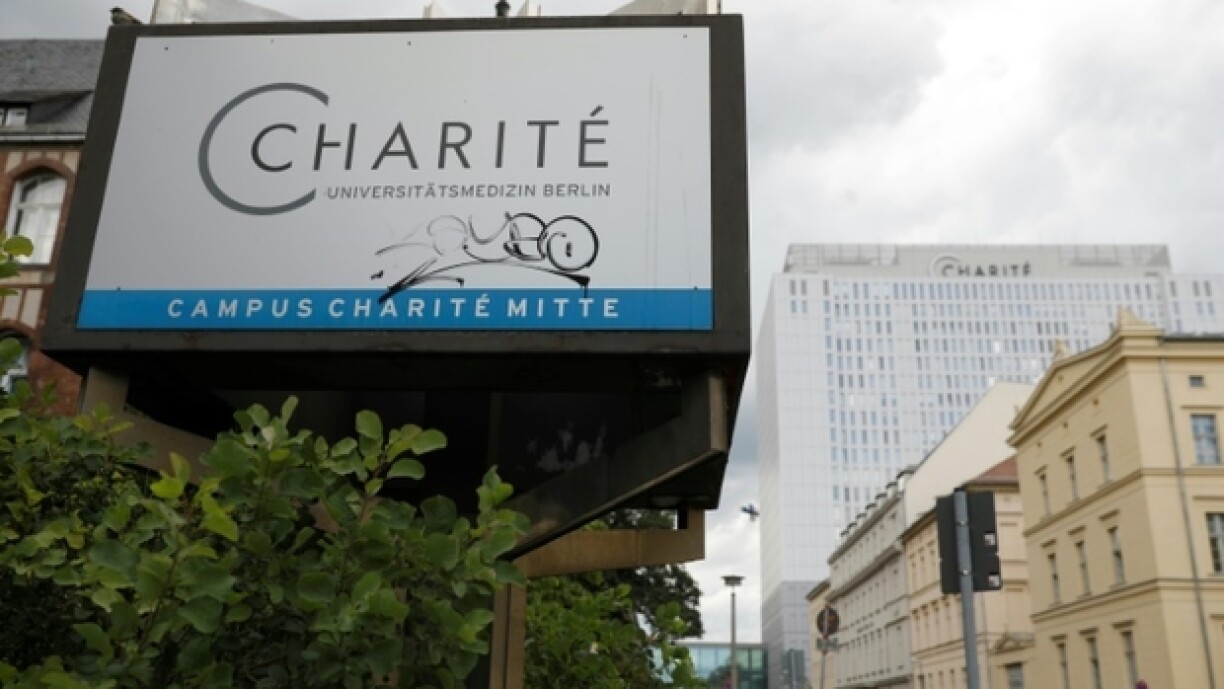
Muscle aches are one of the symptoms associated with a positive Covid-19 infection. These can range from feelings of weakness to extreme pain, similar to those associated with influenzas. Researchers at the Berlin Charité have now for a first time conducted a large-scale autopsy of deceased Covid patients to study the effects on human muscles.
They found that there were almost no traces of the virus found in damaged muscles. On the contrary: muscular issues increased over time following a recovery from Covid-19. Neurologist Tom Aschman commented on the results: "Evidence strongly indicates that it is in fact not the virus causing the problems, but rather our immune systems that are still struggling even after a recovery."
Dr Aschman's paper was published by the renowned journal Jama Neurology and already drew some attention from the scientific community. The study helps classify the symptoms related to Covid-19 infections and thus seeks to find more adequate treatments. Dr Aschman noted: "There are still only a few anti-viral therapies. We have a lot of antibiotics for bacteria, but not for viruses. Nevertheless, if most of the problems can be linked to an overactive immune system, we see that as a positive development, as that gives us much more room to act."
Dr Aschman is already working on his next study: the repercussions of Covid-19 on the brain. Although he was not able to convey too many details at this stage, he explained that it is clear the virus affects a range of human organs once the body has been infected.
The full study by Dr Aschman and his colleagues can be accessed via this link.





