One of Braz' arguments is that he was not able to sign his own resignation.
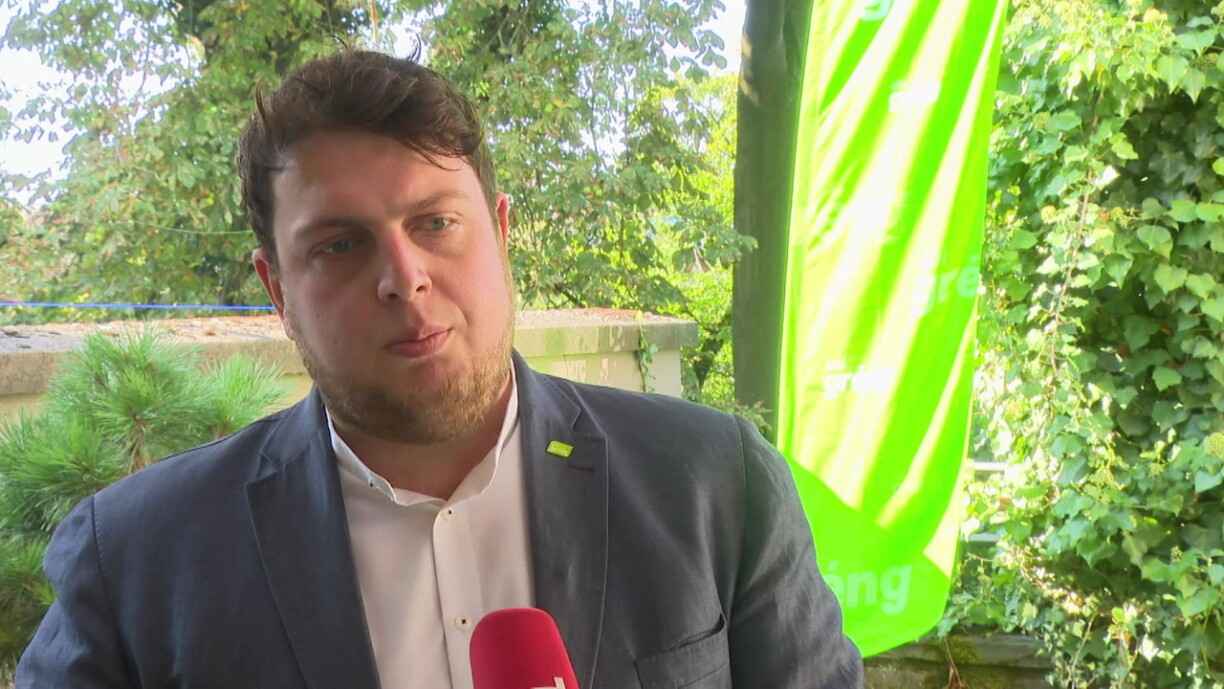
One of the co-presidents of the Green Party (Déi Gréng), Meris Sehovic, stated that both he personally and the party have a lot of understanding for the difficult situation Braz and his family find themselves in, adding that the former Minister is "well within his rights" to appeal the decision. However, Sehovic also stated that Green Party members feel personally hurt by the accusation that they had displayed a lack of solidarity. On RTL Télé, Braz' lawyer, Jean-Marie Bauler, had indeed stated that the party had "rushed" the politician's resignation. One month after Bratz had suffered a heart attack, the Green Party announced a reorganisation of government positions and thus paved the way for what Bauler calls Braz' "forced or involuntary resignation".
Sehovic argued that it is important to consider the context at the time. Between August and September 2019, the Green Party was "in a difficult situation", with Sehovic stating that the party had to decide between the well-being of their "friend Félix" and the responsibility they had for the country and its residents. Luxembourg needed a functioning government and after the incident, Braz was simply unable to fulfil his mandate as Deputy Prime Minister and Minister of Justice, Sehovic explained. In addition, it was difficult to predict whether Braz' situation would improve any time soon. The party was thus forced to take "a difficult decision" that was nevertheless "in the interest of the country", Sehovic stated.
Sehovic added that he still hopes to stay in touch with Braz, as he will remain a cherished party colleague and has done a lot both for the Green Party and for the country.
Deputy Prime Minister François Bausch, also from the Green Party, declined to comment on the situation. The Ministry of State also explained that they could not react to the situation, as it is the subject of an ongoing lawsuit.
Illegal and discriminatory compensation?
Braz' other appeal goes against the civil servants' human resources centre and is concerned with a supposed illegal and discriminatory compensation of the former deputy PM. Sehovic stated that all he could say regarding this topic is that the compensation of a minister who hands in their resignation is subject to clear regulations.
According to the Ministry of the Civil Service, Braz continued to receive his salary as minister for the first three months following the incident, but without the expense allowance. Instead of a gross salary of €24,000 per month, he received around €16,000.
Braz then received a so-called "waiting salary" (traitement d'attente, a type of redundancy pay for civil servants) of €7,000 gross.
In theory, this salary can be paid out for up to two years. At that point, the law stipulates that a former minister is entitled to a high state position. However, if this is not possible, for instance due to medical conditions, the minister in question would receive an incapacity pension.





