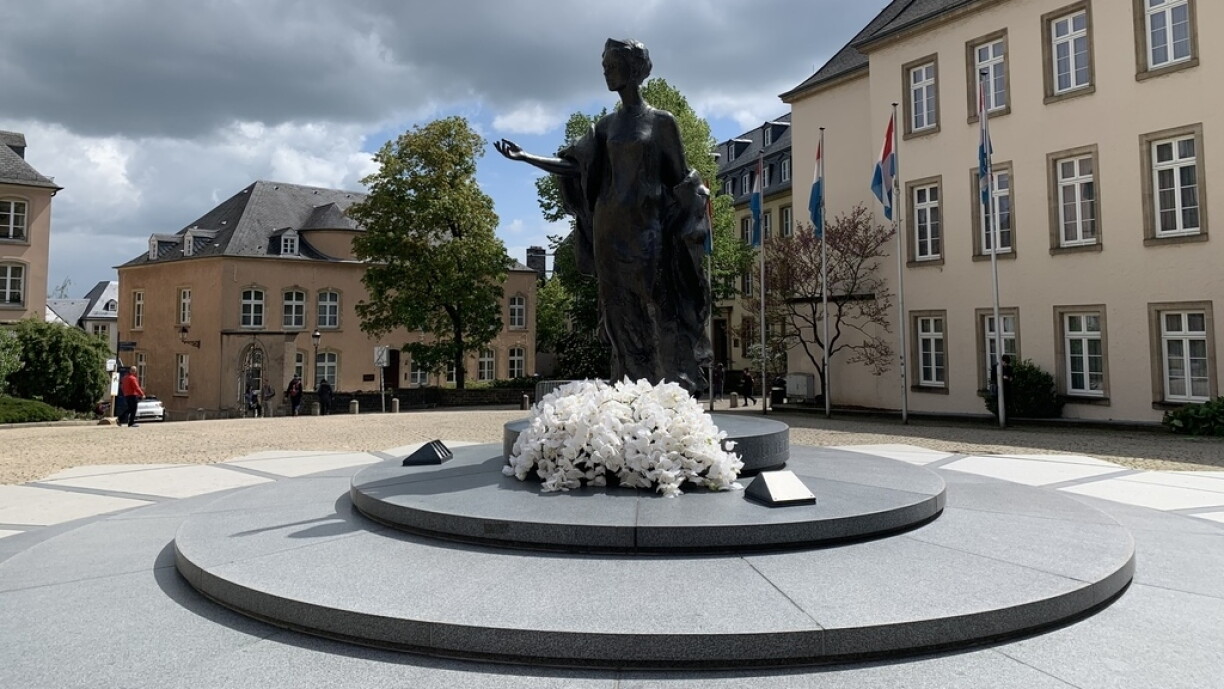
Grand Duke Jean's mother, Grand Duchess Charlotte, was posthumously honoured with a statue on Place Clarefontaine. The state, measuring 2.75 metres, is a creation of the French artist Jean Cardot and was inaugurated on 29 April 1990. The Grand Duchess, who abdicated in 1964, died in 1985. Two days before her funeral, the government decided to erect a monument in honour of the late head of state.
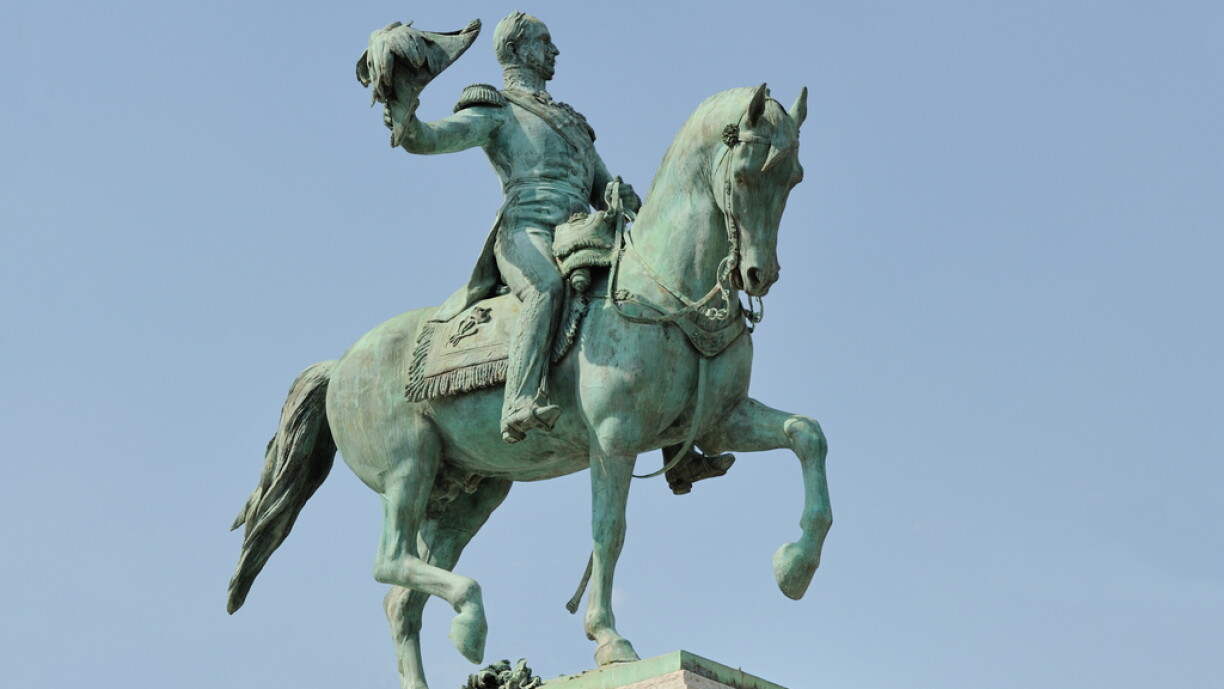
Luxembourg's largest monument to a former monarch is not too far from Place Clarefontaine. On the very square aptly named after him stands William II (Guillaume II), the second King of the Netherlands and Grand Duke of Luxembourg. In this case, the initiative to erect a monument in his honour was taken three weeks after his death in 1849. A private group launched a subscription to collect money for this purpose. As the private group's progress remained slow, in 1880, the government decided to take over and finance the monument. The inauguration took place four years later.
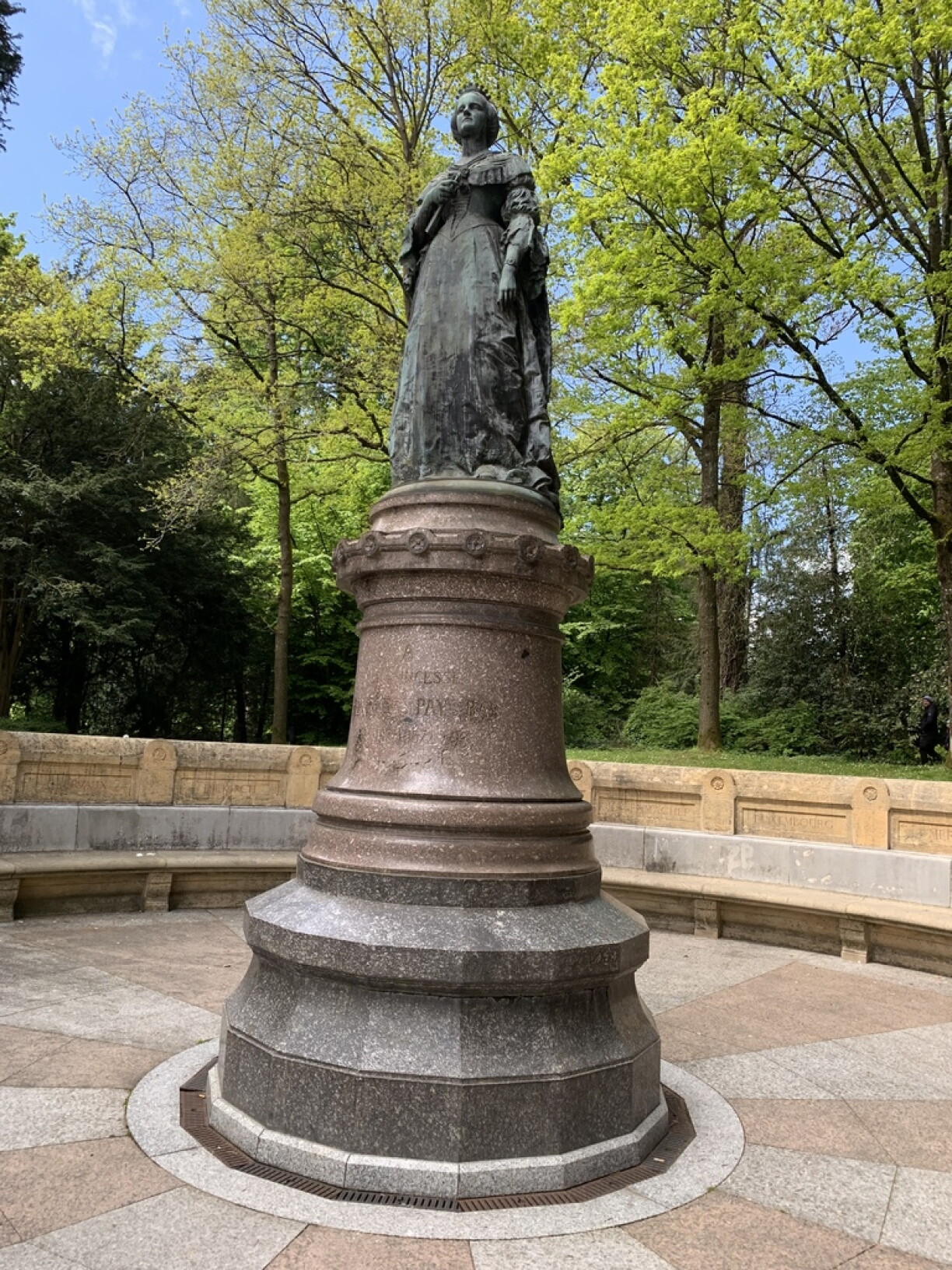
In that sense, the statue of Princess Amalia in the Luxembourg City park is older, having been unveiled in 1876. The statue commemorated the wife of William II's son, Prince William Frederick Henry (Prince Henri), who was Governor of Luxembourg from 1850 to 1879. The decision to honour the late princess with a monument was taken a mere two days after her death.
For all three monuments there were calls for tender to create the statues. For the statue on Place Guillaume II, five famous sculptors were asked. 54 artists had put their designs forward for the monument to Princess Amalia and 26 candidates applied to create the monument of Grand Duchess Charlotte.
The number of monuments that honour former heads of state is relatively small, as not everybody was honoured with statues. Some of them received other tributes. Such is the case of Prince Henry , the husband of Princess Amalia and the Governor of Luxembourg. Instead of having a statue erected in his name, Boulevard Prince Henri was named in his honour. Grand Duke Adolphe's name was given to the new bridge and the authorities dedicated Boulevard Royale and the Kinnekswiss (King's park) park to Guillaume/William III.
In order to honour a head of state with a monument, the authorities must go through a number of procedures and regulations. One of these procedures relates to finding a location not already occupied by another monument or equally, not too close to another statue.





