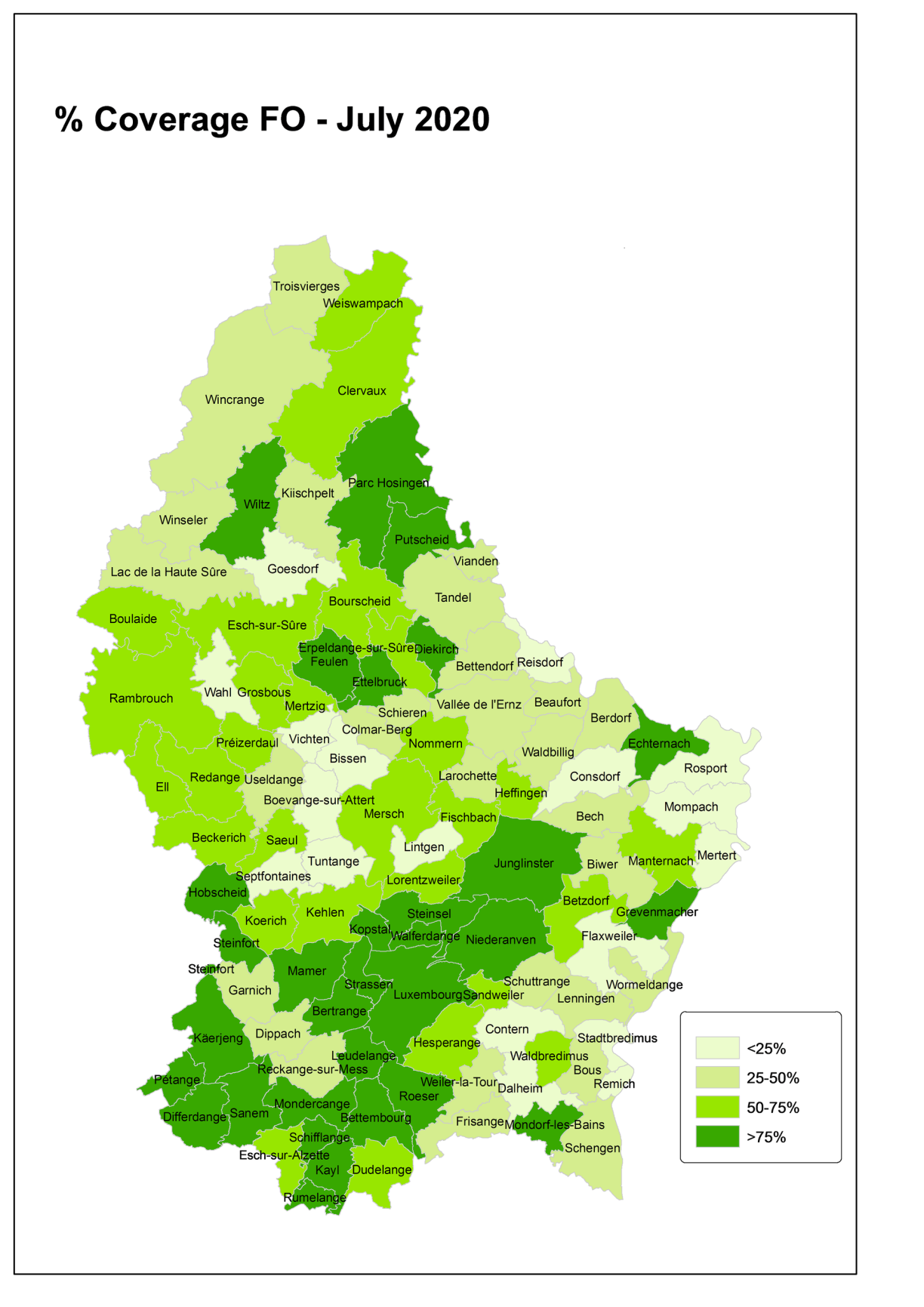
20,000 kilometres of fibre optic cables have already been put in place in Luxembourg. About 70% of households are connected to the network.
These figures put Luxembourg high up on the list when compared globally. The current plans are to increase the number to 80% over the upcoming years.
The network is referred to as a "network of the future". The transition from copper over to a fibre optic network began in the 90s. Fibre optic networks play a major role in the context of increasing digitalisation. It also serves as an attractive proposition for innovative companies thinking about moving to the Grand-Duchy.
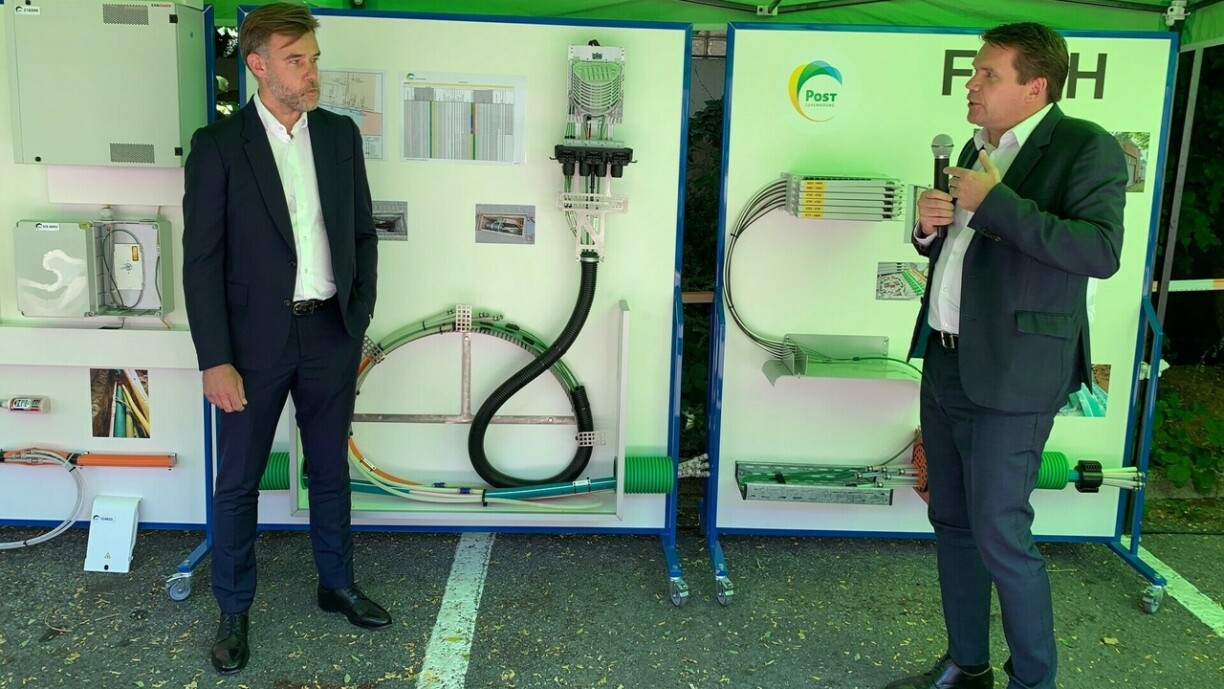
Franz Fayot, Minister of the Economy: "Fast internet connections are an advantage for Luxembourg because we are heading towards a data economy. Even now in the aftermath of the Covid crisis, we can observe that everyone is investing in digitalisation, in Europe but also in Luxembourg. As I said, it's a strategic keystone for an industry 4.0, for an ever more innovative, digitalised industry. However, fast internet connections are also important in other sectors, whether we talk about medium-sized enterprises, construction…etc"
However, not everyone has access to the new, faster internet connections just yet, and there are of course reasons for that.
Claude Strasser, director general of Post: "The key to the entire project is 'application'. On one hand, there's the question of when will fibre optics be available. On the other, there’s also the topic of how reactive the customers will be. How many of them will choose fibre optics? And here we have noticed a strong increase in demand after the crisis. We have actually been encouraged by this increase to boost our own efforts. Let's see that we can get more customers connected to fibre optics in a shorter period of time. So we have a motivation to increase our investments over the next 4-5 years."
Video report in Luxembourgish:
Previous investments of €250 million will be increased by €50 million. Post stated that the investments proved their value during the pandemic when an increasing number of employees worked remotely. Another important factor is to boost the Luxembourgish economy further ahead.
Post is one of the main actors supporting digitalisation in Luxembourg with over 250 million investments over the past 5 years. Since 2014, internet speed has practically doubled in Luxembourg.





