In the ideal operating conditions for lithium-ion batteries, temperatures ranging from 20 to 25 degrees Celsius yield optimal performance. However, once temperatures drop below this threshold, the internal resistance of the battery increases, which means it requires more energy to operate properly.
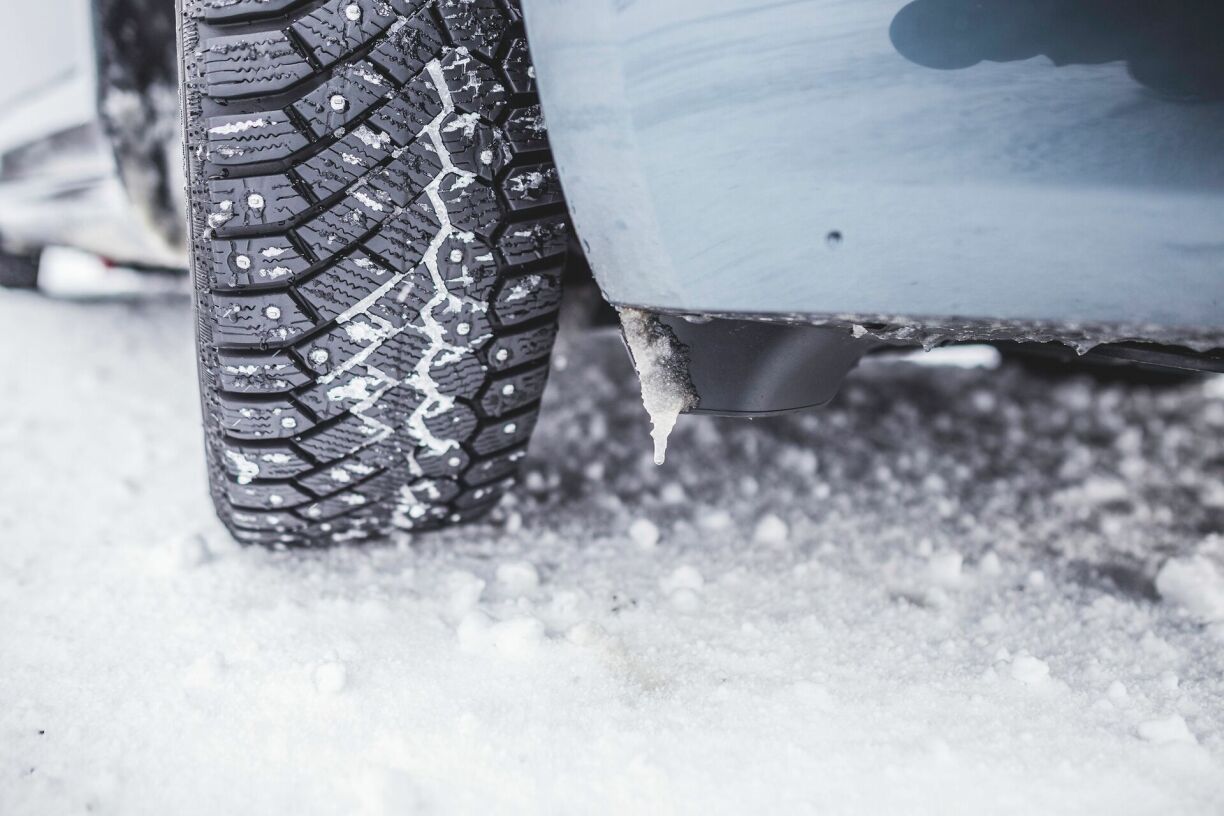
Meanwhile, using the heater (and/or heated seats) when it starts to get cold consumes a lot of energy, further reducing the vehicle's range. Additional variables, such as snow, intensify rolling resistance, necessitating even more energy. Depending on the circumstances, this range loss can fluctuate between 10 and 50%.
To mitigate the impact of these conditions, certain precautions can be taken. One effective measure is pre-heating the electric car's cabin while it is connected to its charging point. This ensures that the energy used for heating is drawn directly from the electricity grid rather than the battery, also aiding in maintaining the battery's operational temperature. Additionally, adopting a smooth driving style minimises energy consumption.
A recent study by the American company Recurrent sheds light on the winter range loss for electric vehicles. Analysing 18 popular models, the study reveals an average range loss of nearly 30%. Notably, the Hyundai Kona emerges as the most resilient, boasting an estimated range of nearly 330 km despite a 34% loss compared to optimal conditions. Tesla experiences an average range loss of approximately a quarter, while the Audi e-tron stands out as the least affected model, with only a 16% decrease in range during winter, equating to 270 km on a full charge.





