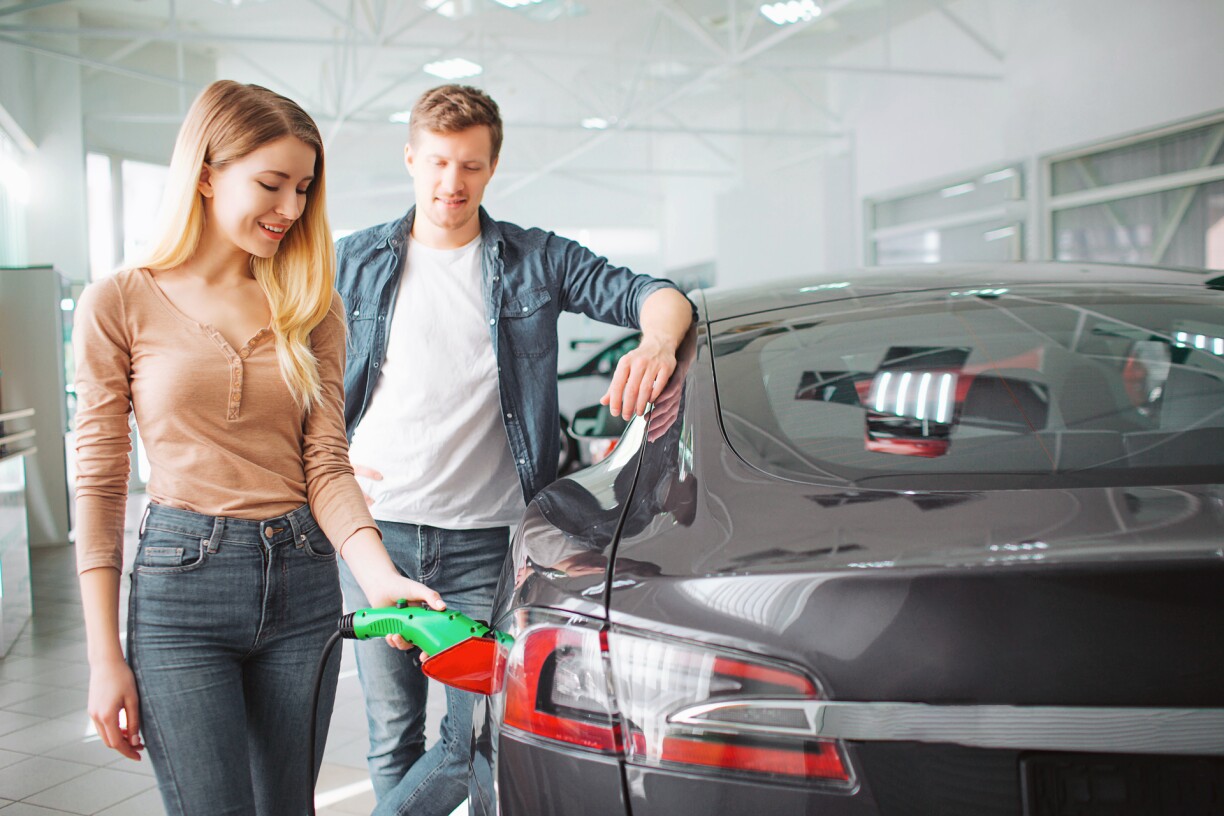
https://www.largus.fr/actualite-automobile/les-constructeurs-qui-passent-au-100-electrique-dici-2030-10640401.htmlIn a little more than a decade, it will be illegal to sell new vehicles with combustion engines within the EU, although second-hand vehicles will be permitted to be sold on.
The radical ban was received with scepticism when announced, with several countries stating their intent to oppose it, but a number of manufacturers have already taken the challenge on board.
Peugeot, Lexus, Ford, Mini, Mercedes, Citroën, and Fiat, among others, have announced plans to transition to a 100% electric range of vehicles between 2025 and 2030. French automobile site L'Argus reports that German brand Smart was one of the first manufacturers to embrace electric vehicles, signalling their move away from combustion engines back in 2019 with the remodelling of the Fortwo and Forfour. These days, Smart cars are fully electric - which in turn caused sales to plummet, according to the L'Argus website.
In 2020, luxury manufacturer Bentley followed suit by announcing plans to progressively convert its vehicles to electric models by 2030. Volvo has since jumped on the bandwagon, also promising complete electrification within the next six years. Even Alpine, the prestigious sports division belonging to French car giant Renault, says it will unveil three electric-only models by 2026. These precursors were swiftly joined by announcements from other brands.
Electric conversion plans for the main car manufacturers are as follows:

The biggest automobile manufacturers are leading the charge when it comes to change. The multinational Stellantis, a conglomerate of around fifteen brands, has seen all its brands on the European market announce their intention to transition to electric cars by 2030, despite boss Carlos Tavares' long-held reticence towards the issue.
Italian carmaker Abarth has also launched a new electric range, with other models set to follow.
At Peugeot, it is likely that the next generation of electric models could be launched well before the brand's 2030 deadline. Lancia, Alfa Romeo and Opel are expected to release new fully electric ranges in 2026, 2027 and 2028 respectively, according to L'Argus.
German powerhouse Mercedes plans a switch to to a 100% electric range by 2030 - at least, for markets "where the conditions permit it". The same deadline has been mentioned by Mini, Lexus and even Nissan. In contrast, Audi say they are expecting to cease production of combustion and hybrid engines by 2033.
Ford says all its models marketed in Europe will be offered as electric or plug-in hybrid versions by 2026, moving to 100% electric by 2030.
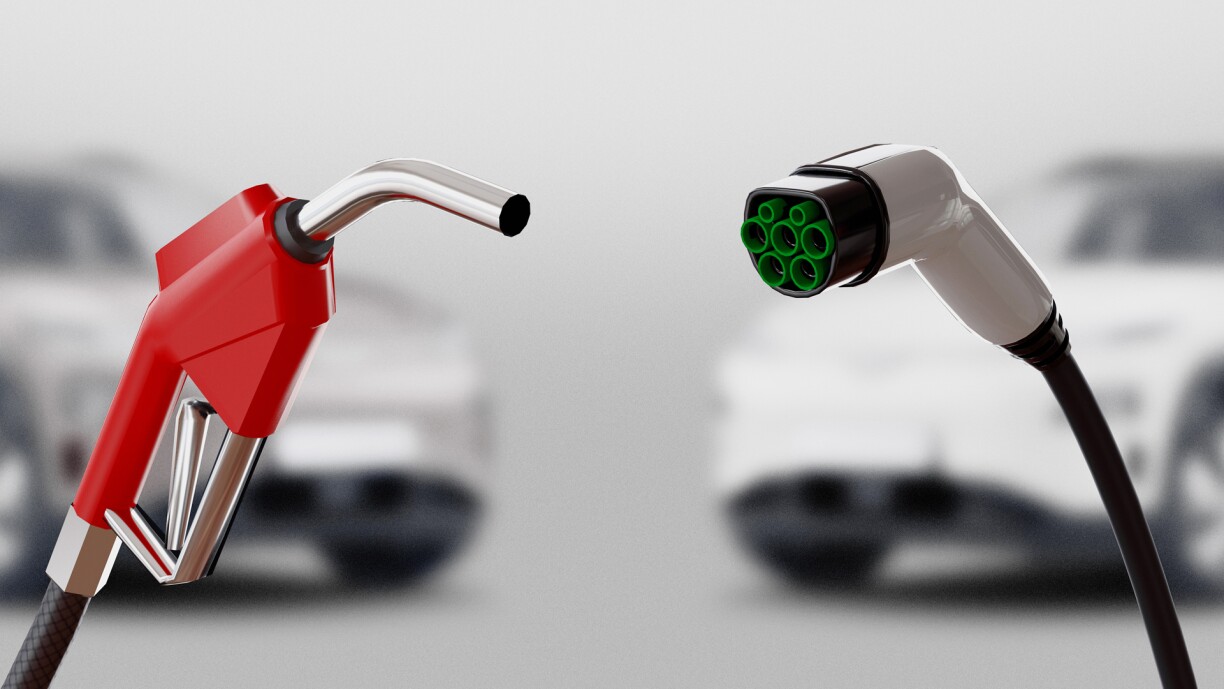
In short, manufacturers have already made the switch to electric and latecomers are becoming increasingly rare. The Rocky Mountain Institute predicts that electric vehicles will account for two-thirds of global car sales by 2030. As for the EU, a study conducted by Transport and Environment (T&E) estimates that the electric vehicle market in Europe is likely to account for half of all automobile production by 2030.
What are your thoughts on electric vehicles? Let us know in the comments, or reply to the survey below:





