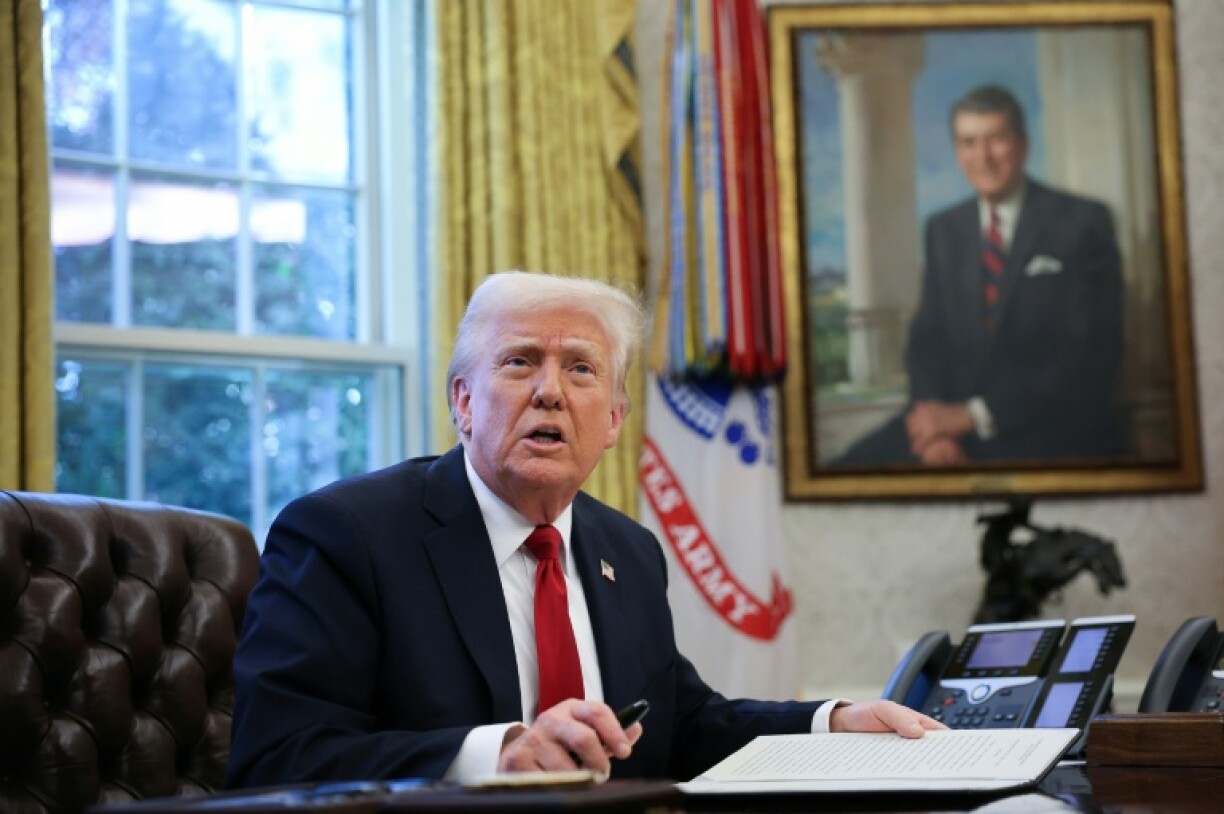
Here are the international reactions so far:
Beijing said it "firmly opposes" the new tariffs on its exports, and vowed "countermeasures to safeguard its own rights and interests".
Trump unveiled particularly stinging tariffs of 34 percent on China, one of its largest trading partners, while a 10 percent base tariff on all countries also applies. That comes on top of a 20 percent rate imposed last month.
The tariffs "do not comply with international trade rules", China's Commerce Ministry said.
It urged Washington to "immediately cancel" them, warning they "endanger global economic development".
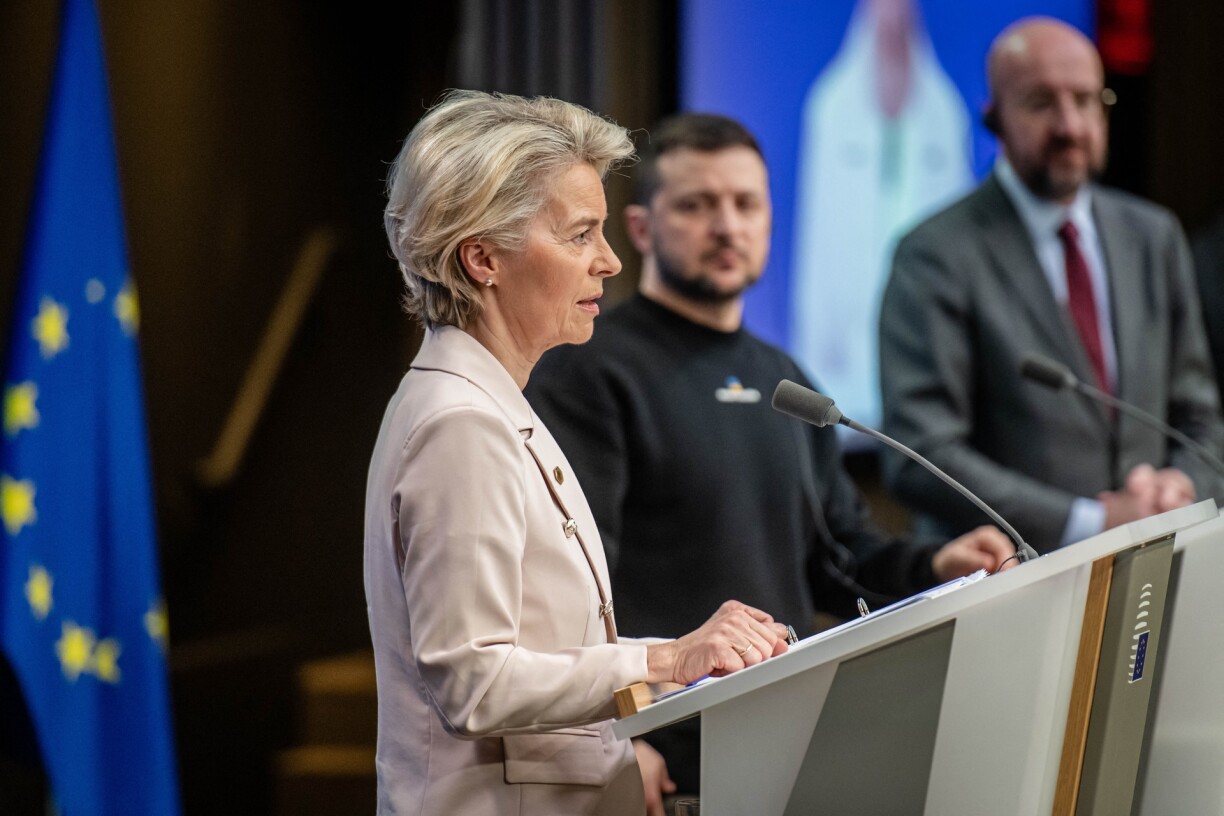
The tariffs are a "major blow to the world economy", warned EU chief Ursula von der Leyen.
"There seems to be no order in the disorder. No clear path through the complexity and chaos that is being created as all US trading partners are hit," she said.
After the 20 percent tariffs on EU exports to the United States, she said Brussels was "preparing for further countermeasures" but added it was "not too late to address concerns through negotiations".
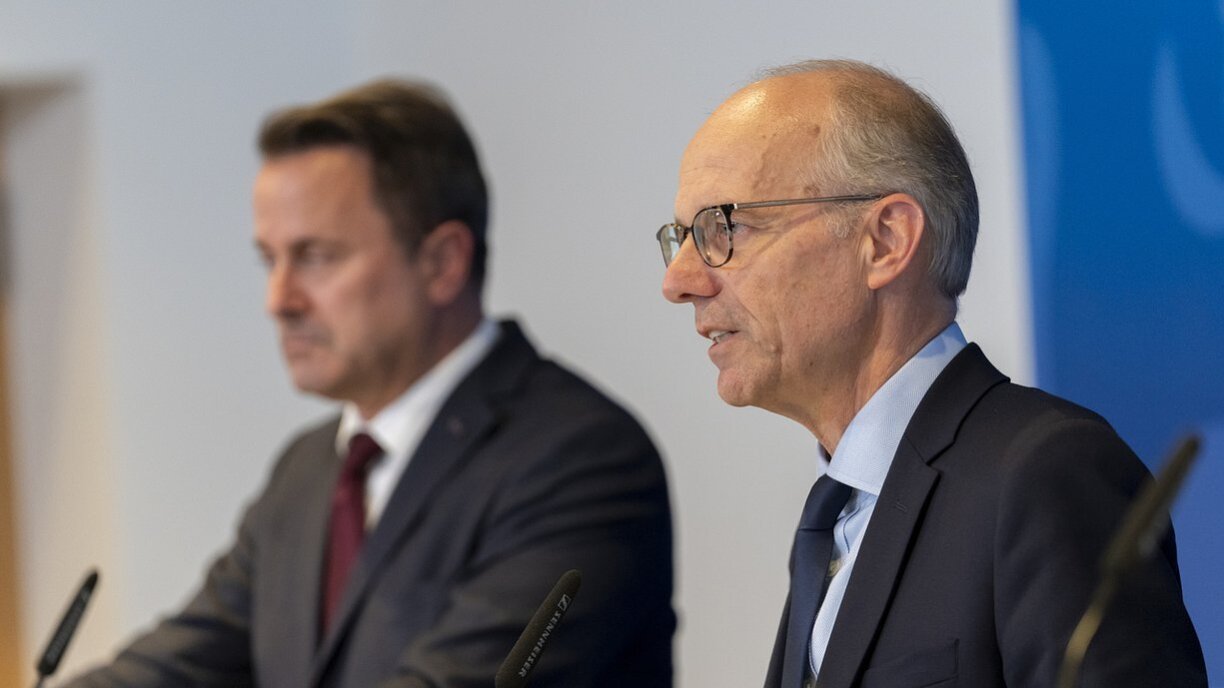
Luxembourg's Minister for Foreign Trade, Xavier Bettel, expressed regret on Thursday over the need for European retaliatory measures following US President Donald Trump's announcement of sweeping new tariffs targeting nearly every country.
Bettel, who also serves as Deputy Prime Minister, warned that trade restrictions typically result in a "lose-lose" scenario. "Many Americans voted for presidential candidate Trump because he said that inflation would go down," he said, but Bettel finds it "hard to see how these measures will achieve that".
While Luxembourg Prime Minister Luc Frieden described import duties as "an obstacle" to global commerce that typically represent "a bad idea". The comments came during an interview with our colleagues from RTL.lu on Thursday.
Frieden reiterated Luxembourg's preference for diplomatic engagement with the United States – Europe's largest trading partner – over an all-out trade war, noting recent consultations with European Commission President Ursula von der Leyen last weekend.
German Chancellor Olaf Scholz slammed the tariffs as "fundamentally wrong" as Berlin warned that the European Union could retaliate by targeting American tech titans.
"This is an attack on a trade order that has created prosperity all over the globe, a trade order that is essentially the result of American efforts," Scholz said.
Trade minister Yoji Muto said the 24 percent tariffs on Japanese exports to the United States were "extremely regrettable, and I have again strongly urged (Washington) not to apply them to Japan".
Japan's chief cabinet secretary Yoshimasa Hayashi told reporters the tariffs may contravene World Trade Organization rules and the pair's trade treaty.
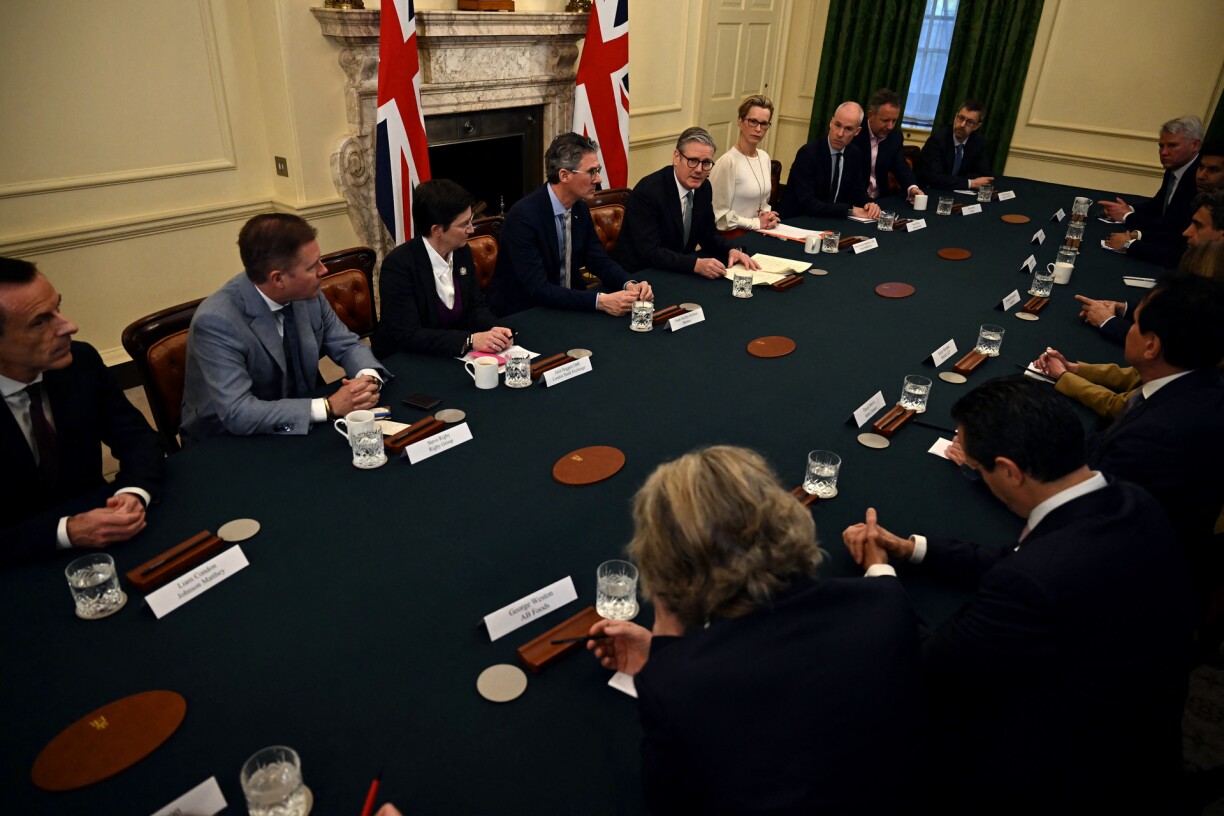
UK Prime Minister Keir Starmer said "there would be an economic impact" from a 10 percent tariff imposed on British exports to the United States.
"Today, I will act in Britain's interests with mine," said Starmer, adding that trade negotiations would continue with Donald Trump's administration and that "we will fight for the best deal for Britain".
The UK will "remain calm, and committed" to sealing a trade deal with the United States which could help "mitigate" the tarriff rise, business minister Jonathan Reynolds said.
French President Emmanuel Macron called for a suspension of investment in the United States until Donald Trump's "brutal and unfounded" new tariffs against Europe and the rest of the world were clarified.
"What would be the message if big European actors invest billions of euros in the US economy at the very moment they are hitting us?" Macron asked at a meeting of French companies.
Macron said Americans will be "weaker and poorer" after Trump's tariff announcement, which he said would have a "massive impact" on the European economy.
Italian Prime Minister Giorgia Meloni criticised the new US tariffs on imports from the EU and urged a deal, warning a trade war would "inevitably weaken the West".
"The introduction by the US of tariffs towards the EU is a measure that I consider wrong and that does not suit either party," she said.
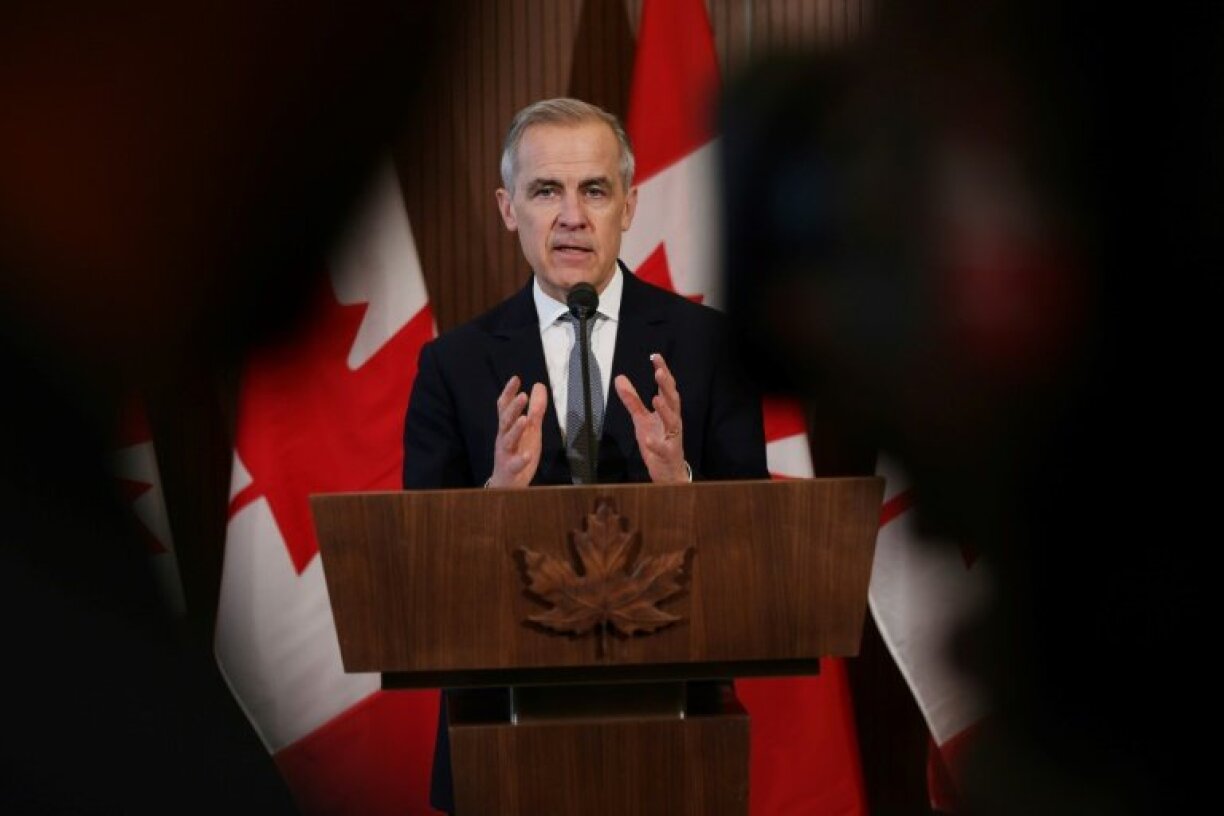
Prime Minister Mark Carney warned the tariffs will "fundamentally change the global trading system".
"We are going to fight these tariffs with countermeasures. We are going to protect our workers," he said.
Spanish Prime Minister Pedro Sanchez called the tariffs a "unilateral attack" against Europe.
This measure marks a return to "19th century protectionism, which in my opinion, is not an intelligent way to meet the challenges of the 21st century," he said.
Prime Minister Anthony Albanese said Australia would not retaliate but said: "This is not the act of a friend."
Australia, where one in four jobs depends on trade, charges nothing on US imports, Albanese said, calling the tariffs "unwarranted" and saying they undermine "our free and fair trading relationship".
Brazil's Congress approved a so-called "Economic Reciprocity Law" allowing the executive to respond to the 10 percent tariffs on exports from Latin America's biggest economy, which is the second-largest exporter of steel to the United States after Canada.
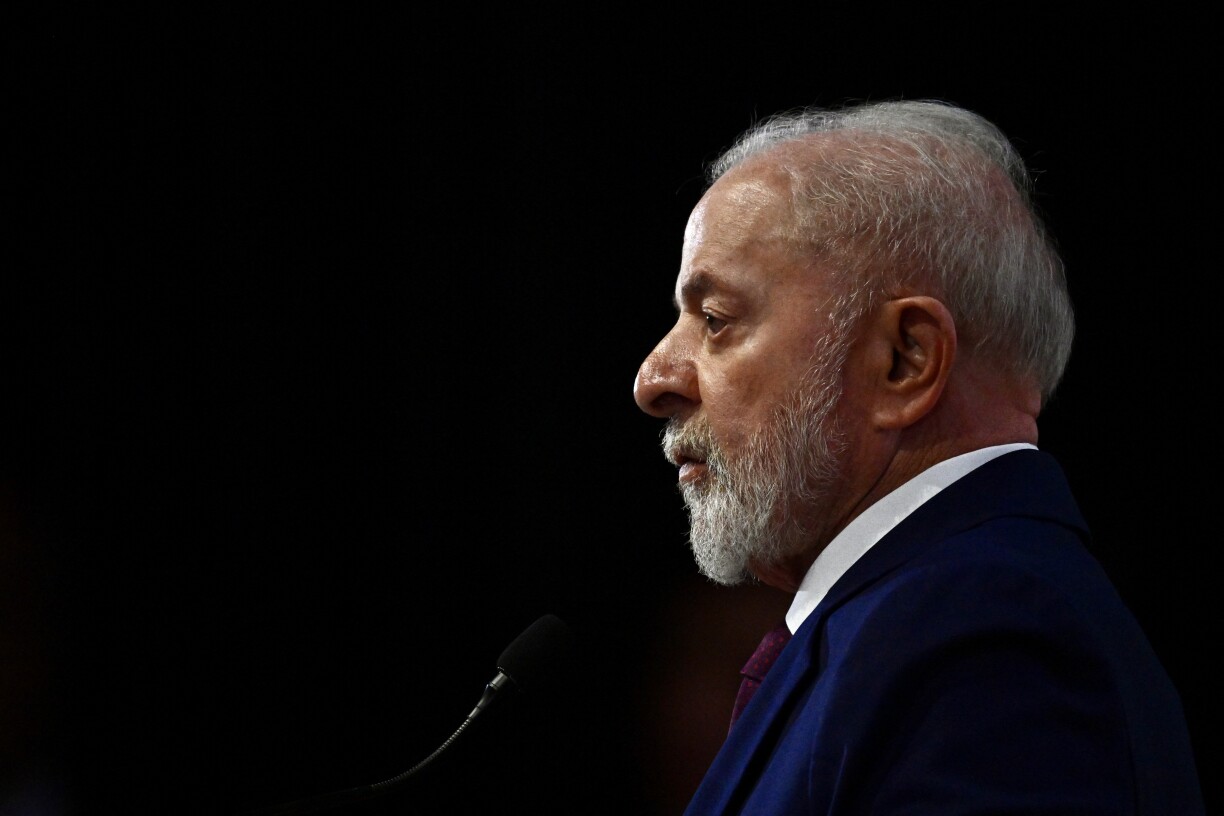
"A global tariff war has become a reality," said acting president Han Duck-soo following Trump's 25 percent tariffs on imports from South Korea.
Han convened an emergency task force and vowed to mobilise "all government resources" to overcome the "trade crisis", urging ministers to minimise the damage through aggressive negotiations with Washington.
After Switzerland was hit with 31 percent tariffs, President Karin Keller-Sutter said the government would quickly decide on the next steps.
"The country's long-term economic interests are the priority. Respect for international law and free trade are fundamental," she said.
"Friendship means partnership. Partnership means really and truly reciprocal tariffs," said Prime Minister Donald Tusk.
Cambodia was among the nations hardest hit by Trump's tariffs, singled out for a 49 percent levy.
Commerce ministry spokesman, Penn Sovicheat, said the harsh tariffs are "not reasonable" and that the Southeast Asian country hoped to negotiate with Washington.
The Taiwanese government found the 32 percent levy "highly unreasonable and deeply regretted it" said cabinet spokeswoman Michelle Lee.
She said Taiwan would "initiate serious negotiations with the United States".
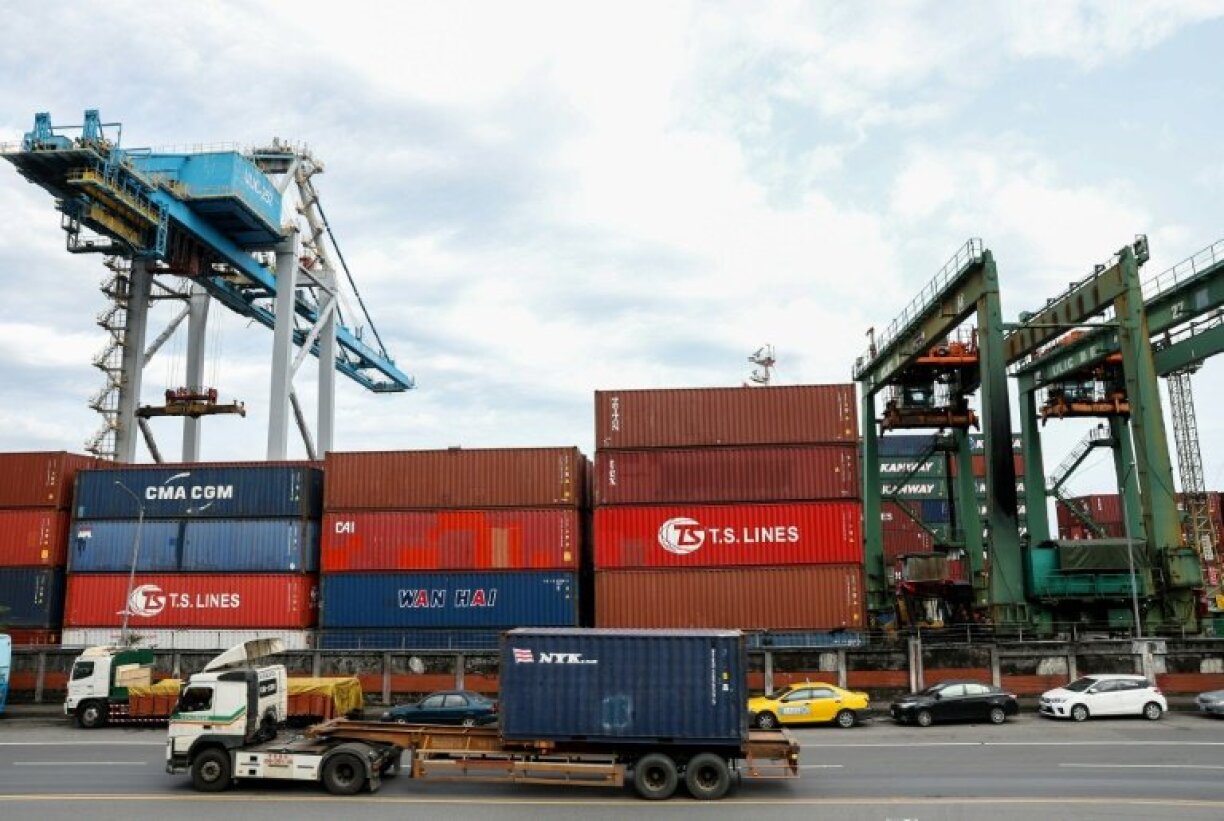
Thai Prime Minister Paetongtarn Shinawatra said he had a "strong plan" on how to respond, believing that there remained room to negotiate.
Deputy Finance Minister Julapun Amornvivat said Thailand would "negotiate with understanding, not aggressive talk. But we have to talk which products they feel are unfair and we have to see whether we can adjust."
India's commerce ministry reacted cautiously, saying it is "carefully examining the implications of the various measures" after the US slapped a flat 26 percent on exports imposed on the fifth-largest economy.
It also said it was "studying the opportunities that may arise due to this new development", a likely reference to regional competitors being hit harder.
Bangladeshi textile industry leaders said the tariffs posed a "massive blow" to the world's second-largest garment manufacturer, which accounts for some 80 percent of the South Asian nation's exports.
"Buyers will go to other cost-competitive markets -- this is going to be a massive blow for our industry," said Rakibul Alam Chowdhury, chairman of RDM Group, a major manufacturer with an estimated $25 million turnover. "We will lose buyers."
The new 30 percent tariffs on South African imports are a concern and underscore the urgent need for a new bilateral trade agreement, President Cyril Ramaphosa said.
"The tariffs affirm the urgency to negotiate a new bilateral and mutually beneficial trade agreement with the US as an essential step to secure long-term trade certainty," he said. The United States is South Africa's second-biggest trading partner.





