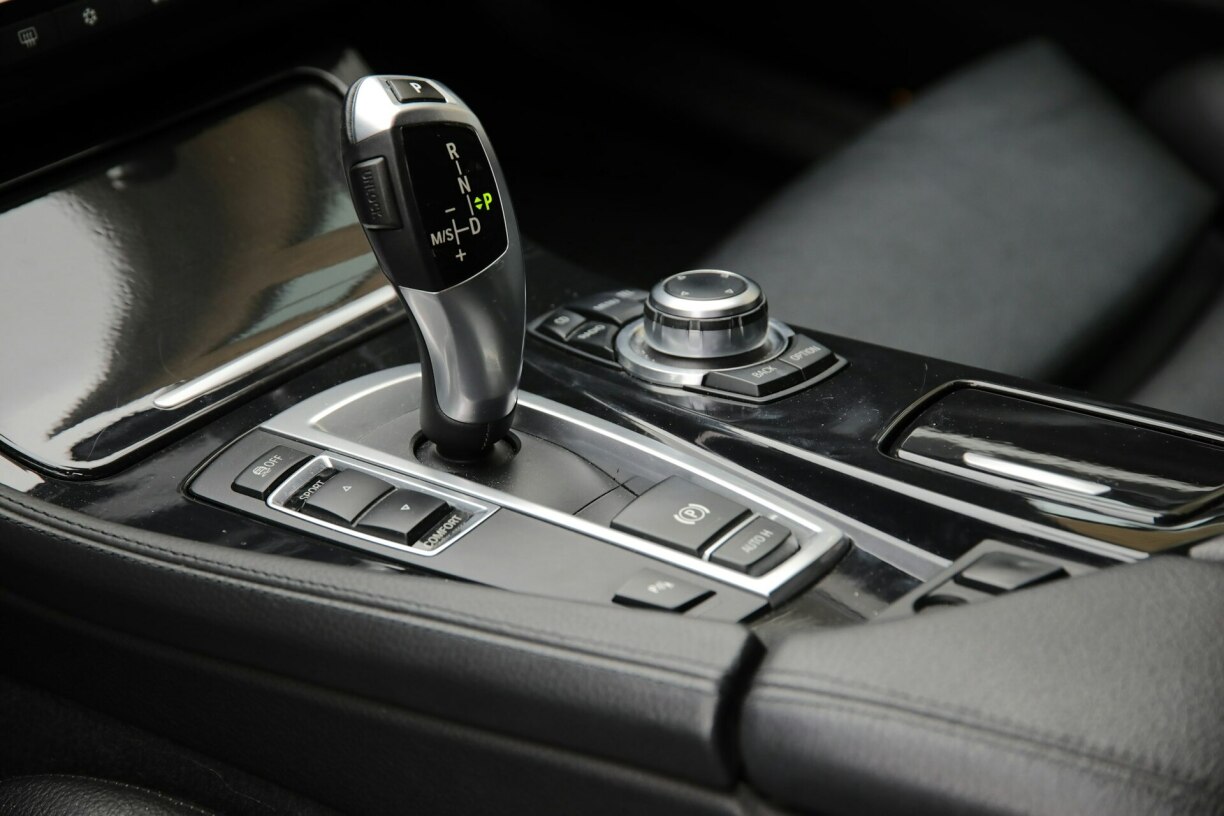
Gone are the days when automatic cars were reserved for the privileged few here in Europe. Now, a huge number of cars use automatic transmission, ranging from small city cars to larger multi-purpose vehicles. Above all, automatics are comfortable to use, particularly for those who spend a large percentage of their commute stuck in traffic jams.
However, despite their overall simplicity compared to manual transmission vehicles, automatics can and are frequently mishandled. Here are some simple reminders to keep your car running smoothly.
In a car park or while making a U-turn, you might be tempted to save time by reversing, engaging reverse mode while still moving forward.
However, this is ultimately ruinous for the car itself: applying force to stop the vehicle won't engage the brakes but puts strain on the gearbox instead. The higher the car's speed, the more likely the damage. This sort of damage can accumulate until the gearbox breaks.
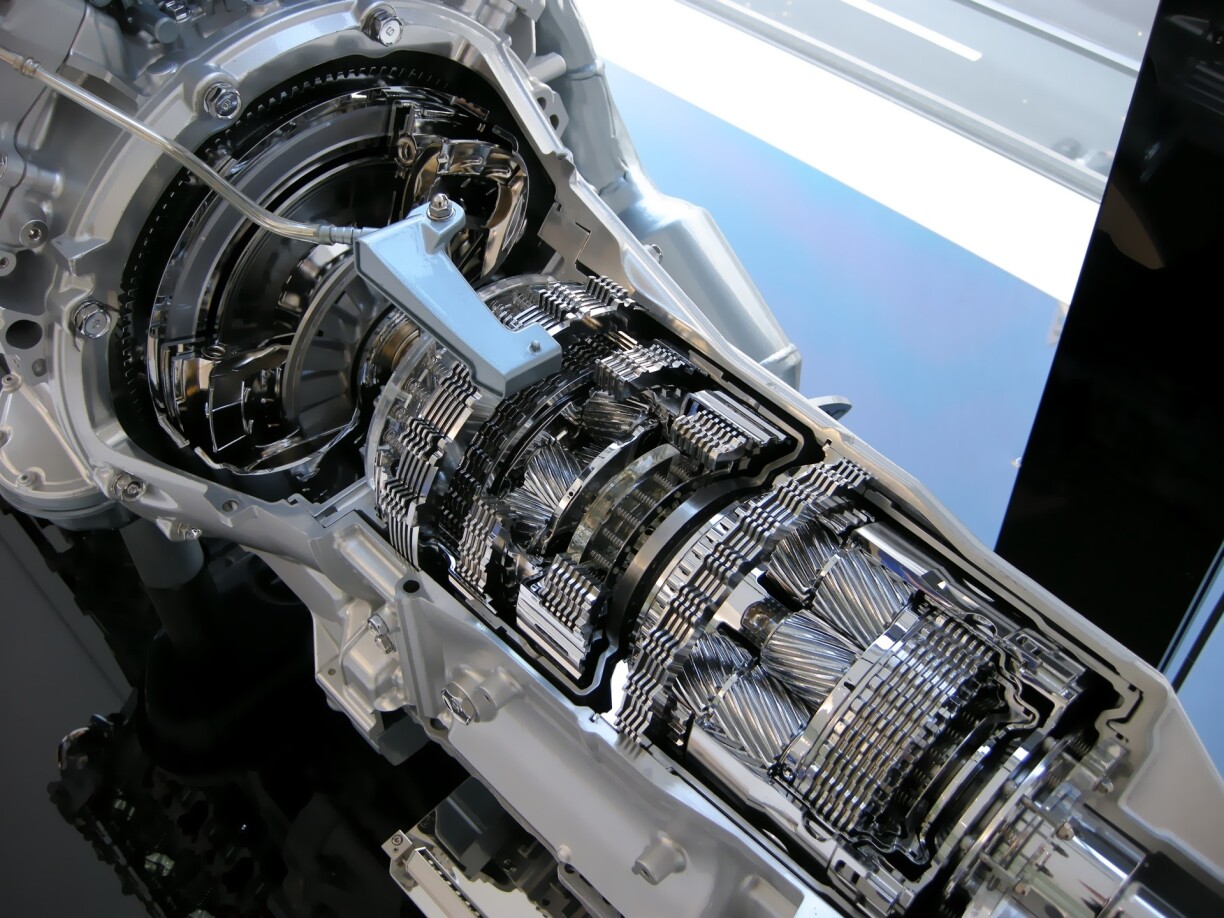
So regardless of whether you're in a rush, always take the time to stop the vehicle before putting it in reverse. If not, it could cost you dearly.
Although it is less common, this error should still be avoided: Only engage Parking mode (P) when the vehicle has come to a complete stop.
Much like the previous error, activating the Parking mode when the vehicle is still moving could also potentially cause damage to the gearbox. This mode is designed not to stop the vehicle, but to immobilise it once stationary.
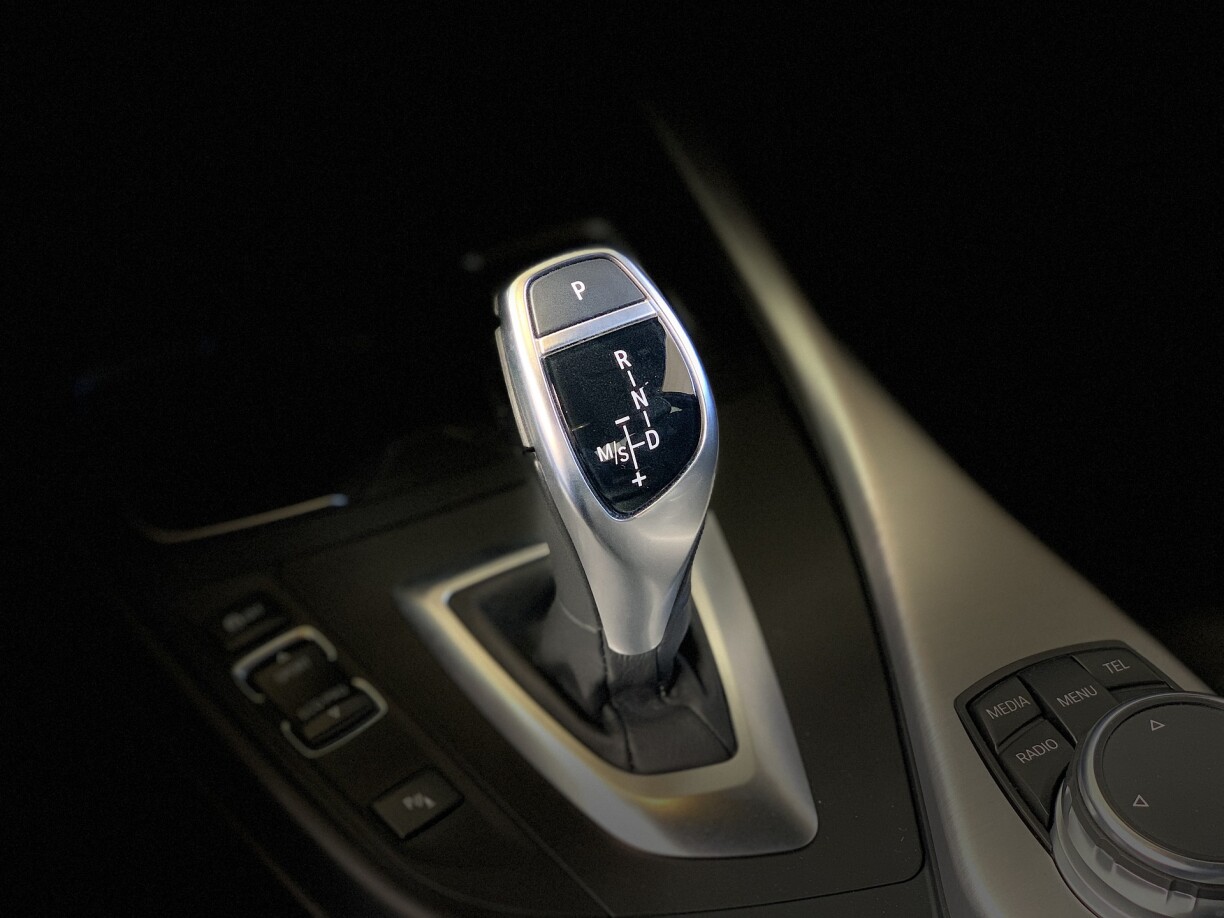
Another obvious fact which still merits a reminder: never leave your vehicle in Drive (D) mode when you're not in the vehicle, even if you plan to only step out for a few seconds. In Drive mode, the vehicle can still move on its own, even if the accelerator pedal has barely any pressure on it - especially if the vehicle is on a slope. Therefore, it is vital to always place the vehicle in Park when stationary.
While some drivers might favour neutral mode for going downhill, the neutral position means the car is effectively freewheeling and is no longer controlled by the engine.
This means the driver loses responsiveness in the event of an emergency - for example, if the need to accelerate suddenly arises, the driver loses valuable time while switching from N mode to Drive. The same thing happens if the driver has to brake suddenly, which can cause issues when going downhill.
And, last of all: putting the car back into Drive mode, while it is coasting in neutral, once again risks putting strain on the gearbox. Gear changes are designed to be carried out in a normal progression at specific times, so suddenly going from neutral into fourth or fifth gear requires increased effort, especially if the engine is coupled with the wrong gear. These actions can wear out less efficient gearboxes and prove costly over time.
Interested in more car content? Check out our car guide.





