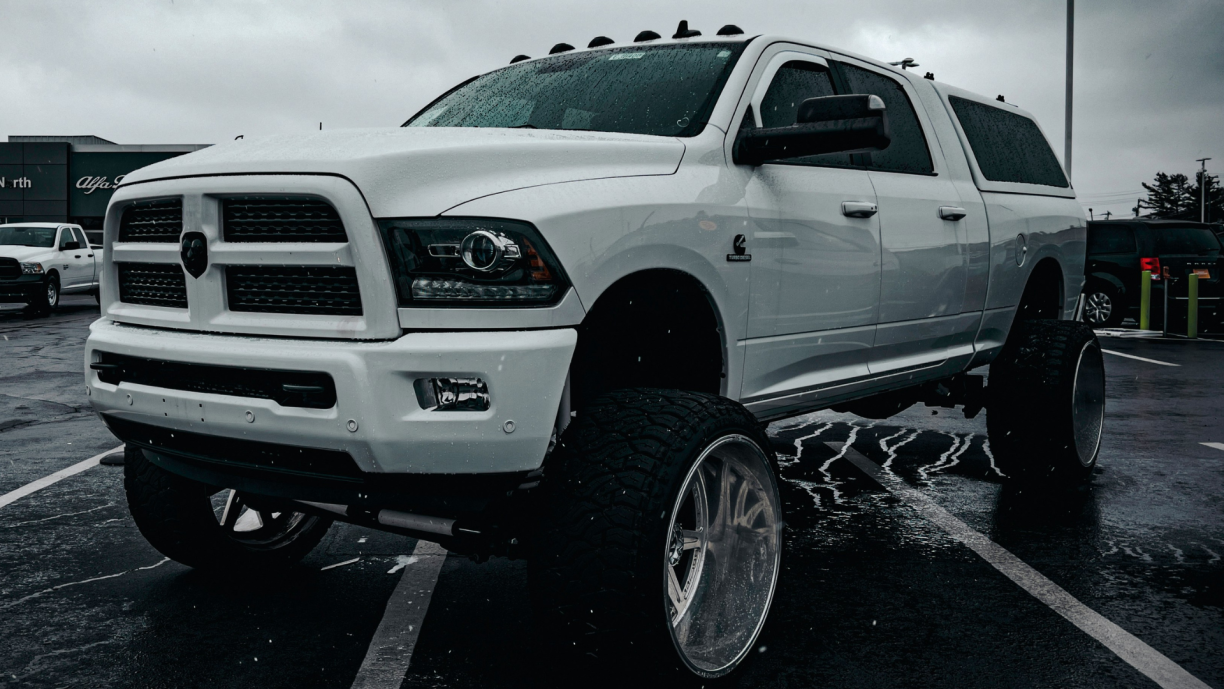
What was once considered criticism-worthy, the proliferation of larger vehicles, including 4x4s and SUVs, has now become the standard. In a curious twist, today's 'small' city cars rival some of the mid-sized saloons of yesteryear.
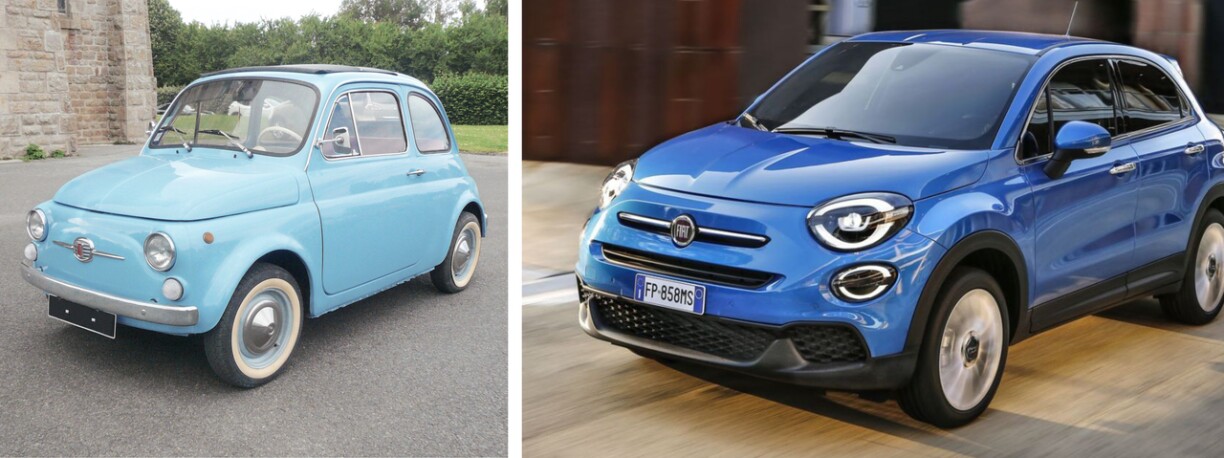
A prime example of this size evolution is the Fiat 500. Initially an iconic 'soapbox' from the 1950s, weighing less than half a tonne at the time, the modern iteration now carries twice that weight and even comes in an SUV version.
Between 1990 and 2023, the average weight of cars sold in France has surged from 953 kg to 1,256 kg, marking a significant 32% increase or 303 kg. Delving into the measurements, researcher Aurélien Bigo's estimates indicate a growth of 21% in height, 14% in width, and 3% in length since 1960.
The engine makes a big difference: While some vehicles have experienced significant weight gains, others have shed some pounds. Notably, electric cars draw attention for their weightiness, with an average close to 1,500 kg, attributed primarily to their hefty batteries. In models like Tesla or Zoe, the battery alone constitutes a quarter of the vehicle's weight.
Rechargeable hybrids exacerbate the weight issue further. Combining an internal combustion engine with batteries, they tip the scales at an average of 1,800 kg.

In contrast, internal combustion engines show less susceptibility to weight gain, with petrol cars maintaining the lightest average at 1,093 kg and diesel cars at 1,357 kg. Petrol and petrol-LPG hybrids even buck the trend by shedding weight between 2012 and 2023, reaching average weights of 1,306 kg and 1,169 kg, respectively.
And what about tyres? Rims are following the trend and have also become oversized.
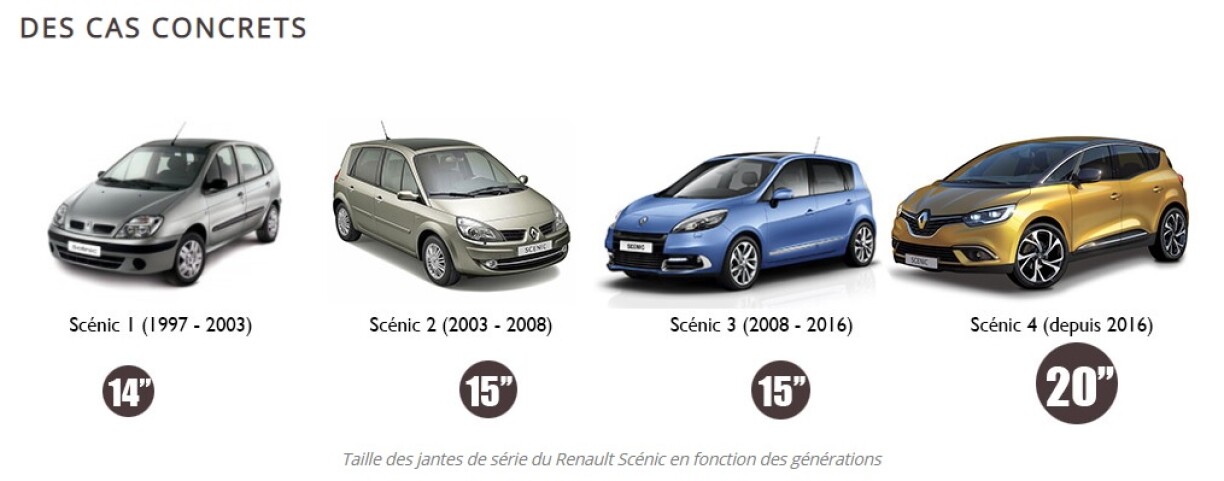
The evolution of the Renault Scénic serves as a notable example, transforming from 14-inch rims in 1997 to an impressive 20 inches today, a shift sizable enough to rival some buses.
Of course, this trend emerged in response to a demand that is both aesthetic (there is no shame in admitting that these rims look great) and logical (small rims would be inappropriate on imposing vehicles).
Larger rims contribute to a less eco-friendly footprint, emitting fine particles and playing a significant role in the vehicle's fuel consumption. The financial impact is also felt when it's time to change tires, with potential costs looming large.
It is true that modern vehicles boast enhanced safety features and cutting-edge technologies compared to the rudimentary vehicles of the past. But that alone does not explain this epidemic of car obesity. As evidenced by the runaway success of SUVs, there is no way around acknowledging that consumers love big vehicles. But while these vehicles have plenty of assets, they also try to hide some nasty flaws beneath their XXL bodywork.
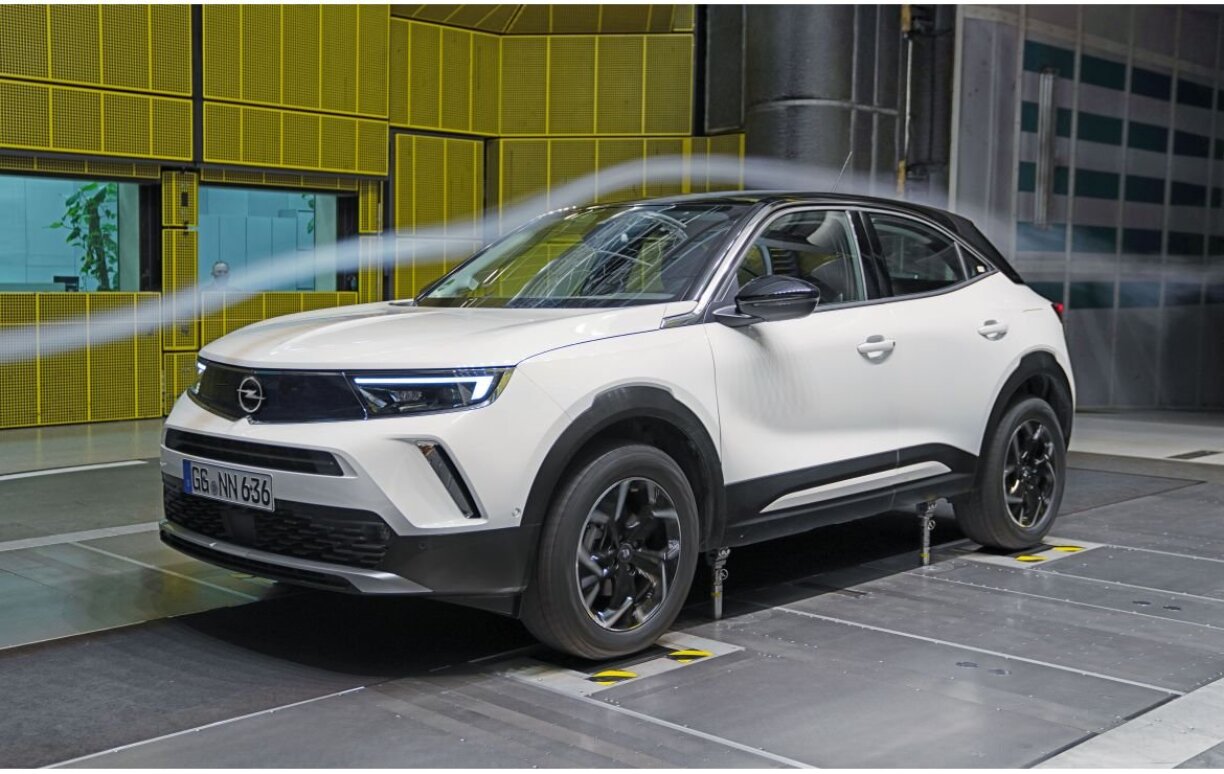
Estimates indicate that SUVs consume nearly 10% more fuel than their sedan counterparts, emitting a proportionate increase in CO2, particularly in combustion-powered SUVs.
The issue extends to tyre size, as the inherent largeness of SUVs mandates the use of wider tires. Guillaume Devauchelle, Technical Director of equipment manufacturer Valeo, underscores the impact: "If we reverted to the wheels of the 2000s, we could save 100 kilos and 10% on fuel consumption, which is substantial."
Unfortunately, this vehicle, which was originally designed to pull horse trailers, is nowadays used mostly to accomplish the same tasks as sedans or city cars. And this at a time when urbanisation and environmental concerns should logically encourage a reduction in vehicle size. Clearly, things aren't always running smoothly in the world of cars.





