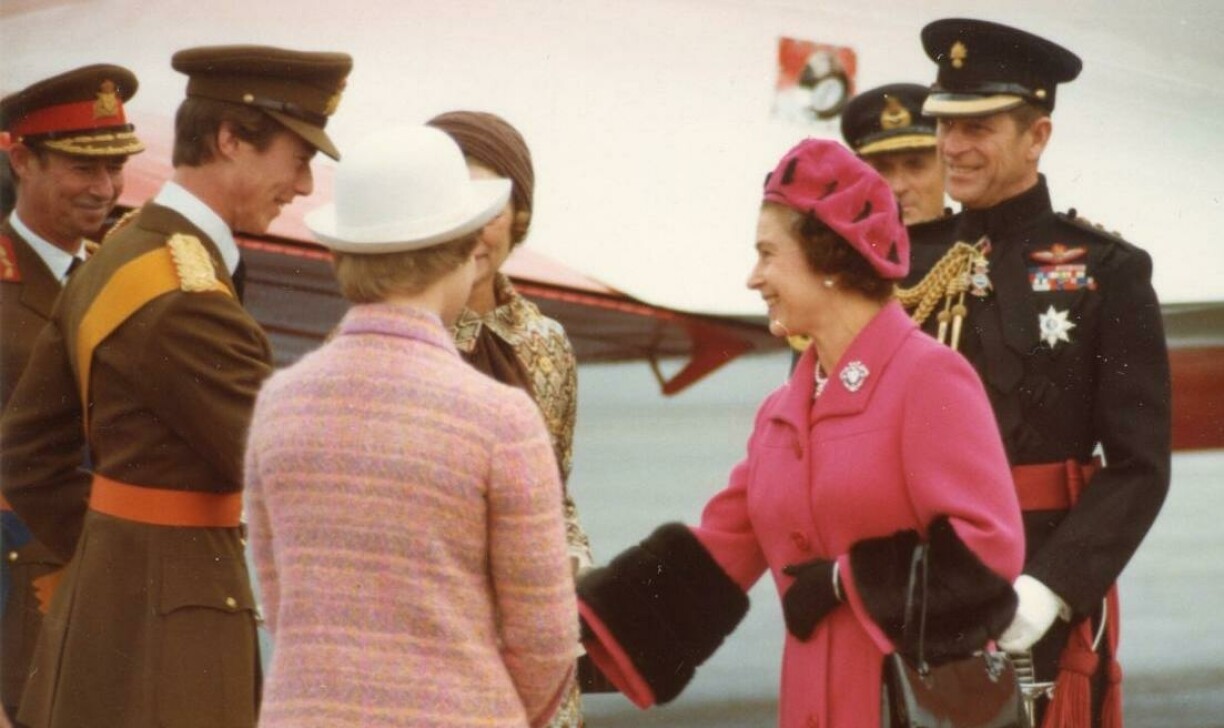
Considering that a big part of Luxembourg’s international population are expats, we thought it would be useful for our readers to know a little more about the history of monarchy in Luxembourg as the current discussion does not only involve the British monarchy but the subject of monarchy altogether. Here is a small overview of Luxembourg’s monarchy and its history.
The Grand Duchy of Luxembourg is also a monarchical state with a parliamentary democracy headed by a constitutional monarch and a prime minister, which means that the Grand Duke, along with the cabinet of ministers, holds executive power over the nation.
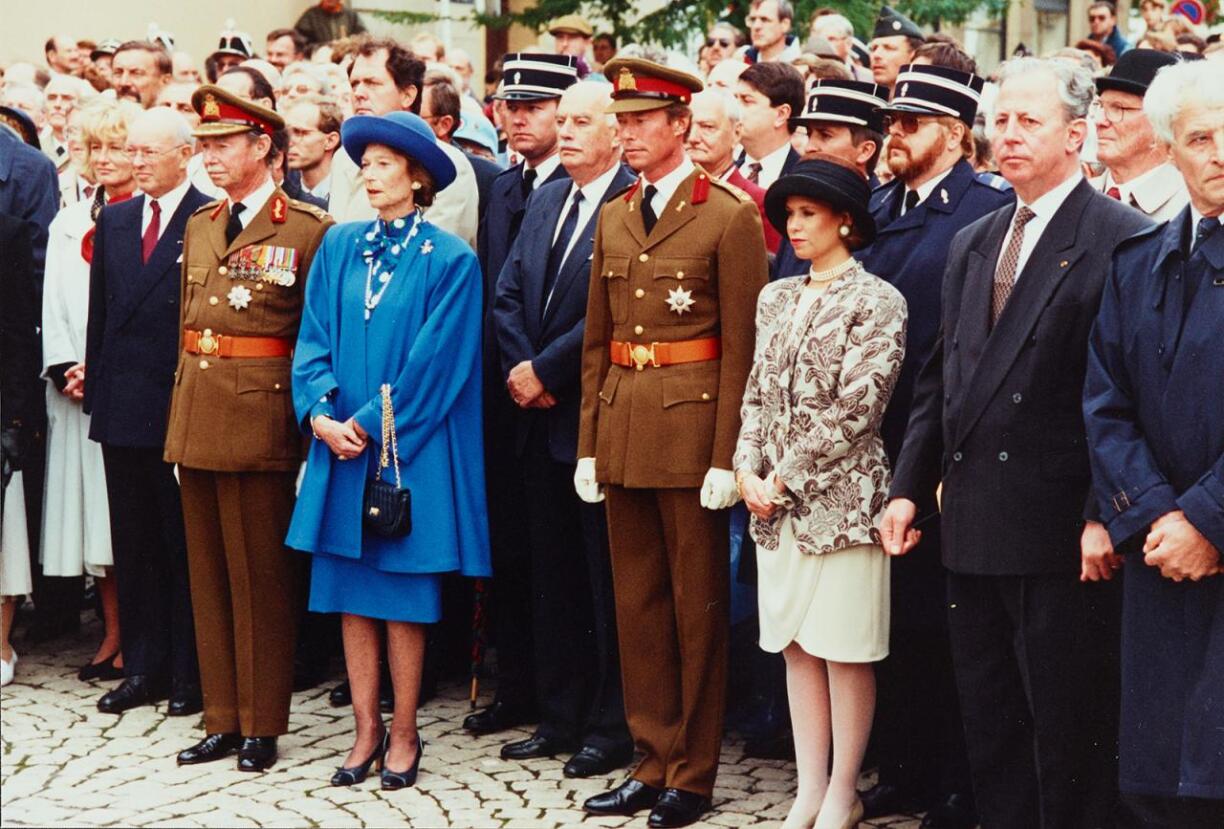
The Grand Duke does not get a monthly salary but the grand ducal family receives annually €281,000 for “grand ducal functions” and a budget for household costs, which in 2017 was €10.1 million.
Duke Henri is the current head of the state, since his appointment in 2000.
His duties as the head of the Luxembourgish constitutional monarchy are mostly representative. Nonetheless, he is in power to appoint government and the prime minister, as well as dissolve the Chamber of Deputies.

Duke Henri is also commander-in-chief of the Luxembourg Army and an honorary major in the British RAF Regiment. He has the rank of general. In 2019, his family's net worth was estimated to be around $4 billion.
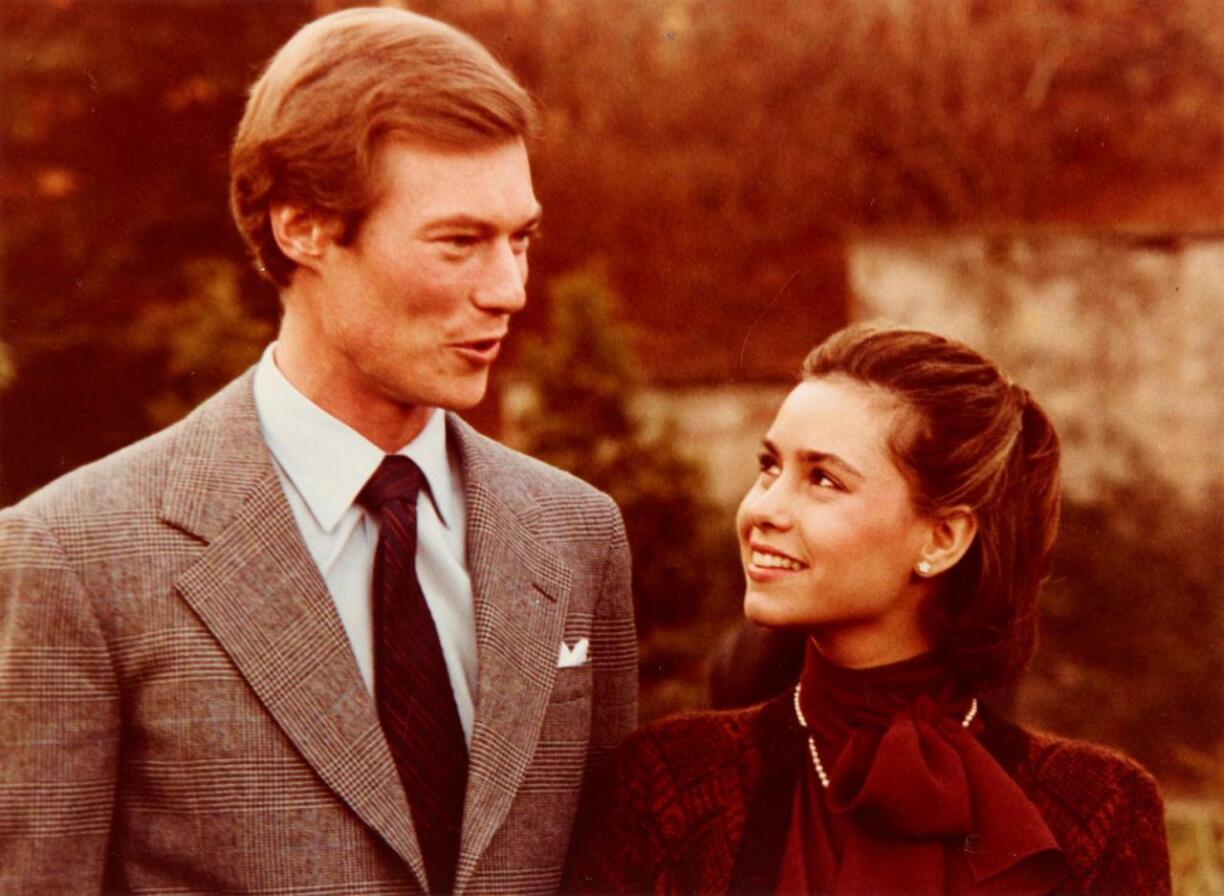
He was born on 16 April 1955 in Betzdorf. He married Grand Duchess Maria Teresa in 1981 and they have five children.
Duke Jean, Grand Duke Henri's father, was head of state from 1964 to 2000.
He was the eldest son of Grand Duchess Charlotte and Prince Felix. He was announced as the Hereditary Grand Duke in 1938. He married Grand Duchess Joséphine Charlotte in 1953 and they had five children.
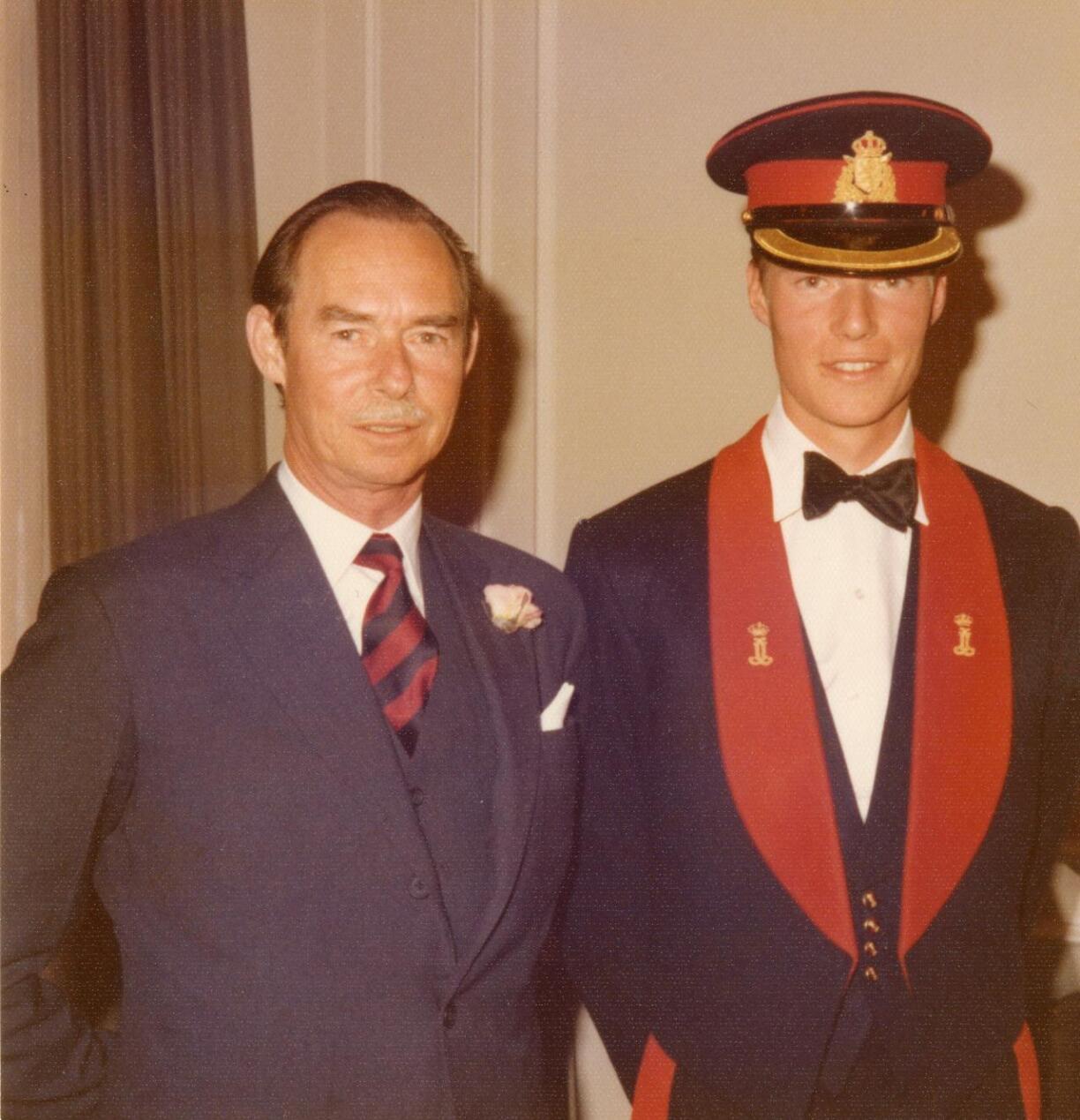
During the Second World War, he and the rest of the Grand Ducal family were exiled abroad, which led to Jean studying in Quebec at the Université Laval. He volunteered to join the Irish Guards of the British Army in 1942, and was Colonel-in-chief from 1984 to 2000. He participated along with the Allied forces in the liberation of Luxembourg.
He was born on 5 January 1921 in Colmar-Berg and died in 2019, at the age of 98.
Duchess Charlotte, Grand Duke Jean's mother, was head of state from 1919 to 1964, when she abdicated.
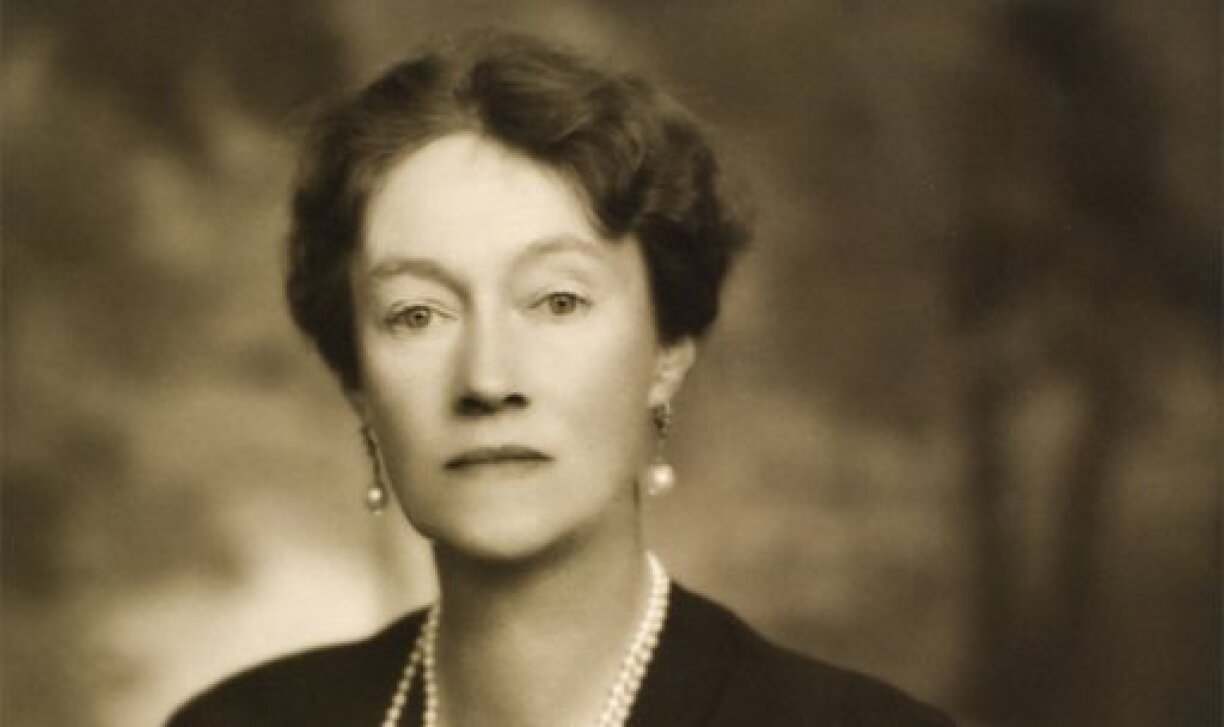
Due to the political pressure over her sister’s reign during the First World War, Charlotte was appointed as Grand Duchess in her place. In 1940, she and her family were exiled to France, Portugal, Great Britain and North America. During her exile, she was particularly appreciated for the messages broadcast to the people of Luxembourg during her stay in Britain. She returned to Luxembourg in 1945.
She is the last recipient of the Golden Rose, a Luxembourgish symbol of reverence and affection, usually awarded to popes, churches and shrines.
She was born on 23 January 1896 in Colmar-Berg and died in 1985, at the age of 89. She married Prince Félix (formerly known as Prince Félix of Bourbon-Parma) in 1919 and they had six children.
Duchess Marie-Adélaïde was the daughter of Duke William IV and the sister of Duchess Charlotte. She was head of the state from 1912 to 1919.
Marie-Adélaïde was the first ruling Grand Duchess of Luxembourg. Without a male heir, Duke William IV appointed Marie-Adélaïde as Grand Duchess in 1912, to avoid a succession crisis. She was head of state during the First World War, but she was heavily criticised by the Luxembourgish people, as well as the French and Belgians, due to her support of the German forces.
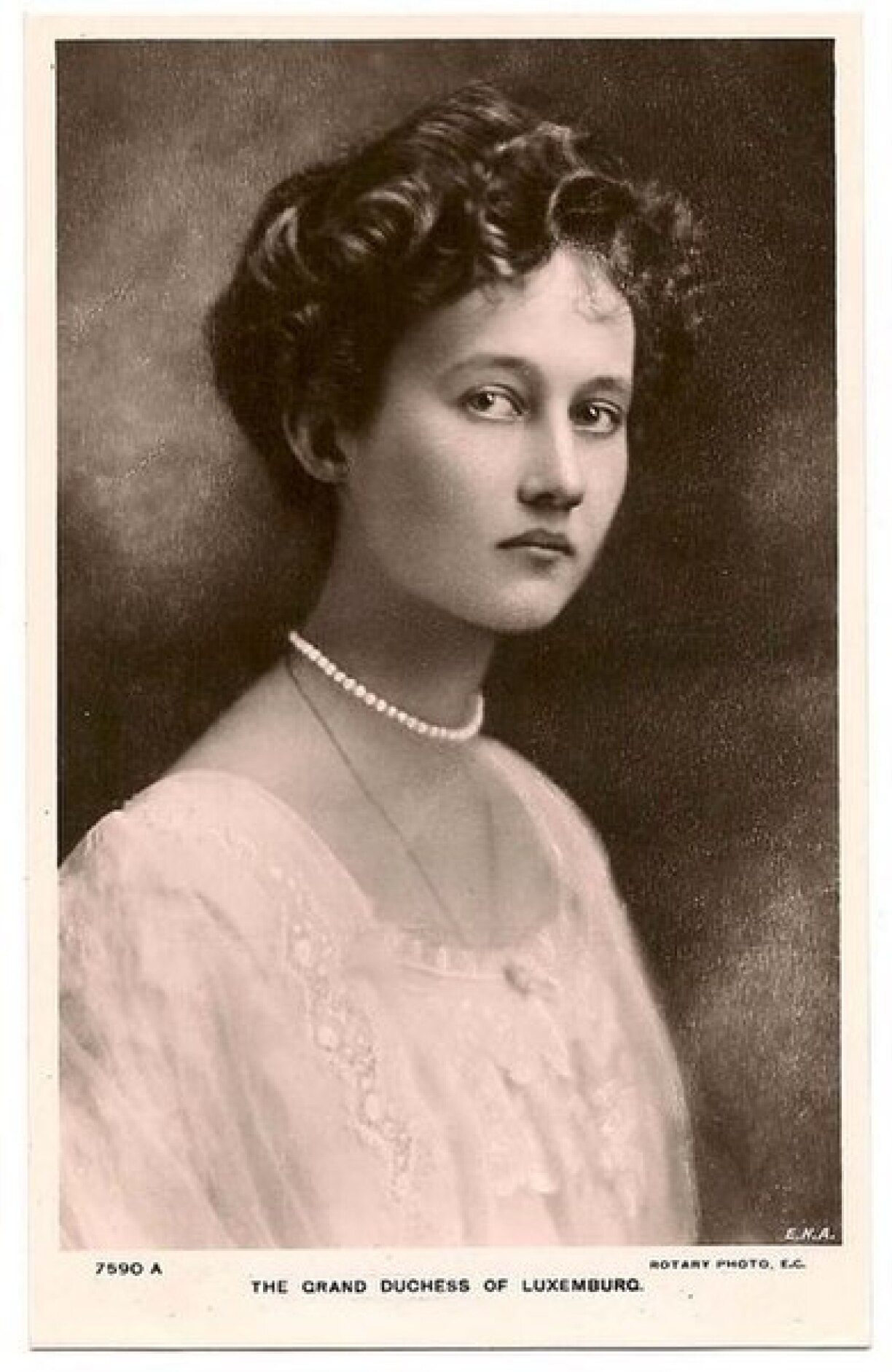
She abdicated in 1919 in favour of her younger sister Charlotte, who managed to keep the family dynasty securely positioned within the monarchy. She retired at a monastery in Italy.
Marie-Adélaïde was born on 14 June 1894 in Colmar-Berg and died in 1924, at the age of 29. She was never married and remained childless.
Duke William IV, the father of Duchess Charlotte and Duchess Marie-Adélaïde, was head of state from 1905 to 1912.
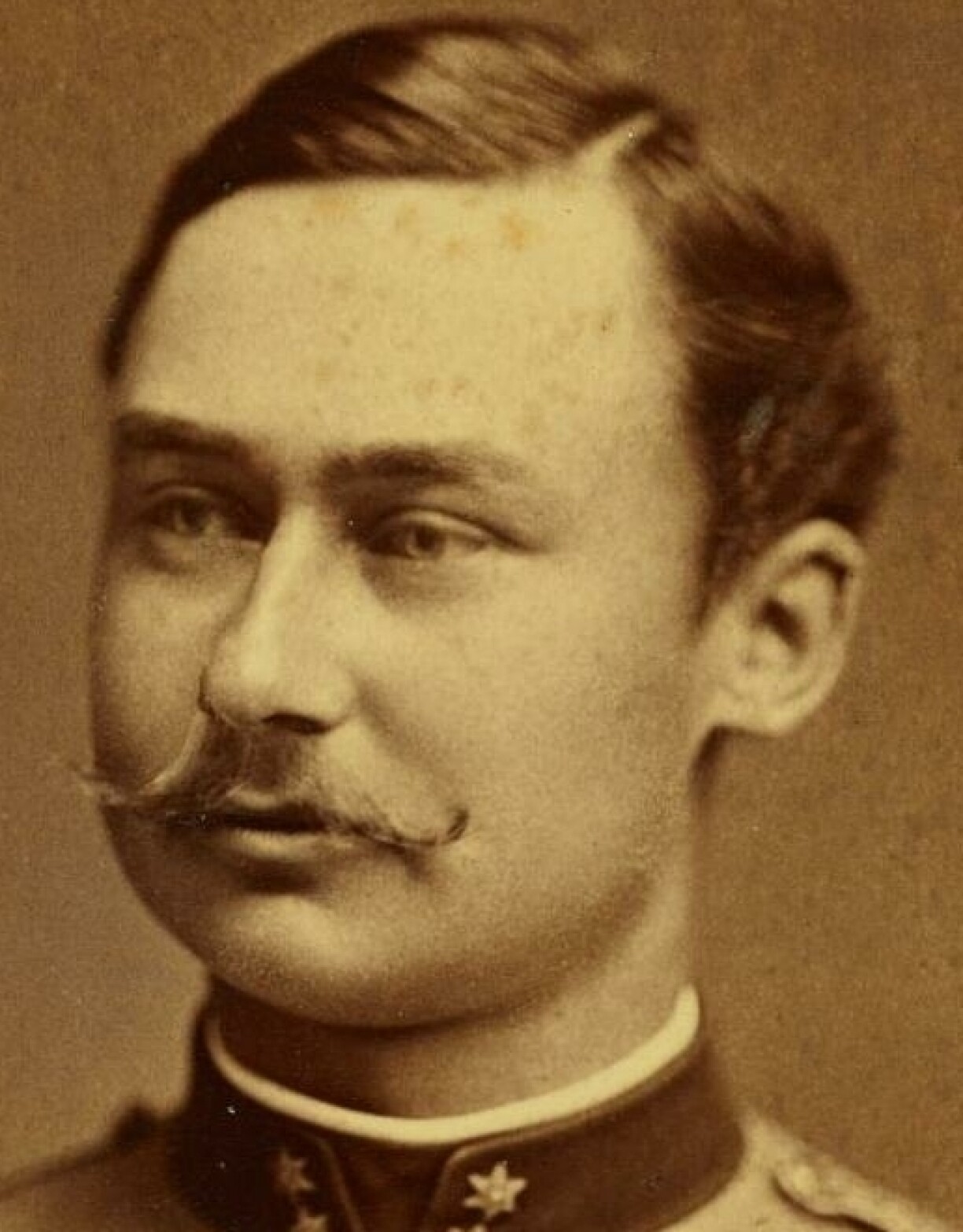
He was a Protestant, but because he believed that a Catholic country should have a Catholic monarch, he married Princess Marie Anne of Portugal. Their heirs (including their six children) have all been Catholic.
He was born on 22 April 1852 in Wiesbaden (Prussia) and died in 1912, a the age of 59.
Duke Adolphe, the father of Duke Guillaume IV, was head of state from 1890 to 1905. He succeeded King William III of the Netherlands, which marked the end of the union between the Netherlands and Luxembourg.
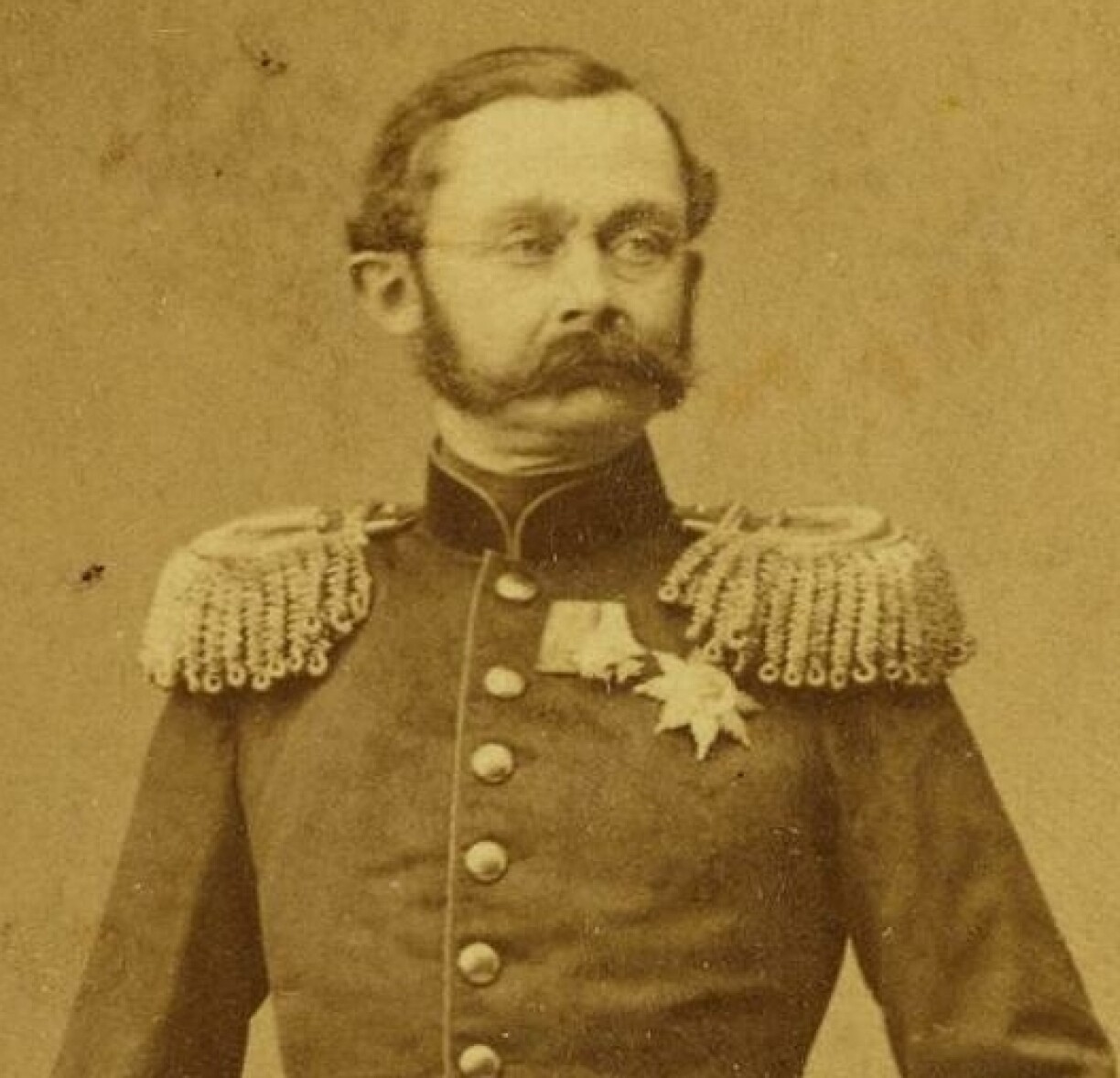
He was born on 24 July 1817 in Wiesbaden (Prussia) and died in 1905, at the age of 88. He was married twice, first to Grand Duchess Elizabeth in 1844 and then to Grand Duchess Adelheid-Marie in 1851. He had five children with the latter.





