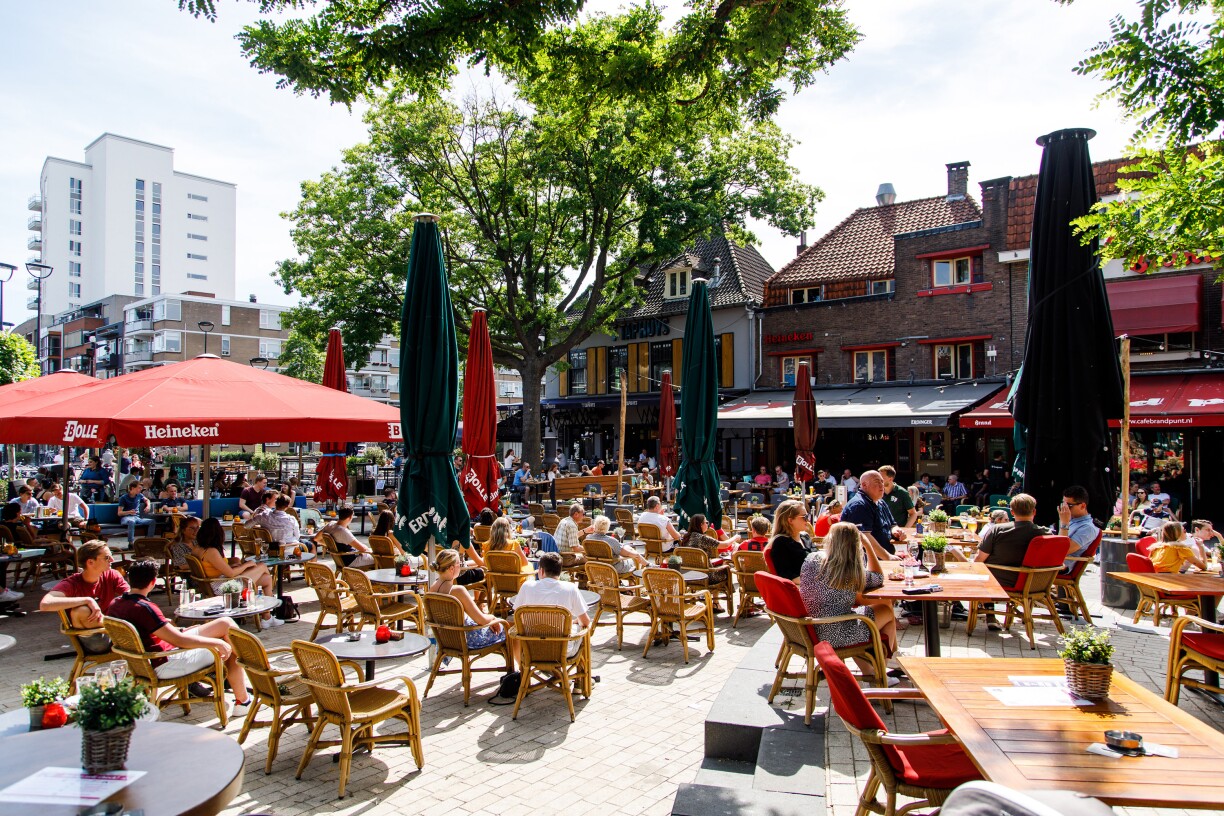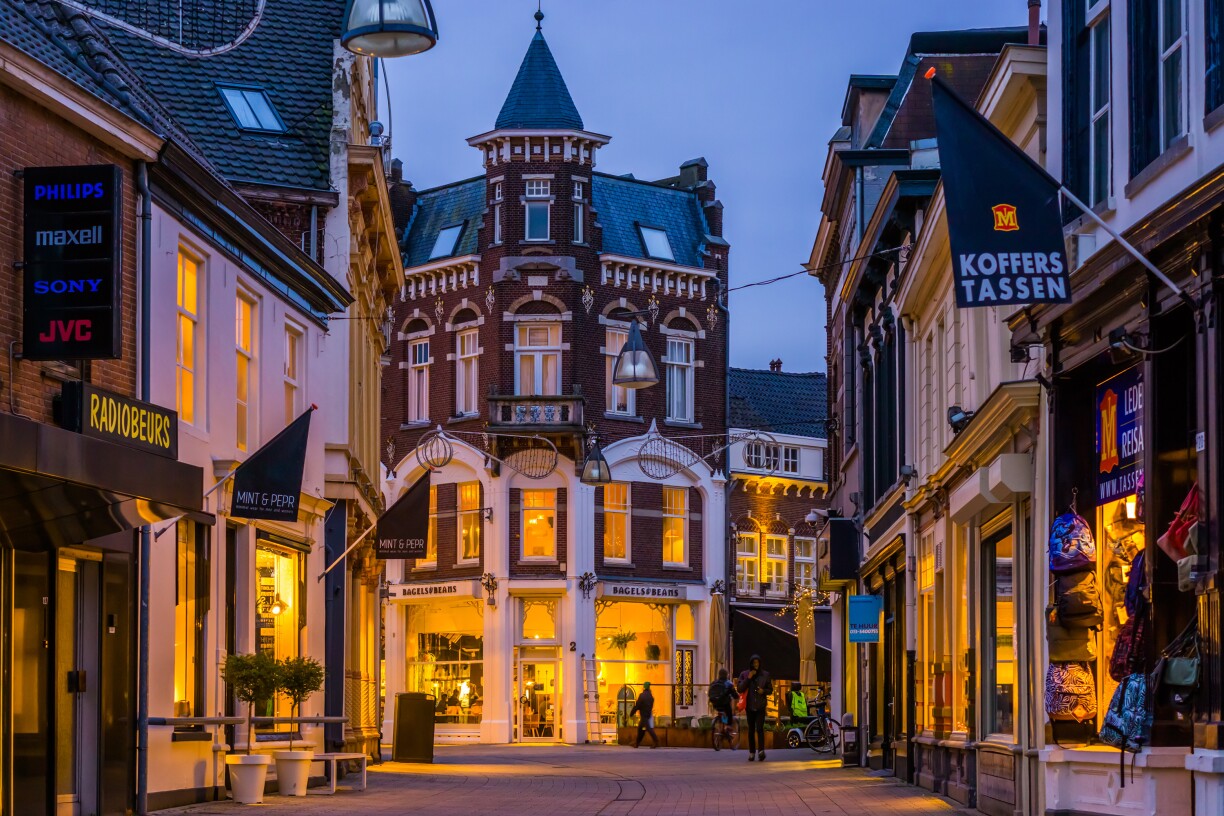
Tilburg, a vibrant city in the south of the Netherlands, is known for its artistic edge, music festivals, and dynamic student life. Historically an industrial town with a thriving textile industry, it has now evolved into a cultural and educational hub. From art installations to hip cafés, Tilburg has a youthful energy that draws in creatives and tourists alike. It’s a perfect getaway for anyone seeking a blend of culture, history, and wonderful biking opportunities.

Originally a collection of small hamlets, Tilburg grew into an industrial powerhouse during the 19th century, earning the nickname 'Wool City' for its fast growing textile industry.
The city began to shift its focus after the industry’s decline, embracing education, art, and technology.
Tilburg University, established in 1927, further shaped the city's evolution, attracting students and academics from around the world. Today, you can experience the original wool industry by visiting the textile museum.
Tilburg has a population of around 220,000 people. As a university city, it boasts a diverse and youthful demographic, with a large international student community.
Dutch is the predominant language spoken, but due to the influx of international students and professionals, you’ll hear English frequently and can easily get around.
Tilburg is home to the largest funfair in the Benelux region, known as the 'Tilburgse Kermis.' Held annually in July, the 10-day event transforms the city into a carnival wonderland, featuring over 200 rides, food stands, and games. It's an great experience for families, couples, and any friend group with a love for fun rides.
By car
Driving from Luxembourg to Tilburg is quite straightforward and takes about 3.5 to 4 hours. The journey is about 300 kilometers via the E25 highway.
Along the way, you'll pass through scenic Belgian landscapes before entering the Netherlands.
The drive is toll-free, making it a cost-effective option. However, do be mindful of traffic during weekends, specifically if you consider driving through Brussels.
By bus
There are several bus services, such as FlixBus, that offer routes from Luxembourg to Tilburg. The bus ride can take anywhere from 6 to 8 hours, depending on transfers. Tickets usually range from €20 to €40, making it one of the more affordable options, but be prepared for a longer journey.
By train
To travel by train from Luxembourg to Tilburg, you'll first need to take a train to Brussels, then switch to a Dutch Intercity train heading to Breda, and from there, hop on a local train to Tilburg. The total travel time is around 5 to 6 hours, and prices range from €50 to €90 depending on how far in advance you book. The most user friendly way to book all your tickets is through the NS international website.
Tilburg boasts a well-connected public transport system with buses and trains that make getting around the city easy. A day pass for public transport costs about €6.50, allowing unlimited travel. For shorter trips, renting a bike is a quintessentially Dutch way to explore the city. If you prefer taxis or rideshare services like Uber, a typical ride within the city costs around €10–15.