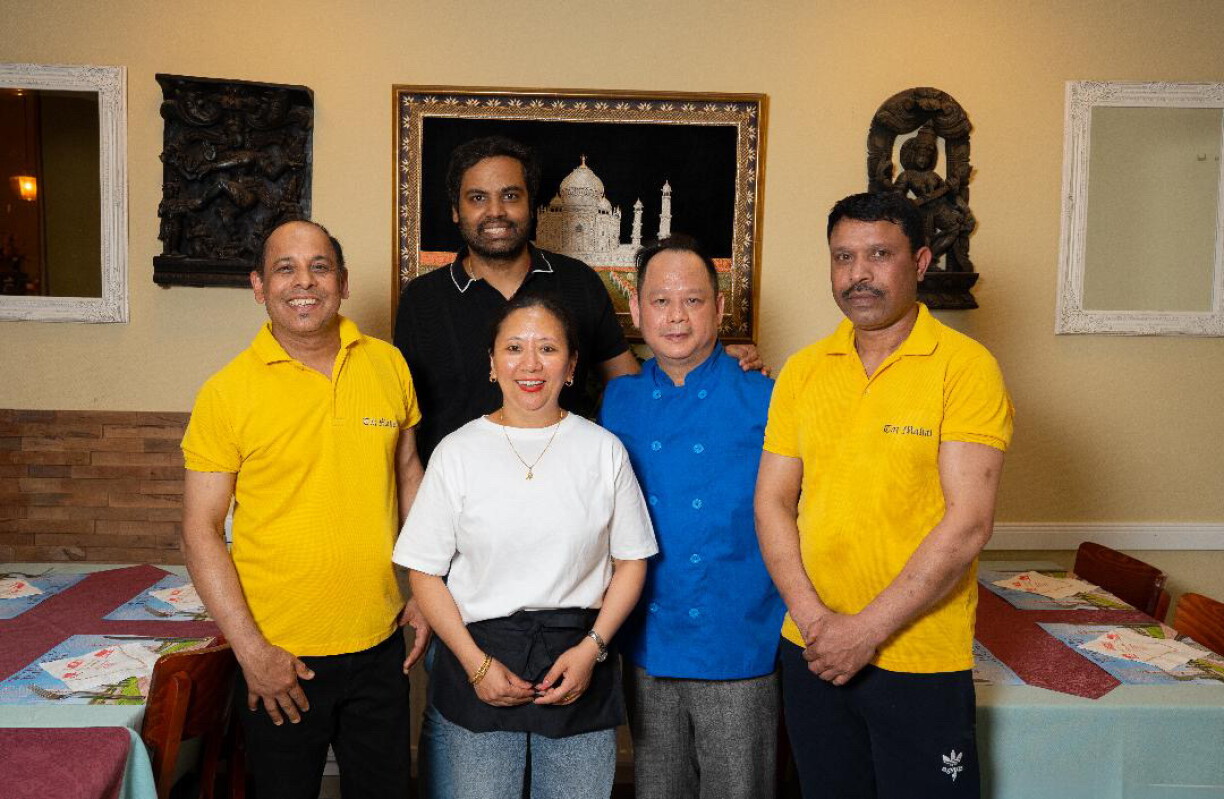
Sai Patem's takeover of Taj Mahal in Luxembourg's Gare district came with an unexpected asset: generations of customer loyalty. One couple, he recalls, first visited the restaurant 25 years ago and still returns to the same table for the same dish, now with their grown daughter. Those loyal customers are at the heart of what he hopes to preserve.
But keeping them coming back requires more than nostalgia. Patem, who operates multiple Indian restaurants in Luxembourg, knows the pressures facing the hospitality sector. His objective, he says, is to modernise certain aspects of the business while retaining what long-time customers value. "We are rooted in tradition, but we're evolving thoughtfully," he says.
Since taking over, Patem has introduced operational changes while retaining many of the restaurant’s existing menu items. According to Patem, changes include updates to kitchen operations, interior décor and the introduction of seasonal specials. Patem says the restaurant has also reviewed its sourcing practices, allergen information and hygiene controls.
The owner says they import select spices, blends, and pickles directly from India.
Yet adapting to Luxembourg means navigating varying spice preferences. "We keep core recipes authentic but adjust spice levels and textures to accommodate different tastes," Patem explains.
The kitchen team includes chefs from diverse regional backgrounds that collectively shape a menu inspired by Punjabi, Kashmiri, and Mughlai culinary traditions.
Additionally, a South Indian chef from Krishna Vilas – Patem's other restaurant venture – works part-time to bring South Indian specialties to the menu, including chicken Chettinaad and Dindigul biryani.
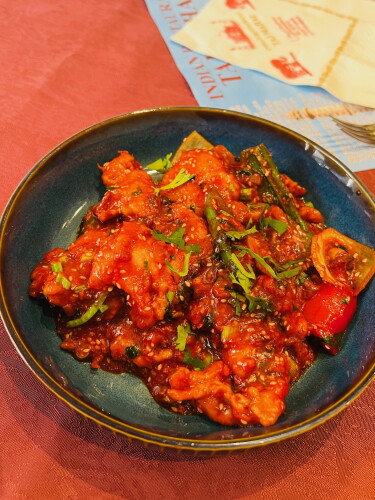
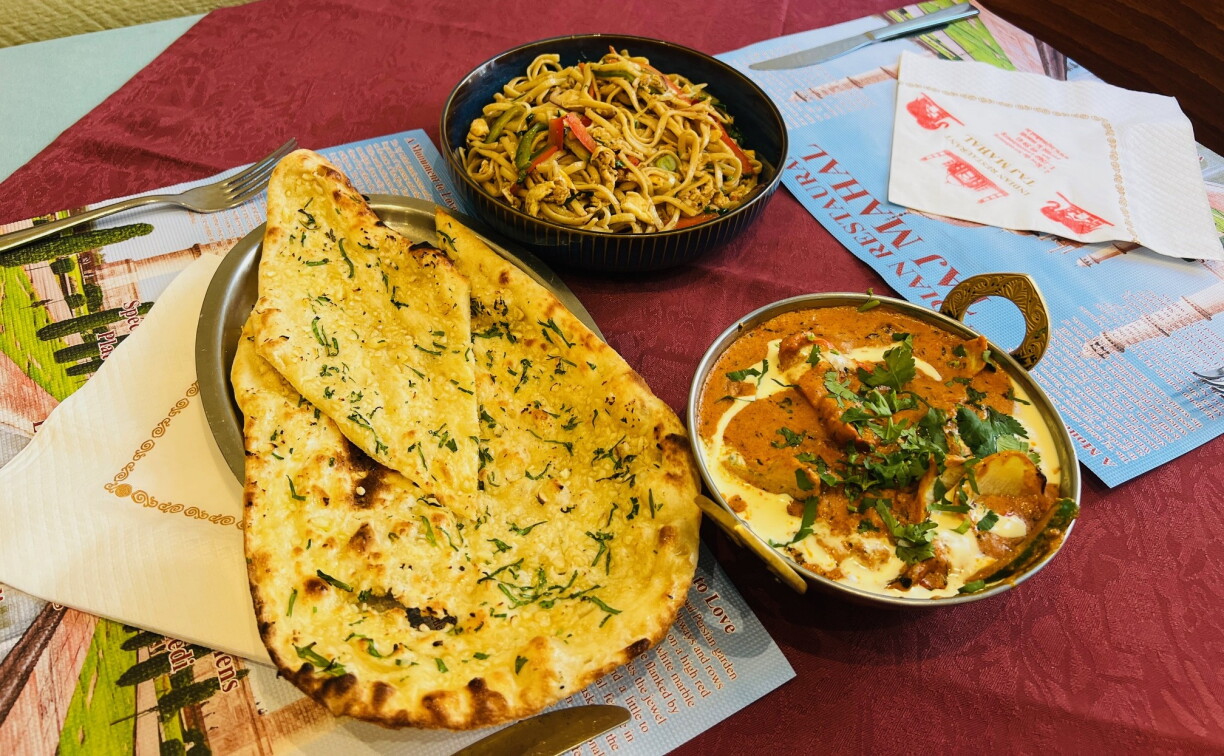
Patems says popular dishes include the lamb rogan josh, butter chicken, garlic naan baked in the tandoor, and in-house biryani. However, Patem's ambition is to introduce diners to lesser-known Indian dishes, moving beyond the predictable Indian food playbook.
Patem has added weekend specials featuring Indian-themed brunch and regional thalis – large steel platters with several small bowls of breads, rice, curries, lentils etc.
Patem says he wants customers to spend time dining without pressure. He says the restaurant encourages guests to linger for hours eating, drinking, and enjoying the atmosphere, unlike establishments focused on table turnover.
When asked what dish best defines a true Indian restaurant, Patem points to biryani. "Getting the rice texture, layered flavours, and moisture balance right every time requires precise timing and temperature control, it is harder than people think," he says.
Patem says they rely on standardised recipes, regular staff training, daily mise en place checklists, temperature logs, supplier vetting and routine taste tests by senior chefs as part of its operational procedures.
During peak service, a kitchen team of six to eight staff members work in clearly defined roles, ranging from tandoor specialists to dedicated biryani specialists.
Like much of the hospitality sector, the restaurant faces mounting inflation.
"Rising food and energy costs squeeze margins and competition for experienced kitchen staff remains high," Patem explains.
These pressures force difficult choices. Rather than raising prices significantly, which could alienate returning customers, the team has focused on cross-training staff, streamlining operations and improving working conditions to retain talent.
Situated in the Gare district, the restaurant attracts foot traffic from commuters, residents and tourists, but presents challenges: fluctuating off-peak activity, parking limitations, high rents, and safety concerns.
However, Patem believes the area's safety situation has improved in recent years and is on an ongoing upward trend. These factors add another layer of complexity to running a long-standing business in a rapidly evolving urban environment.
Patem sees the growing presence of delivery platforms as a silent profit-eater, particularly for businesses focused on keeping costs low for customers.
While they increase visibility, high commission fees often cut into margins, amounting to around 25–35% per order, depending on the platform.
Beyond costs, food quality in transit is harder to safeguard. A naan that leaves the kitchen soft and freshly baked can turn dry or cookie-like if the delivery partner is delayed by multiple drop-offs on the way – an issue beyond any restaurant’s control once the food is handed over to a third party.
Patem says despite being listed on all major delivery apps, direct orders via phone, website or takeaway remain the more desirable option for most restaurants.
Patem's vision for the next decade centers on strengthening Taj Mahal's position as a local institution with repeat clientele. Plans include expanding the menu with seasonal and vegetarian offerings, enhancing digital ordering and reservation systems, and exploring catering or a second location if demand supports it.
As Luxembourg's culinary scene evolves, Taj Mahal's challenge, like many established restaurants, is balancing tradition with relevance for a new generation of diners.





