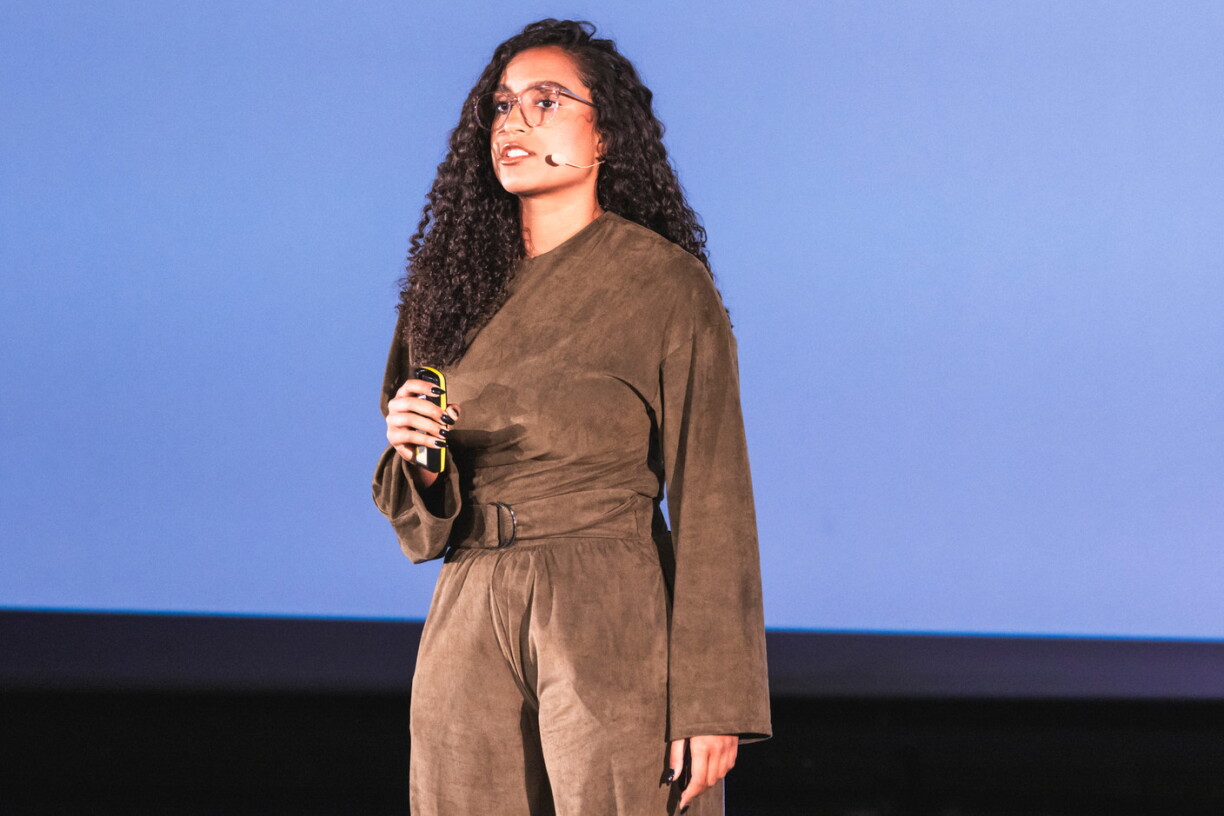
If you’re a long time or regular listener to my show, you’ll know that advocating for the neurodiverse community is one of my passions. It’s probably the theme that has shaped my entire adult life since becoming a mother. That’s why I was delighted to welcome my next guest, Nadia Kendall, to the show.
Nadia is the Director of Be Human, a Luxembourg nonprofit that is hosting a Hidden Disability Summit on 14 November at Circle City downtown. In addition to the one-day summit, it runs programmes for young adults aged 18 to 35 which are completely free. If you’re late diagnosed yourself and looking for community, or if you have neurodiverse kids and you’re wondering what life might look like after secondary school, this episode is for you.
Be Human doesn’t require a proper diagnosis, and I think that is super cool. Especially in Luxembourg, where there is often so much bureaucracy and red tape. Anyone aged 18 to 35 who feels the programme would help can apply, with no medical paperwork required. Nadia explained that most people who come to them have already done the rounds of doctors and specialists, or aren’t interested in that route at all. What they’re looking for is community and the tools to speak up for themselves. Many are recently diagnosed adults asking how to tell their family, or how to request accommodations at university or work.
Be Human offers six-month programmes built around monthly peer support groups and rights-based education. Nadia calls disability law a patchwork, and her favorite topic is privacy: if you tell a colleague, HR or the work doctor about your condition, who else is allowed to know? These are questions many people, especially expats who haven’t been here long, have never had answered. The programme takes about four hours a month, mostly on Saturdays with a Thursday evening option, and it is free, funded through the European Social Fund during its current pilot phase.
We also talked about the transitions that catch people off guard: high school to university, university to work, or simply moving out and managing daily life without the structure of school. Some participants join during a gap year because they aren’t ready for university yet and want to prepare.
We touched on parent advocacy, the long waits for specialists in Luxembourg, and why Be Human has deliberately focused on adults while pointing parents towards other organisations. And we covered the sunflower lanyard, originally from the UK, and now available at Luxembourg Airport. You simply ask at the info desk, with no explanation needed.
You can meet the people behind the work in person. Be Human’s Hidden Disabilities Summit takes place on Saturday, 14 November, at Cercle Cité in Luxembourg City, from 9am to around 6pm. It was designed with the disabled community, so you can drop in and out rather than sit through a full day. There is a quiet room, fidgets and noise-cancelling ear defenders.
The day opens with Paul White, co-founder of the Hidden Disabilities Sunflower, flying in from the UK, followed by Jane Green of SEDs Connective, a charity linking neurodivergence with hypermobility and related conditions. Later come panels with neurodivergent founders, employers who are putting inclusive workplaces into practice, and young people who have been through Be Human’s programmes. Info-Handicap, the City of Luxembourg, and local parent organisations will have information stands. As a neurodiversity advocate, I’ll be there too.
Tickets for the summit are available at behuman.lu, and through the links in the show notes. Tune in to this episode of Mom Life in Luxembourg wherever you listen to podcasts, on RTL Radio Sunday’s at 5, and follow @momlifeinluxembourg for more.


