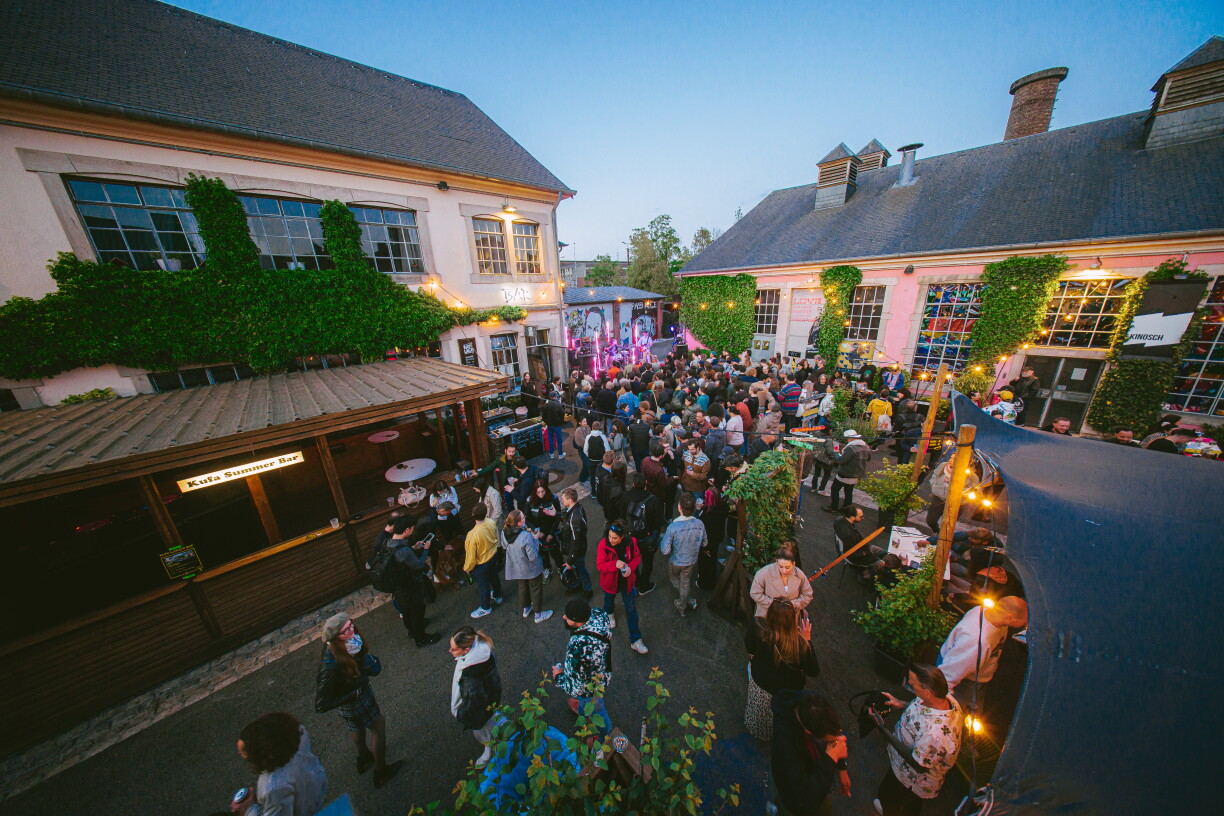
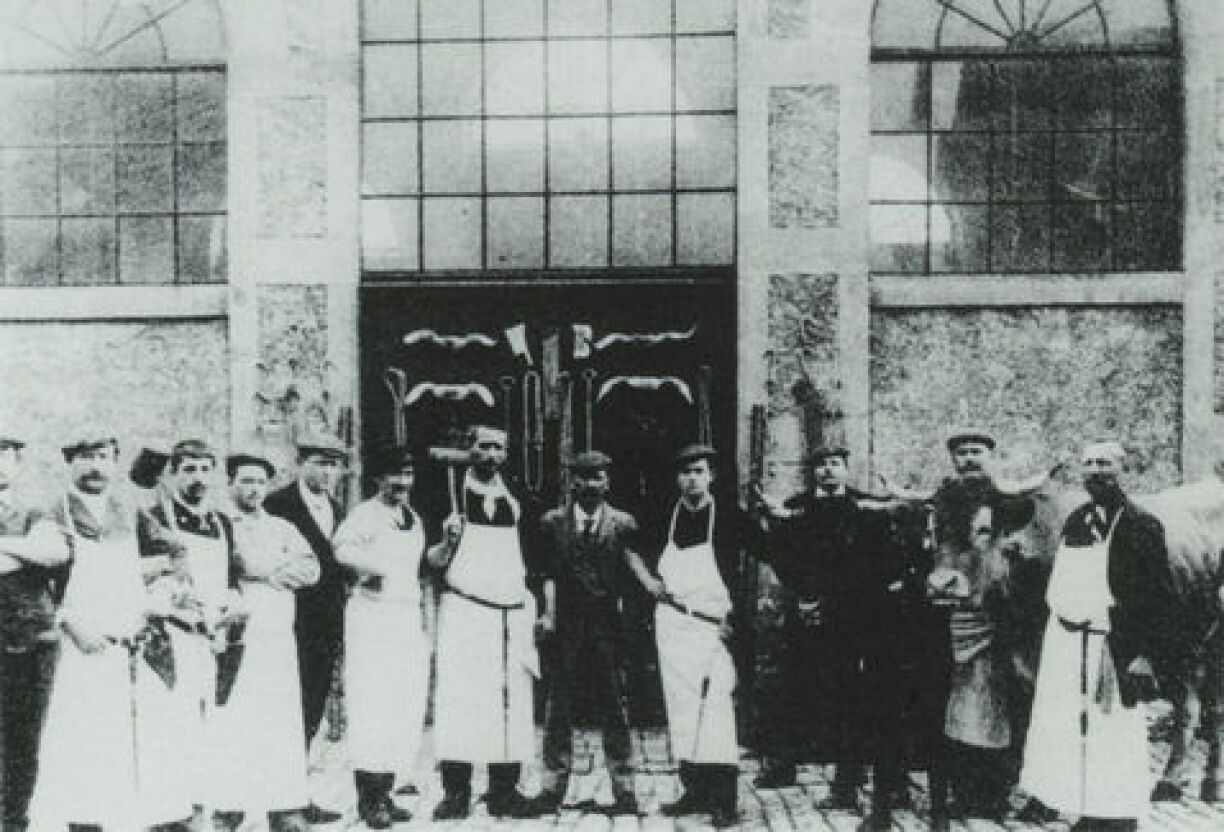
Constructed as the municipal slaughterhouse of Esch-sur-Alzette in 1885, the premises itself features the brick structures and functional elements typical of slaughterhouses of that era. Following the steel industry crisis of the 1970s, the slaughterhouse closed its doors for good in 1979.
In the 1980s, following use of what had become abandoned buildings by a high school theatre group, artists began to gather, transforming the cold storage warehouse into a rehearsal and exhibition space.
By 1983, what was titled the Kulturfabrik (KuFa) association was officially founded. The buildings were refurbished, façades repainted, a theatre-concert hall installed, and workshops created.
While diverse programming attracted hundreds of students, the association faced uncertainty, as the municipality considered selling the site for commercial development.
"This place was not meant to stay", explained Kulturfabrik director René Penning in conversation with RTL Today. "The city had other plans, so it was also this political fight for a place for underground culture in Luxembourg."
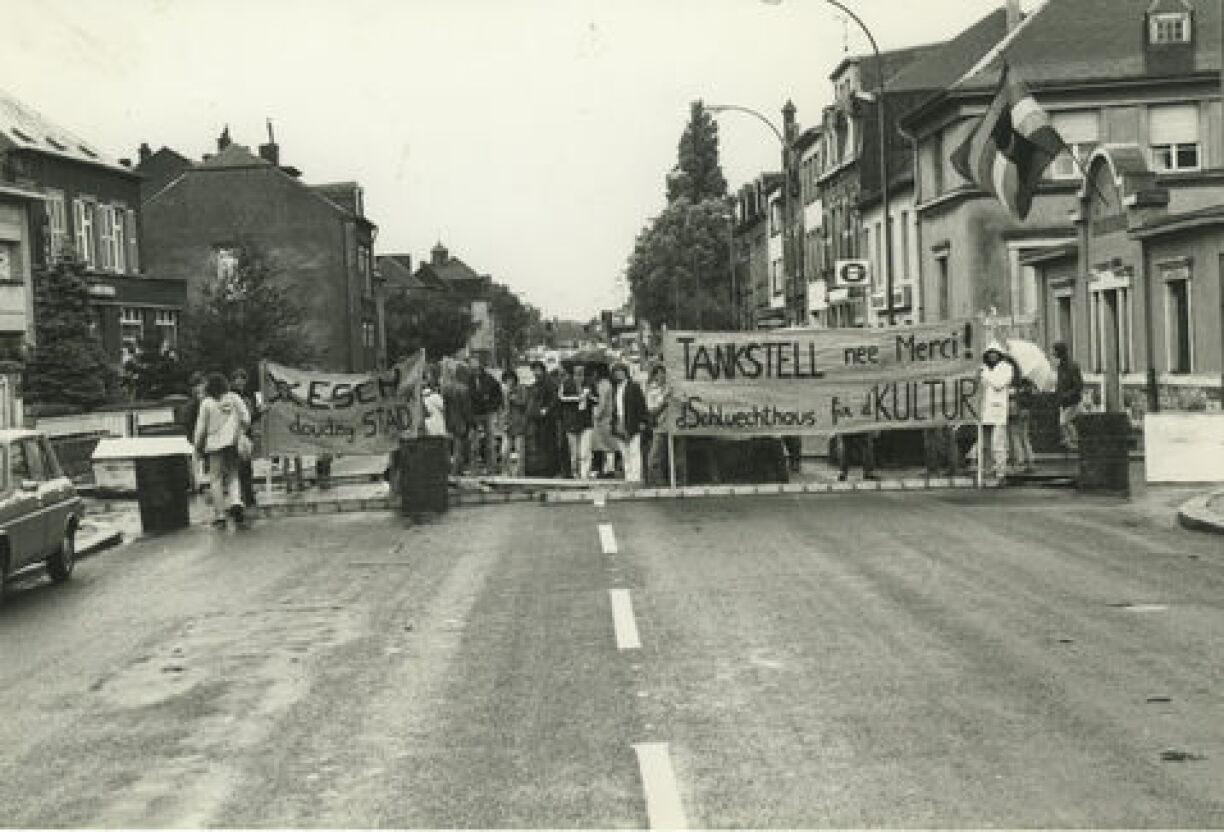
What happened next further solidified the core of Kulturfabrik's stubbornly authentic identity: Artists mobilised, organising protests that ultimately swayed public and political opinion, securing the site for cultural use. And in 1993, a study was commissioned by the Luxembourg government, with the City of Esch confirming the feasibility of Kulturfabrik's self-managed cultural centre project.
By the time Penning came onto the scene in the '90s, Kulturfabrik was a diverse collective of creative groups and individuals, operating in peaceful solidarity.
"I was 18 the first time I came here", said Penning. "It was an old building, the roofs were not in perfect shape. It looked totally different, like a very old industrial building, abandoned. It was a squat."
But far more than that, the building offered something unconventional in Luxembourg: a bit of rebellion. In contrast to Luxembourg City, which was at the time starting to see major economic growth and modernisation, what is also known as KuFa was developing cultural roots, all the while operating under its own rules.
Penning explained: "The people who founded this place were people who were very politically active in the Luxembourg cultural scene, people who were looking for a different culture in Luxembourg, a country which was very conservative at that time – even more than today."
Luxembourg's hardcore punk scene is one of the main communities that found its roots here in the '90s. But existing and rehearsing alongside them were other genres and artistic movements.
"You had a lot of different artistic disciplines, like theatre, visual arts", Penning added. "We also had a very big blues scene."
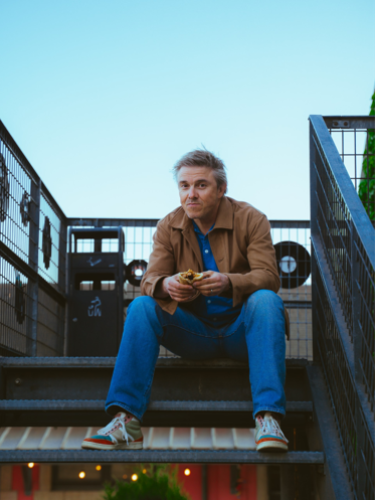
Drawn to the energy, politics, and passions of the space where fellow creatives and individuals coexisted, Penning joined Kulturfabrik in the early '90s as a volunteer, and soon immersed himself in the local punk hardcore scene, playing bass in the band Wounded Knee.
"The first concert I played in my life was here, on top of this building", he recalled during an interview at Kulturfabrik with RTL Today.
"This was really the anti-place, and that was maybe the thing which really attracted me and which also changed my life", Penning says. "It was for Luxembourg something really anti-establishment. It was totally do-it-yourself."
In the meantime, and with financial support from the European Regional Development Fund, renovation work began in January 1997. The work was designed to preserve the site's original architectural spirit.
In late 1998, the renovated Kulturfabrik officially reopened, now recognised as an autonomous cultural centre with public funding.
Already a part of the KuFa scene, Penning that same year joined a small team as a music programmer; he would later step into a more administrative role in 2006. After becoming administrative director in 2012, he was eventually named director of the institution in May 2020.
While their punk ethos has remained consistent through all the changes they've seen, becoming funded has introduced some restrictions. "Today we are an institution, and because we are funded, we have rules", Penning knows.
While the absolute freedom of being totally independent has taken a step back, and factors such as responsibility and an obligation to finances, people, and jobs need to be taken into account, the alternative spirit is alive, well, and reflected in the acts booked.
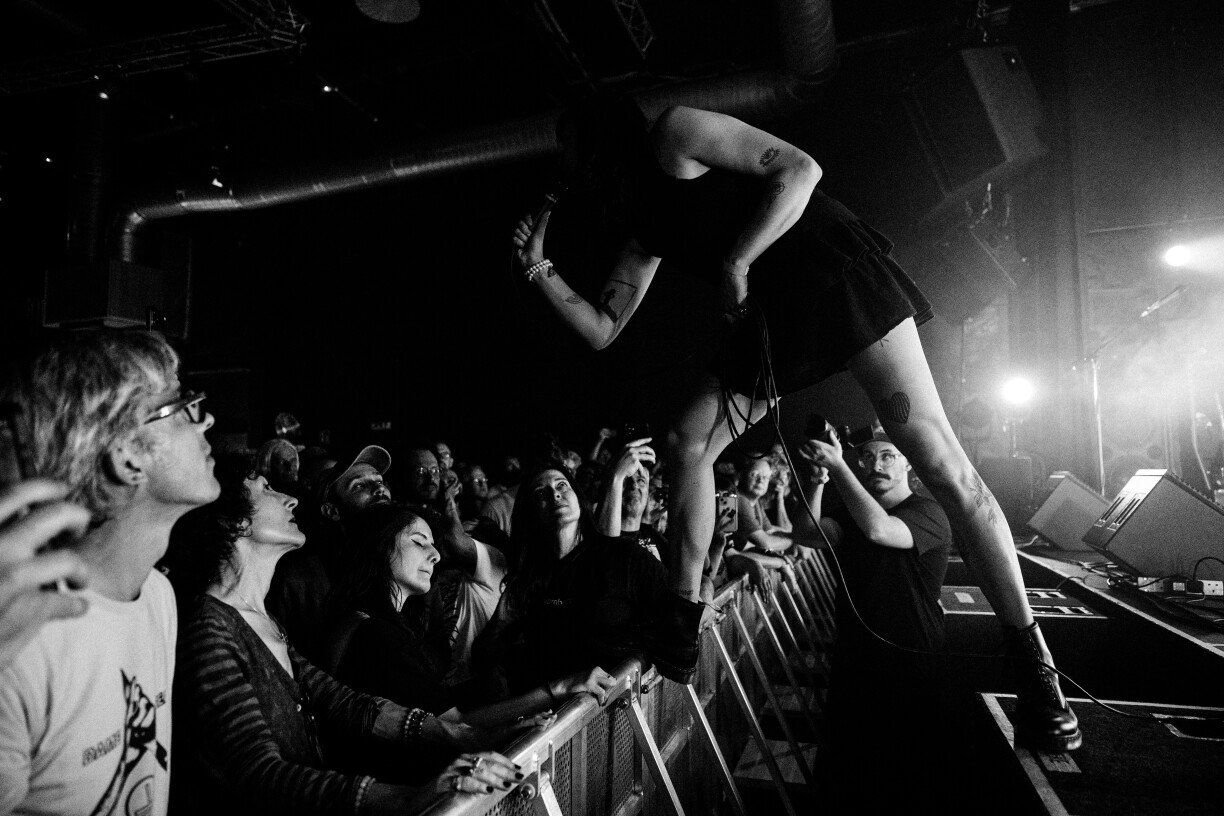
Sylvain Mengel, programme director at Kulturfabrik, elaborated on the roots of music and identity within KuFa, and what he called a long-standing connection between the two.
"As the venue originated as a squat, its identity was initially rooted in the punk, hardcore, and alternative scenes, with a strong focus on socially and politically conscious music", he said. "Today, we continue to support artists who are engaged with social, political, or environmental issues, as well as those who push creative boundaries and offer new perspectives to our audience."
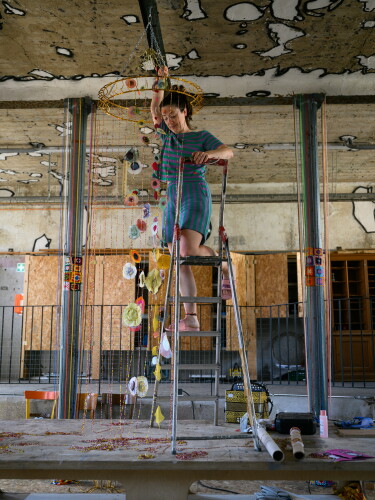
Penning agreed: "People know what our values are, where our political values are, what is important for us – how we see the world, and the artists we invite."
Their pricing reflects these values too: KuFa maintains a democratic pricing policy where many events are free of charge and ticketed shows rarely reach €30.
When it comes to genres, the type of acts brought in are particularly varied, too.
"Musically, we strive to maintain a diverse programme rather than focusing on a single genre", Mengel said. "We aim to strike a balance between emerging talents and established headliners, giving audiences the opportunity to discover new artists while also enjoying renowned acts."
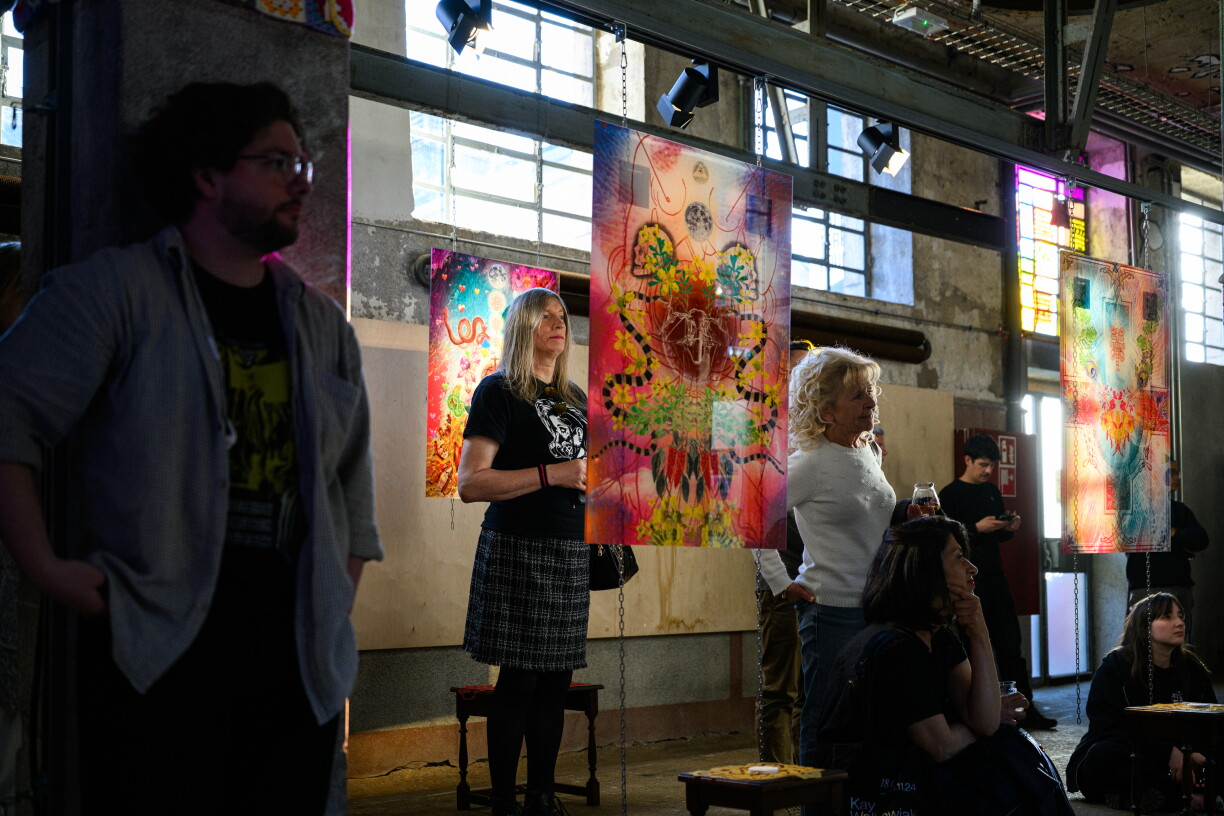
As part of its artists residency programme Squatfabrik, artists take up residence in the KuFa premises: During their residency, they are paid to work and develop their projects, without any obligation of producing a result.
One thing that many Luxembourg venues encountered is the changing face of the audience. For some acts, Penning said, the audience is made up of a high majority from across the border.
"Sometimes I leave a little bit earlier and I go to [the nearby supermarket] Cactus, and I see the plates of the cars – and it's nearly all German cars", Penning observed. "So, it depends on the acts."
With the diversification of Luxembourg's population, it isn't only those from across the border who attend. Penning recalls the recent summer bar opening, which many people attended – and the main language being spoken was English.
"This is quite new also for us because we are a little bit more French. But [the audience] is more and more English", Penning said. "So we have to really pay attention to this and how we communicate."
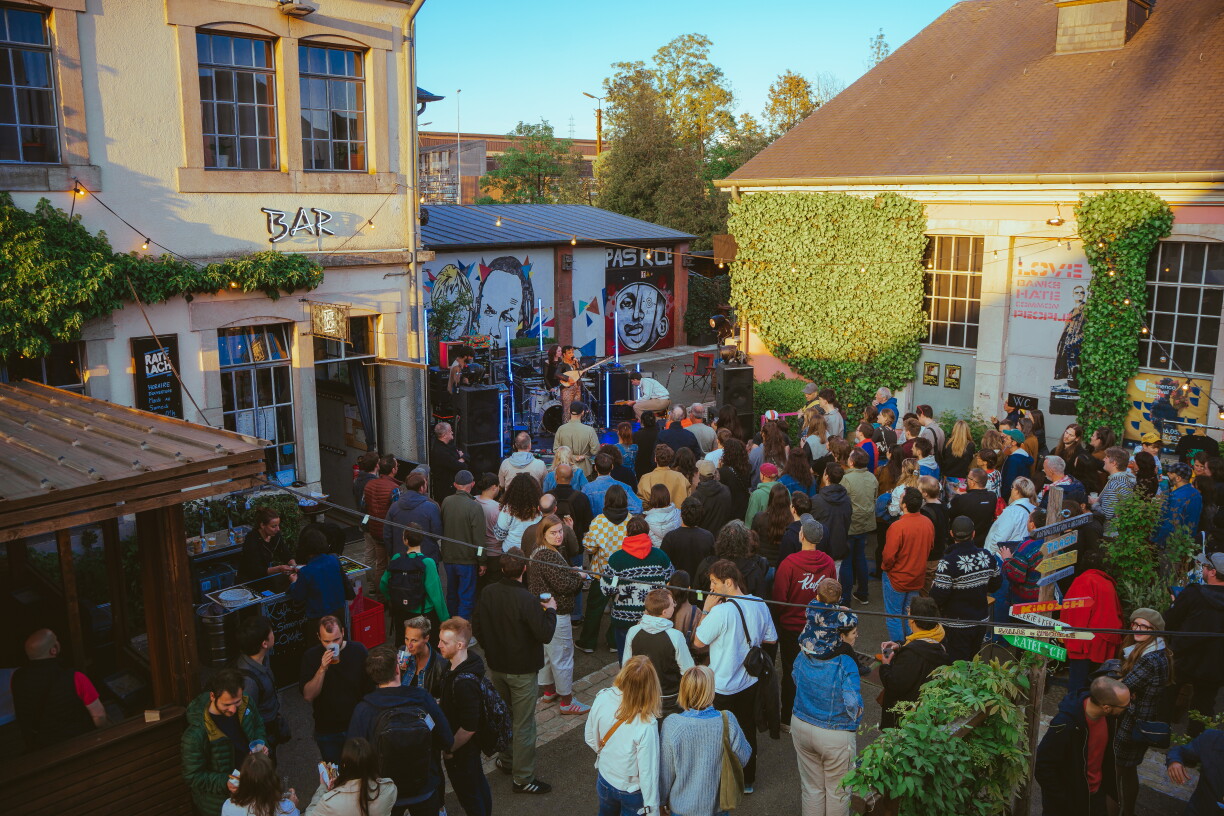
One thing the team is proud of: The mere fact that KuFa has managed to survive the past 45 years, while holding on to its ideological independence. And they have every intention of continuing its story well into the future.
Mengel said: "Our goal is to maintain a balance between continuity and renewal: staying true to KuFa's identity while ensuring that the venue remains relevant, dynamic, and open to new forms of cultural expression."
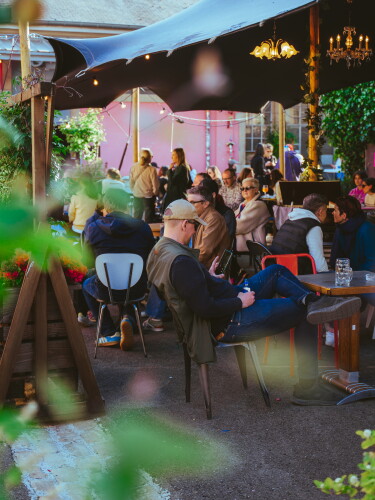
"Esch is for me the city with the most potential in Luxembourg. [But] people don't see it like this, because Esch has always had this little bit of a reputation of [being] the Bronx", Penning elaborated. "But in fact, for the next 20–30 years, this city will completely change."
One of those things is the surrounding properties, old industrial sites being turned into hectares of land for city development and expansion.
"It could be in one, two, or three years, but there's going to be a city of 10,000 people here, next to us", Penning said. "We are going to be connected with this site, but it's also a challenge, so we are also doing renovation works."
Planning for this significant renovation started in 2018 with a stock take of KuFa, which resulted in a strategic plan for 2026–2030.
"I think it's always good, as an organisation and as a human being, to question yourself", Penning noted. "Where do I stand, and where do I want to go?"
Other key areas of focus for the renovation are becoming as ecologically independent as possible, as well as making the venue more accessible and inclusive for disabled or less-abled people.
"We are working together with the city for this renovation, and work should start by the end of next year", Penning explained. "So, we'll have to move out, and we are looking for a space which we would like to activate in some form, where we still could also organise residencies."
Penning emphasised the importance of being part of the change for the future, while holding on to what makes them unique: the people they welcome, whether as artists, musicians, or the audience.
"We want to professionalise our venue so we can offer even better conditions to artists, and to really be a creation hub in the south of Luxembourg", Penning concluded.





