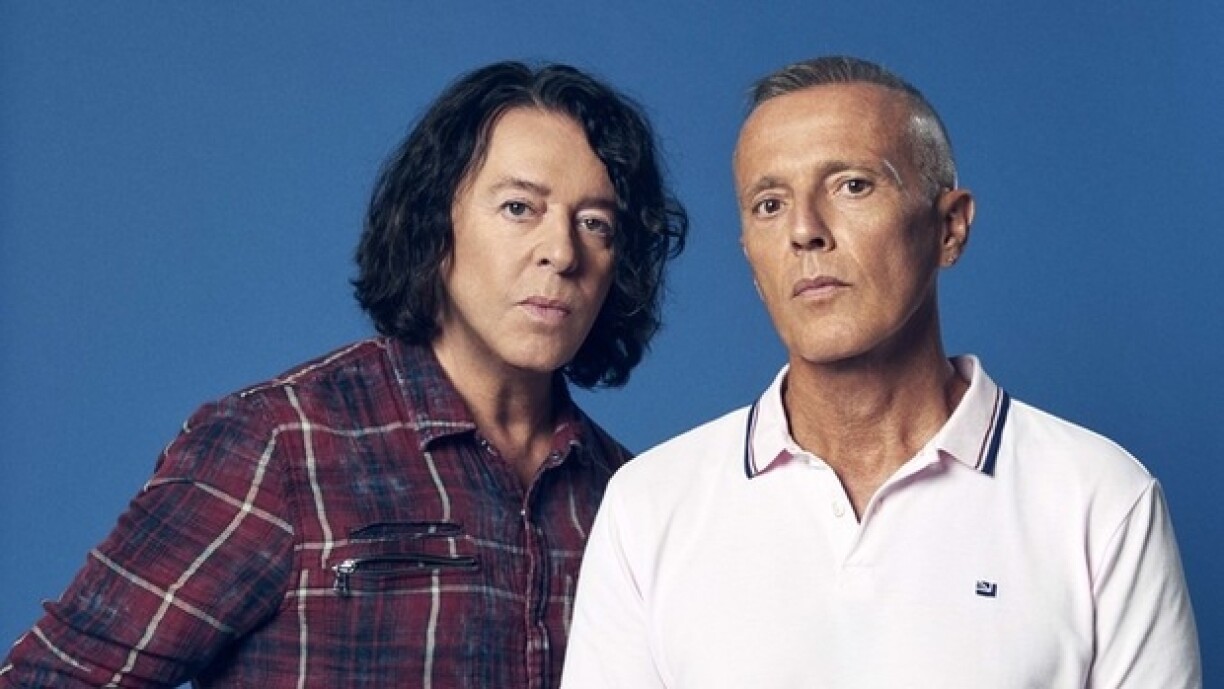
I was put in touch with Curt Smith of Tears For Fears, and pretty much jumped right into existential interrogation mode. I was only given 15 minutes so all I could was get into it ASAP, and luckily Smith was happy – and probably just used – to accommodate me. In the end, we still spoke longer than we were supposed to, and if it were up to me it could have gone forever. But alas, timetables must be met…
So first off I wanted to ask you, how would you say that your fame defined you as a person, especially considering it happened so early?
How it defined me? Wow... well I think the key is to not allow it to define you, to be honest. I think this was to a certain degree why I left for a large period of time, because the fame was defining me. I was that guy from TFF and I needed to go find out who that guy was before anything else, without sounding like an old hippie. But it was very difficult and I think fame itself is a very dangerous thing, because you end up believing your own bullshit [laughs], if you see what I’m saying. And I don’t think it’s very healthy.

And how do you manage those two sides: doing something that you absolutely love, while the process of doing it, being good and succeeding at that is something that can be very damaging?
Yeah it can be damaging, I think it’s just a balancing act. And it gets easier as you get older, without question, because you tend to do it more on your timeframe. When you’re younger you tend to be influenced more by other people, the pressures the record company and management put on you, and basically the people that earn money off you put on you, and you feel that if you don’t do what they’re asking you to do, then you’re letting them down. But they’re really not interested in you as a person, they’re interested in you as a moneymaking machine, and once you’ve worked that out then I think you can pay more attention to the stuff that’s important.
I also think having a family helps too. Once I had kids, it was the first time I had something in my life that was far more important than music; and music not being the most important thing in your life is good. It means you can turn to it when you need to, and when you want to, and I think that’s the way music should be.
I can imagine having a family would anchor you in a way that other relationships might not, it’s something that you always come back, or come home to?
I mean my wife has been an anchor for a long time, 30 years, but it’s different when you have children. It’s the first time you would jump in front of a bus for someone. You know you may say that for other people “I would do anything for this person” but you don’t know, really. But with your children you absolutely know.
So in conjunction with that what you were saying about the pressures of the music business, what would you say is the biggest challenge in the music industry today, compared to when you first started out?
I guess in some ways it’s harder, some ways easier. Harder in the sense that there is so much out there and everyone has access to everything, but to be noticed is harder, and easier because everyone does have access. Back in the time when we started you had to have a record company. You had to, because they controlled radio, which at that point was the only way people heard you, which obviously isn’t true at all anymore. Radio doesn’t matter at all anymore, because there are many other ways that people hear you. You needed a place in a physical store, and record companies controlled that as well. Now you don’t, you can just download music. The plus side is it makes it a bit more of a level playing field, you know the best stuff tends to shine through, the downside is there’s so much stuff that getting noticed is hard.
Would you say then radio doesn’t matter? Because I think I would disagree in fact, I think there was a downturn when different types of media came out, but I think radio is still going quite strong.
No, I don’t think it’s as important as it was. I think that it’s less controlled now than when we started. I mean it really was controlled by record companies, I think that is less the case now. I guess saying it doesn’t matter is a little bit of an overstatement in the sense that people listen to music in different places, but if you don’t get played on the radio today you can still do well, and that wasn’t the case before. That would be the difference.
Where do you find out about new music then? Does it just happen naturally in the music industry?
Primarily from my kids, really. They listen to so much stuff, and they always share stuff, and their friends share stuff with them… if I look at all the bands I like today, bar none, they all came from my children playing them to me first!

And does it go the other way as well? The music my parents listened to definitely influenced me.
Yes absolutely it does. Definitely, because they’ll play me a band they really like and I’ll go “oh great, that sounds really like – insert band name here – from 40, 50 years ago” and I’ll play it to them, and they get into that band. And also they tend to listen to more. My youngest daughter is 17 and she’s a big Billy Joel fan, you know, go figure! But they hear everything now, and it’s fascinating.
It’s amazing that music can cross generations in that way… So if you were starting off your career today, how would you do it?
I think it would be the same as we did back then. I think the most important thing for you as a musician/artist is to mean what you’re saying. So for me if you feel like you’re saying something valid, and you want your voice to be heard then you make music and you present that music. But other than that we’d still be in a studio, we’d still be recording, just probably now we’d put it out on the internet as soon as we’d done it as opposed to sit on for years. But I think it would be the same thing, you know I think that making music is it’s own thing, and the way it’s then released or the way it’s then marketed is a different area.
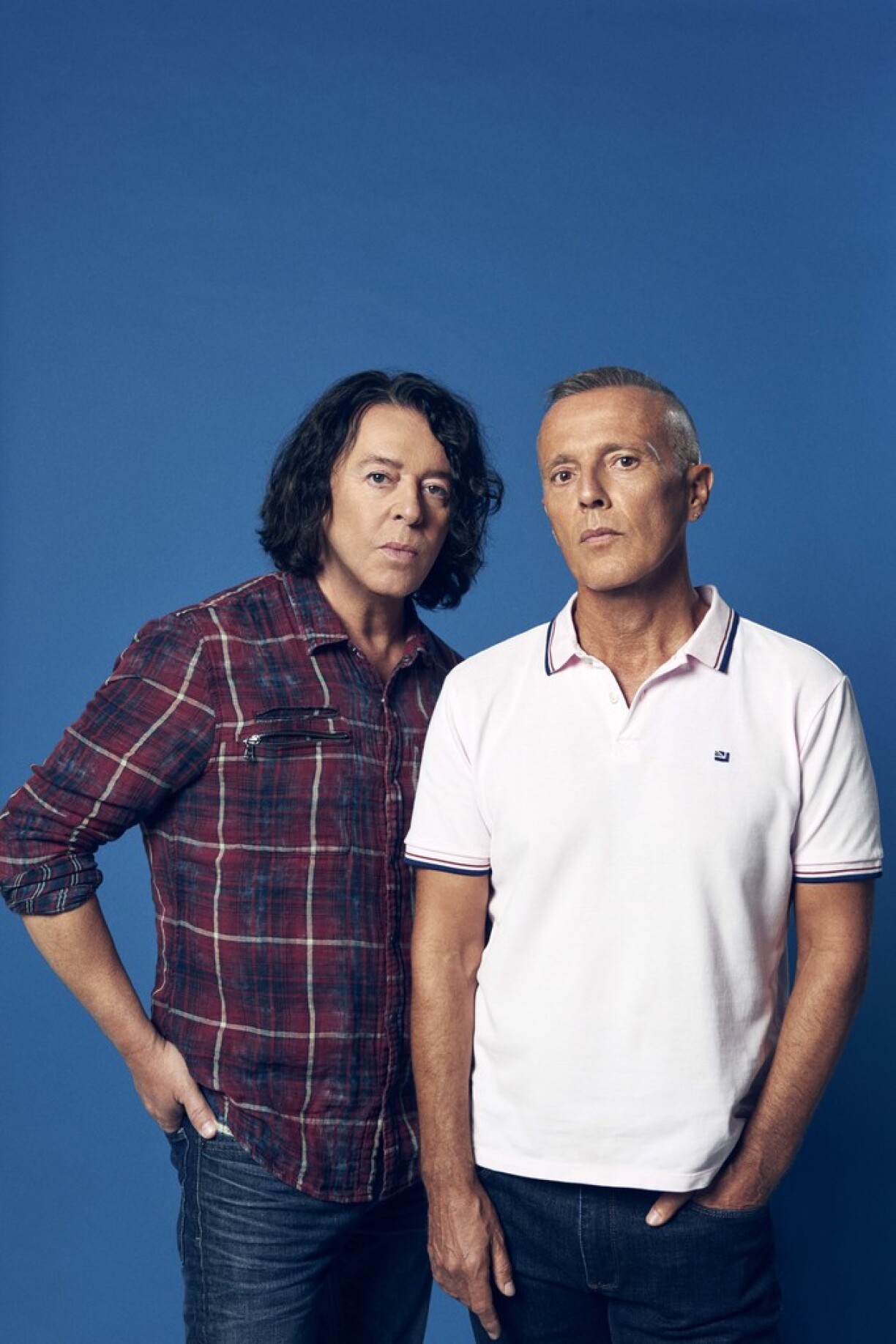
Tickets for the show at Neumünster Abbey on Tuesday 25 June are on sale now (see below link). Doors are at 7pm.
Ticket Info here
Tears For Fears Homepage
Read part two here
WIN CONCERT TIX





