This is an opinion article. The views expressed belong to the author.
Personally, I'm not entirely convinced you have. Sometimes I want a gig to be precisely that, a couple of hours in which nobody asks me to consider governments, wars, elections or the state of civilisation.
Now, if you’re heading to, say, a Kneecap show, catching Massive Attack or at the rails during Idles, you do know that there’s going to be a fair bit of anti this and pro that.
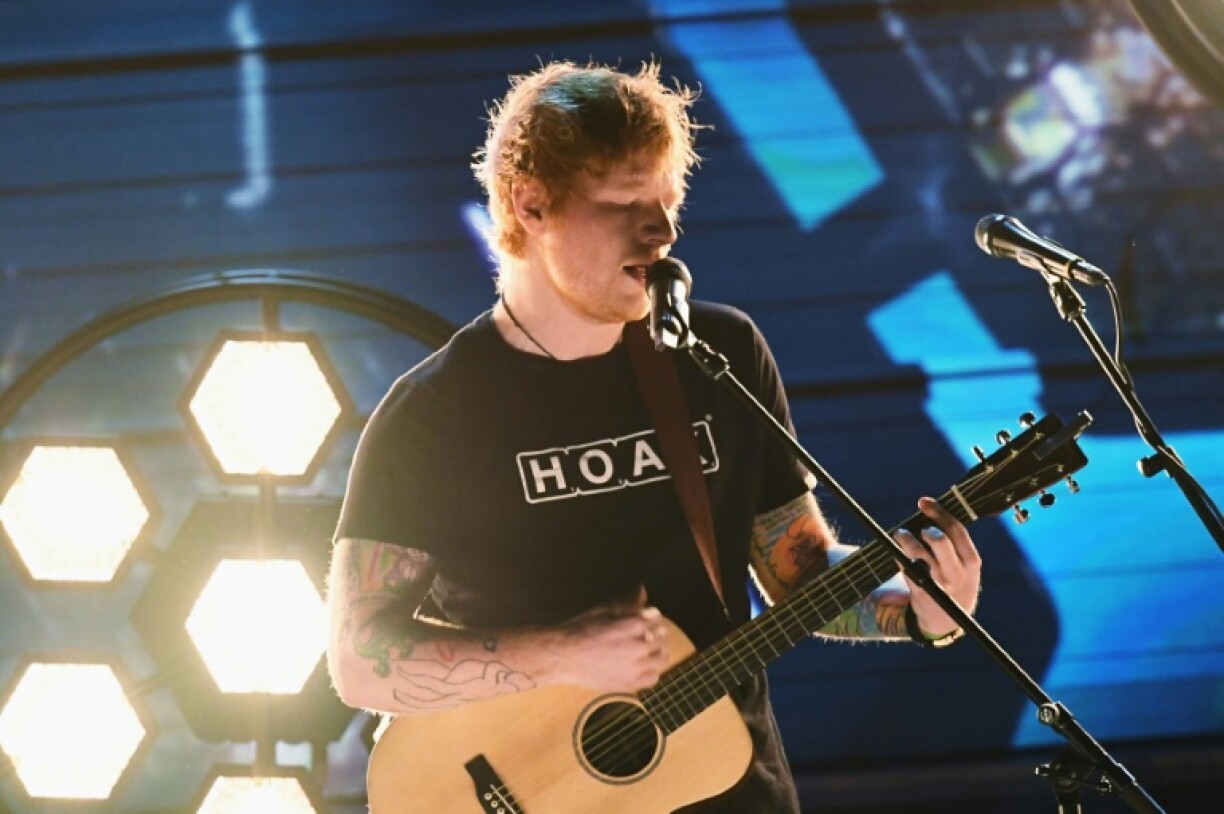
Ed Sheeran has made essentially that argument in the fallout surrounding Macklemore, saying he wants his concerts to be inclusive, largely apolitical places where people can come together. That's hardly an unreasonable position.
But there's another, more uncomfortable question sitting behind it: who gets to decide when an artist has become too political to be allowed on the stage?
That question became very real this week. Macklemore was removed from the remaining US dates supporting Sheeran after using his MetLife Stadium appearance to say "Free Palestine" and discuss Gaza.
Promoter Messina Touring Group said venues had informed them that they would not host the shows with Macklemore on the bill, potentially jeopardising dates affecting hundreds of thousands of ticket-holders.
Sheeran subsequently stressed that the decision wasn't his and that he had tried to find a solution.
Macklemore maintains that staying quiet would betray what he believes. The reaction has been extraordinary: Finneas, Lukas Graham, Aaron Rowe, and Beoga subsequently withdrew from Sheeran's tour in solidarity.
So this isn't simply a Twitter bin fire spiralling out of control and the invisible keyboard warriors pouring digital petrol over the whole thing.
Nor, is it the internet having its daily argument. Artists are sacrificing gigs and money over the principle involved – and this includes far more than the pockets of musicians themselves, we are talking sound crews, lighting techs, and all the others that help a concert magically occur.

And Macklemore is hardly operating in isolation. The aforementioned Kneecap have turned their support for Palestine into an integral part of their live identity, while artists including Fontaines D.C., Massive Attack and IDLES have publicly aligned themselves with Palestinian causes in different ways and with very different levels of confrontation.
In 2024, more than 100 acts withdrew from The Great Escape over Barclays' sponsorship, a boycott supported by Massive Attack and IDLES; similar protests spread to Download and Latitude, before Barclays suspended its sponsorship of Live Nation's Download, Latitude, and Isle of Wight festivals for that year.
Barclays disputed campaigners' characterisation of its relationship with defence companies, saying it was providing financial services and trading shares for clients rather than making investments on its own behalf.
Whatever your position on the underlying dispute, the episode demonstrated something important: musicians weren't making glib or cod political statements for the sake of headlines – or maybe they were, in an effort to drive change, or at the very least conversation.
Collectively, though, they were capable of changing a commercial decision.
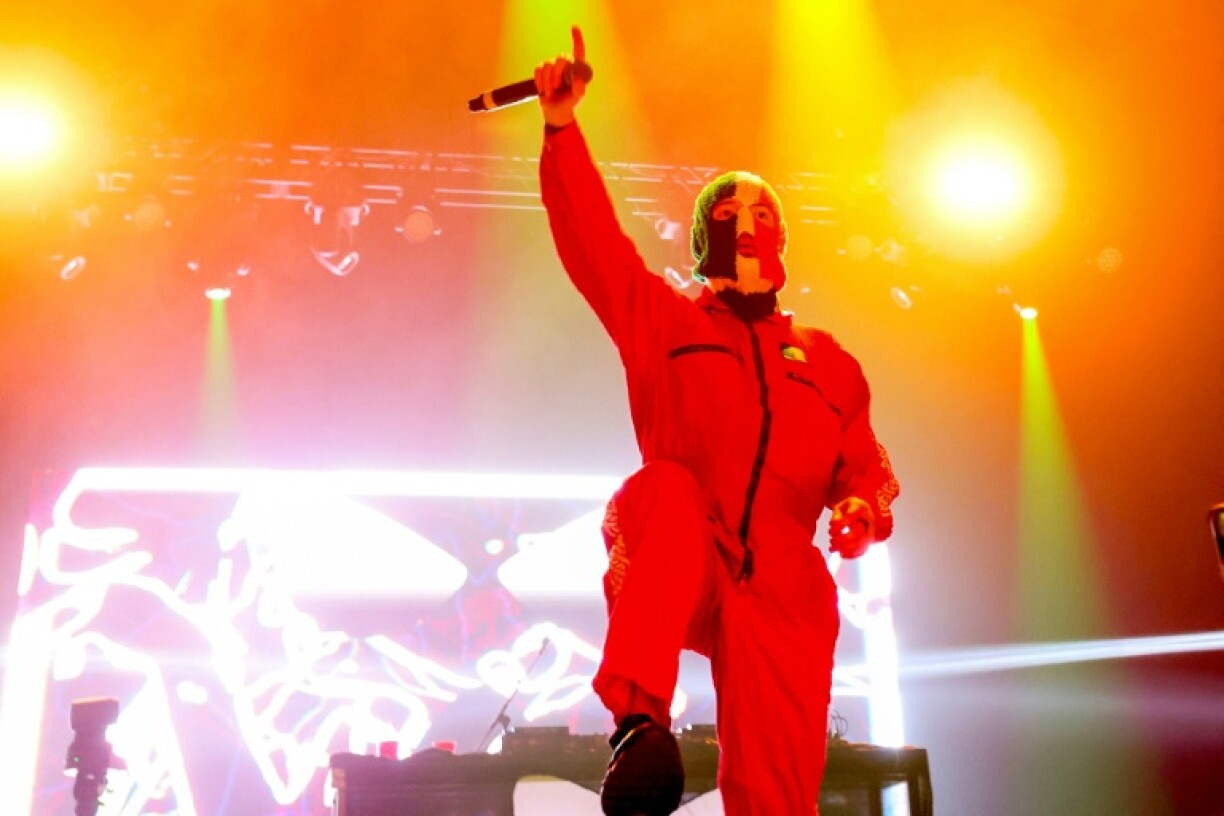
There are also limits that deserve serious discussion. Kneecap have faced cancelled shows (and VISAS) and intense criticism not simply for expressing support for Palestinians but following resurfaced footage involving remarks about MPs and Hamas and Hezbollah; the group apologised for causing hurt to the families of murdered MPs, denied supporting Hamas or Hezbollah and argued that clips had been stripped of context.
Bob Vylan's removal from Manchester's Radar Festival followed their Glastonbury chant of "death to the IDF", which prompted a police investigation and condemnation from political and Jewish leaders; the band argued that it was being targeted for speaking out.
Those cases matter because free expression does not require audiences, promoters or other artists to approve of what is expressed. Criticism is itself expression.
A promoter also has responsibilities towards audiences and staff, and speech that appears to endorse violence raises questions quite different from somebody displaying a flag or criticising government policy.
But perhaps we're concentrating too heavily on what musicians say and not enough on who now possesses the power to stop them saying it.
Rock and pop have never been politically sterile. Woody Guthrie, Nina Simone, Marvin Gaye, The Clash, The Specials, Public Enemy, Rage Against the Machine and the punk movement to name but a few, didn't politely separate art from politics.
Punk in particular was frequently obnoxious, confrontational and occasionally spectacularly ill-informed. That was partly the point. Nobody was obliged to agree with Joe Strummer simply because they'd bought London Calling.
The audience retained the right to cheer, boo, walk out, argue back or decide the next record was rubbish.
What feels different today is the enormous corporate infrastructure surrounding a major tour: stadium operators, promoters, sponsors, streaming partners and commercial relationships can all stand between artist and audience.
The Macklemore dispute therefore poses a more interesting question than whether you agree with Macklemore: should venue owners effectively be able to determine which otherwise lawful political opinions audiences are permitted to hear from a performer?
There is an equally important argument on the other side. A support slot on somebody else's stadium tour isn't your own political rally.
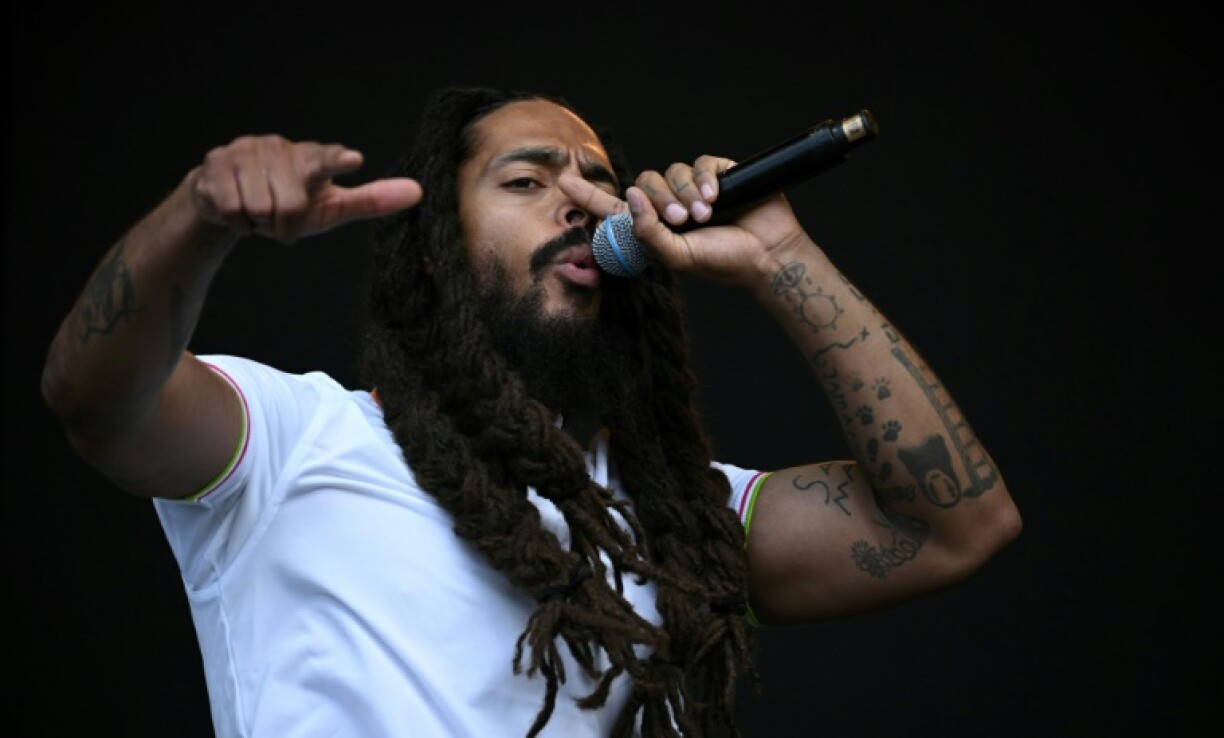
Audiences bought Ed Sheeran tickets, not admission to a seminar on the Middle East, and an artist invited into somebody else's show arguably inherits some responsibility towards the atmosphere that headline artist is trying to create.
Musicians also possess enormous platforms without necessarily possessing any particular expertise in geopolitics. Being able to write an extraordinary album doesn't automatically make somebody an authority on foreign policy.
P!nk and guitarist Joe Bonamassa were among those who criticised aspects of Macklemore's intervention, while Foo Fighters guitarist Chris Shiflett defended his willingness to speak out.
That disagreement is arguably healthier than pretending musicians suddenly acquire diplomatic credentials with their first platinum record.
And perhaps that's where the argument becomes less about music and politics than music and power.
I don't need an artist to tell me how to think. I don't particularly want every concert interrupted by a political lecture, ‘shut up and play the hits’ and all that.
And audiences should remain completely free to reject an artist's politics without surrendering their appreciation of the music. But I'd be considerably more uncomfortable if the alternative were artists deciding that certain subjects are simply too commercially dangerous to mention because a sponsor, promoter, billionaire or stadium owner might object.
Free expression doesn't promise applause, a festival booking or freedom from consequences. Nor does it mean every statement deserves defending. But music has always contained dissent, stupidity, courage, anger, protest and ideas we profoundly disagree with.
Perhaps the healthiest arrangement is still the messiest one: let artists speak, let audiences answer, and be very wary when the people deciding what can be said aren't standing on the stage or in the crowd, but sitting in the boardroom counting the pennies.





