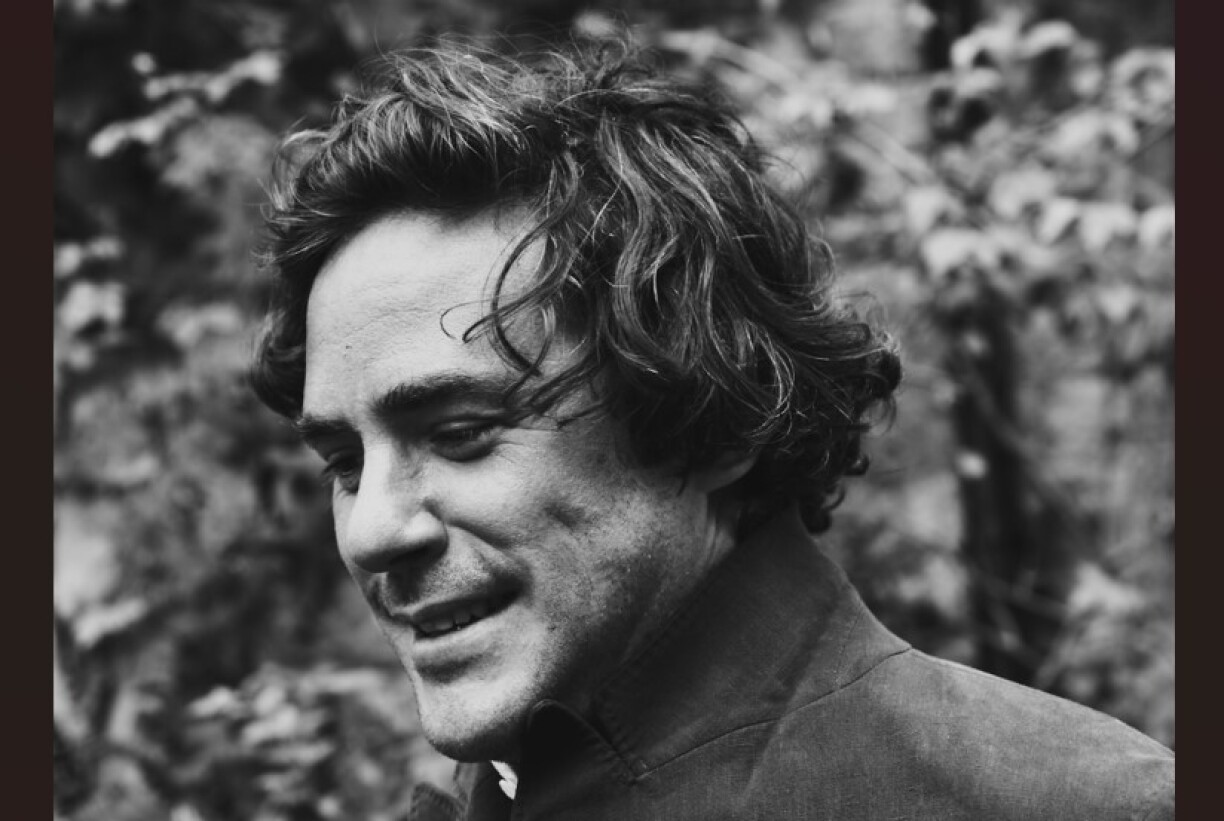
With his upcoming album We Will Always Be the Way We Were on the horizon, Savoretti spoke to RTL Today Radio's Steps (via Zoom) about instinctive songwriting partnerships, creative identity, and why some of the most meaningful songs come from simply asking why he still makes music after two decades in the industry.
You can listen to part one of the conversation here.
Rather than chasing high-profile names, Savoretti says collaboration has always been about timing and authenticity.
One of the album’s most personal tracks, “Only Gonna Cry For You,” came together after meeting singer-songwriter Steph Fraser backstage at a solo show. Within weeks, they were writing together in his Oxfordshire studio, “I feel like we’d earned the right to write a song like that” he says.
The duet “Tempting Fate” with KT Tunstall grew out of a long creative connection stretching back to the mid-2000s London music scene. Savoretti wanted the song to reflect both masculine and feminine perspectives on temptation, not as contrast, but as equal voices.
Tunstall’s contribution Jack says were exactly what the song needed: strength, soul, and presence. He also labels her a legend. And he has a point.
Another collaborator on the record is Miles Kane, whom Savoretti describes simply as “like a brother.” Their friendship began in typically rock-and-roll fashion, alongside a certain James Blunt, during a night Savoretti promises to fully explain someday.
The trio jokingly assigned themselves roles: Savoretti as Dean Martin, Kane as Sammy Davis Jr., and Blunt confidently claiming Frank Sinatra. The story, he laughs, is best saved for another tim, but the friendship stuck.
The song “Do It For Love,” written with Kane, grew out of a simple midlife conversation between two musicians questioning why they still do what they do.
The answer, it turned out, was uncomplicated, “I guess", he says "we just do it for love.”
Savoretti is aware that his distinctive voice is often the first thing listeners notice, something he accepts with wry humour.
He describes his singing style as intense and impossible to treat as background music, comparing himself to “the loud Italian at the table.” Even his children have noticed.
“You don’t sound like anybody else on the radio” was some feedback received from his son. Jack says, "intitially felt like a compliment worth keeping", only for the kick to the shins to follow... "NO, you are so LOUD".
That individuality, however, is something he now embraces rather than questions.
While previous albums leaned into strong themes and storytelling concepts, Savoretti says this record is different. Instead of constructing a narrative world, he focused on honesty, writing from direct experience as a 42-year-old navigating life, memory, and change.
Rather than trying to speak universally, he chose to speak personally.
That shift, he explains, came after realizing that the music he needed to hear during moments of grief and reflection often came from older artists revisiting their own lives.
This album became his way of doing the same, the act of documenting a personal moment rather than designing one to fit an ideal.
As Steps' and Jack's conversation winds down, the conversation briefly drifts from songwriting to style, including a bit of “sweater envy” over Savoretti’s knitwear (it's from a store called Peregrine, and is as Jack says a typically Cornwall style surfer's choice knit).
Two decades into his career, Jack Savoretti is still asking questions about music, identity, and purpose. The difference now is that he’s comfortable letting the answers arrive naturally, often through collaboration, conversation, and experience.
And sometimes, simply through love.






