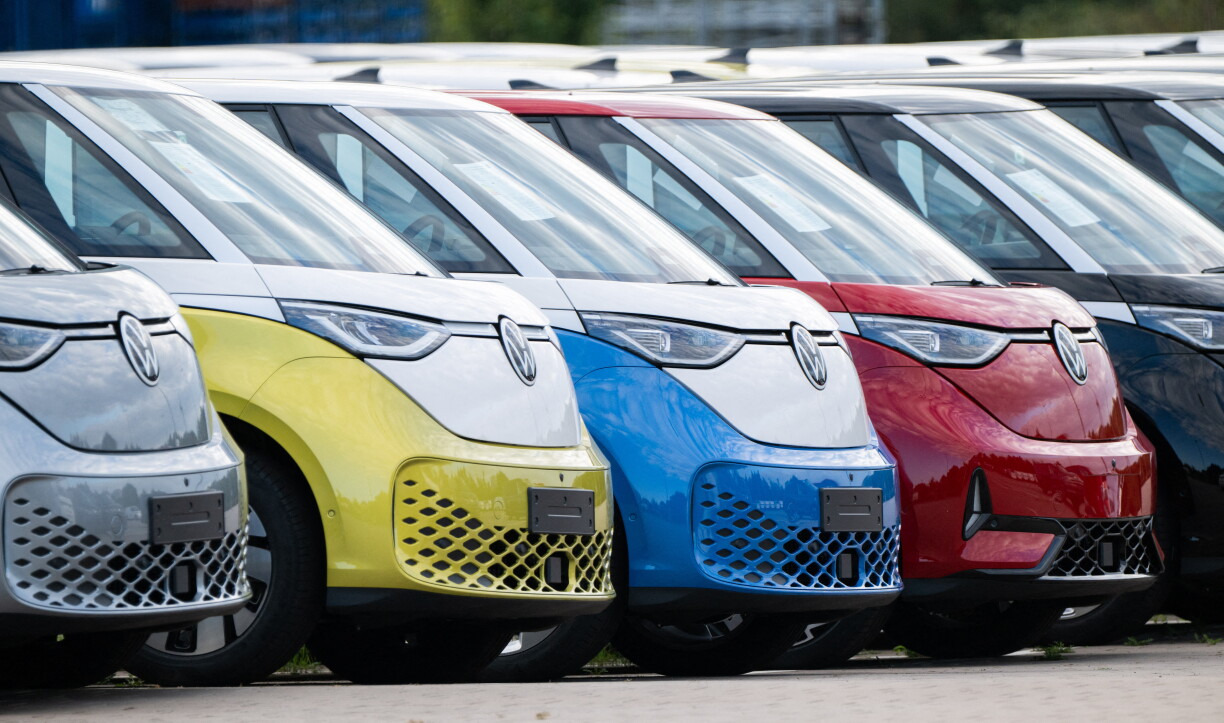
Due to defective batteries, German carmaker VW is recalling more than 72,000 of the group's electric vehicles worldwide. Some battery cells reportedly fail to meet quality standards. However, the group is seeking to reassure the public, saying there is only a very low risk of the batteries overheating or catching fire.
Battery cells are at risk of overheating in thousands of Volkswagen Group vehicles. Two recalls mainly affect the ID.3, ID.4, ID.7 and ID.Buzz models, specifically vehicles manufactured between 2022 and 2025. The recall of the Born model, made by VW's Spanish subsidiary Cupra, concerns vehicles from 2022 to 2024.
The German Federal Motor Transport Authority (KBA) announced this on its website a few days ago. "High-voltage batteries that do not meet specifications may overheat and cause a fire," it said.
According to several media outlets, Volkswagen had already been preparing a recall for several days because of defective batteries. Internal quality checks revealed that some high-voltage battery cells fitted to certain vehicles did not meet quality standards. The problems are said to stem from production defects at suppliers. "In rare cases, this can lead to increased thermal stress on these batteries and, in extreme cases, cause a fire," the group said. However, according to the KBA's initial information, there have been no known incidents causing property damage or injury to date.
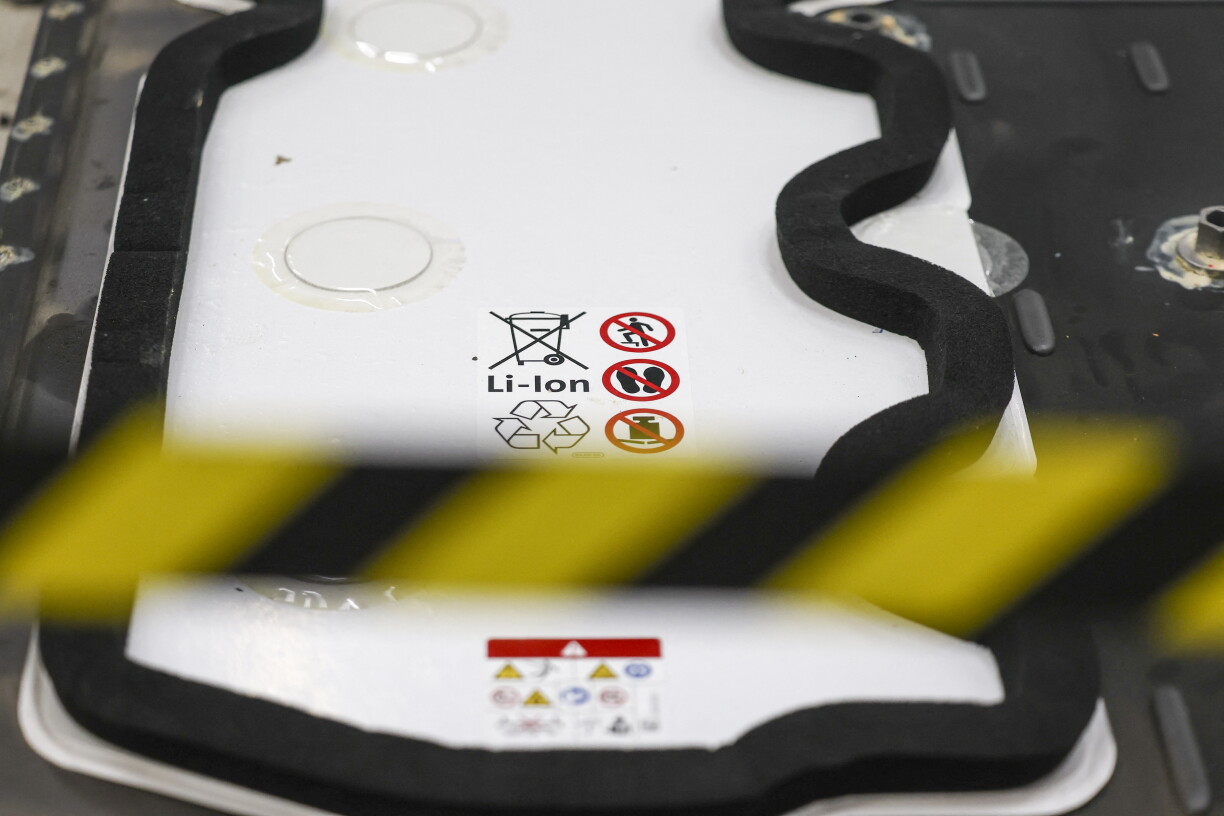
According to the initial information available, the batteries must be checked at a workshop. In the meantime, owners are being advised to charge their vehicles to no more than 80% and to put warning stickers on them. Where technically possible, the system itself limits the available charging capacity. This restriction can only be lifted once the battery has been confirmed as compliant.
Owners of the affected vehicles must be informed by post. The letter will contain all the important information, including details of the procedure and who to contact. Further remedial measures will also be communicated in writing. According to previous statements by a VW spokesperson, the battery modules affected by the defect will not necessarily need to be replaced: a software update may be sufficient.
At the end of September, VW faced another recall campaign, involving just over 5 million cars worldwide because of a screw in the steering system that was susceptible to corrosion. In some cases, this defect could compromise the steering system's attachment and therefore its operation.


