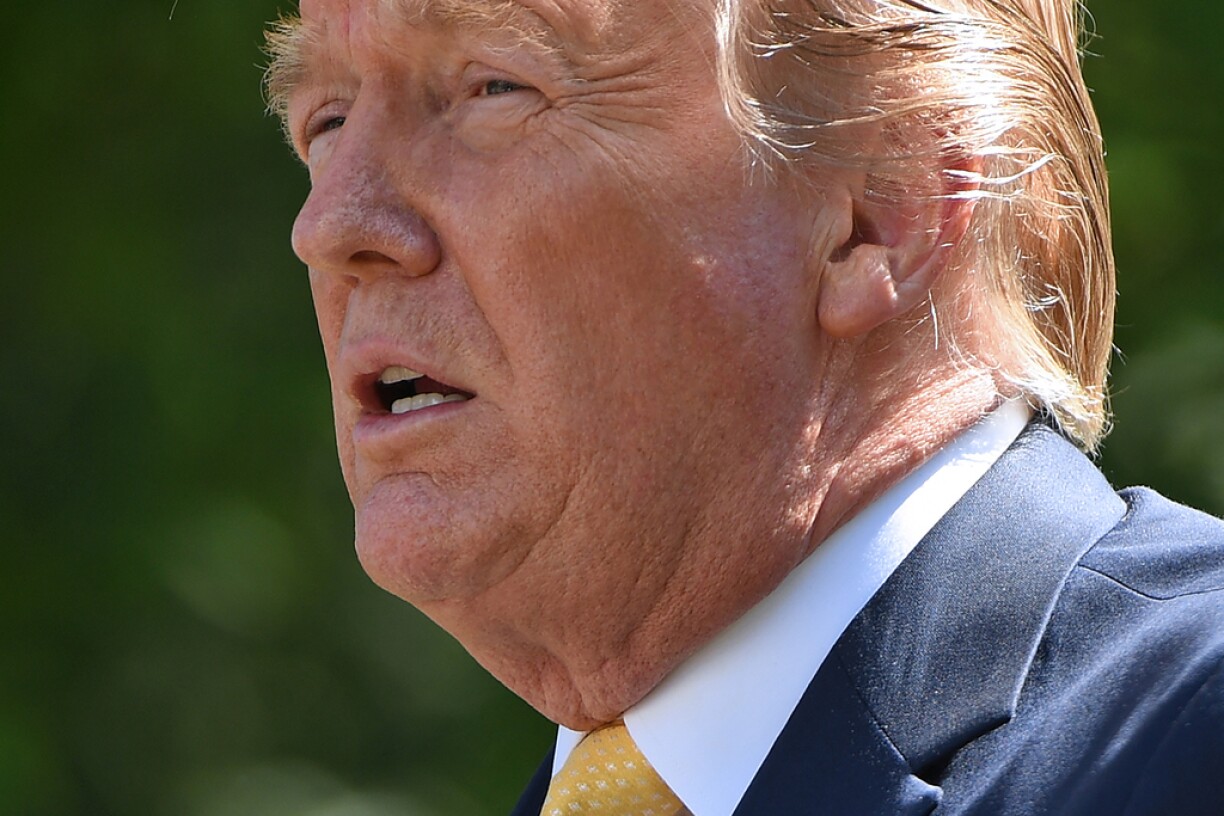
The five teenagers (aged between 14 and 16), known as the ‘Central Park 5′, were accused of brutally raping a female jogger and leaving her for dead in Central Park in 1989. The case became one of the most publicized cases of the 1980s.
Charges against them were dropped in 2002 after Matias Reyes, a convicted murderer and serial rapist who was already serving life in prison, confessed to the rape. DNA samples established him as the sole perpetrator.
The five wrongly convicted men were exonerated after spending between 5 and 13 years in prison. The group sued the city after their release and New York City settled in 2014 with the plaintiffs for $41 million.
Following the arrest of the five teenagers, Trump spent $85,000 for newspaper adverts calling for the return of the death penalty in the state.
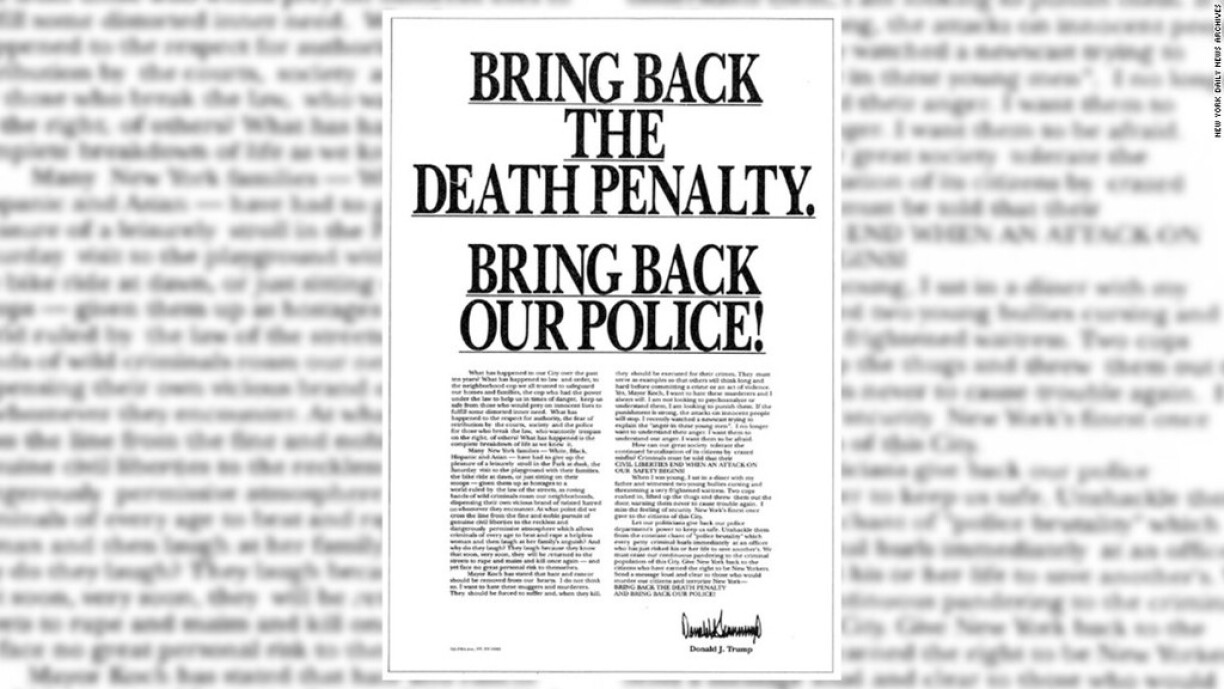
“I want to hate these murderers and I always will,” Trump wrote in the ad." He added: “I am not looking to psychoanalyze or understand them, I am looking to punish them.”
The case has received renewed public attention in recent weeks when Netflix released the mini-series When They See Us, which recounts the uprooted lives of the wrongly convicted teenagers.
When Trump was asked by a reporter at the White House last Thursday whether he would offer an apology to the five men, he sidestepped the question and stressed that the teenagers had admitted their guilt.
In his own words: "You have people on both sides of that. They admitted their guilt. If you look at Linda Fairstein and if you look at some of the prosecutors, they think that the city should never have settled that case. So we'll leave it at that."
Speaking to the New York Times, Barry Scheck, a founder of the nonprofit Innocence Project, called Trump’s response "deeply disturbing."
“It’s shocking and deeply troubling that after all of these years, he would not have recognized that by calling for the reinstitution of the death penalty, it contributed to an atmosphere that deprived these men of a fair trial.”





