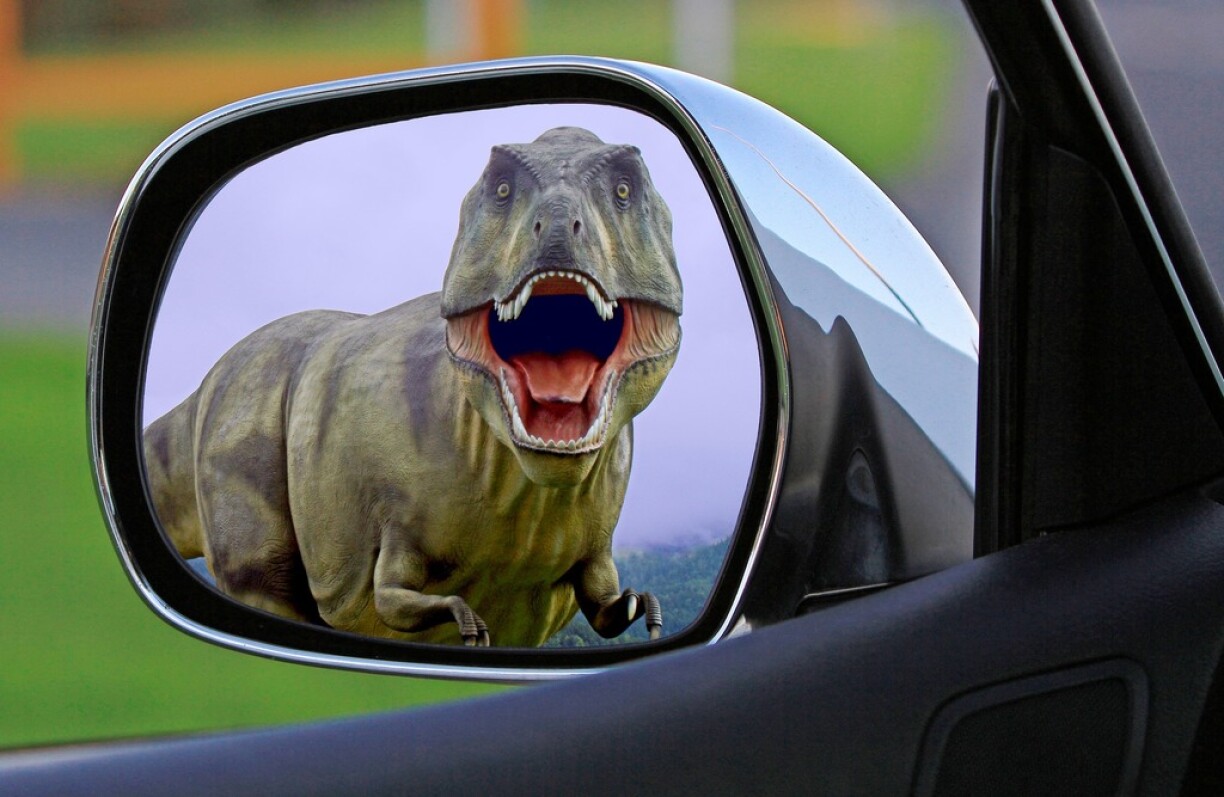
It appears that the Vosges gendarmerie has also had enough of tailgating. The gendarmerie's Twitter account came out with a sassy and quite sarcastic take on tailgaters :"After months observing them in their natural habitat, palaeontologists have come to this conclusion: drivers who tailgate the cars in front of them make use of a rudimentary intimidation tactic specific to primitive populations."
The sarcastic tweet is obviously meant to entertain, but has a more serious purpose - it is part of an awareness campaign by the Twitter account due to highlight road safety.
The gendarmerie made the most of the occasion to remind their local 'dangerous drivers' that failing to provide a safe distance between their vehicle and the one in front can leave them quite bitter. Regardless of where they're caught, be it in a city, out of town, or on the motorway, if a police officer does catch them tailgating, this is deemed a fourth-level offence. Put another way, drivers could lose three points on their licenses alongside a rather nasty fine.
As for those drivers who think they still have sufficient reflexes to tailgate other cars at speeds of 110 km/h or more, it is worth remembering that the recommended safety distance increases the faster the car is going.
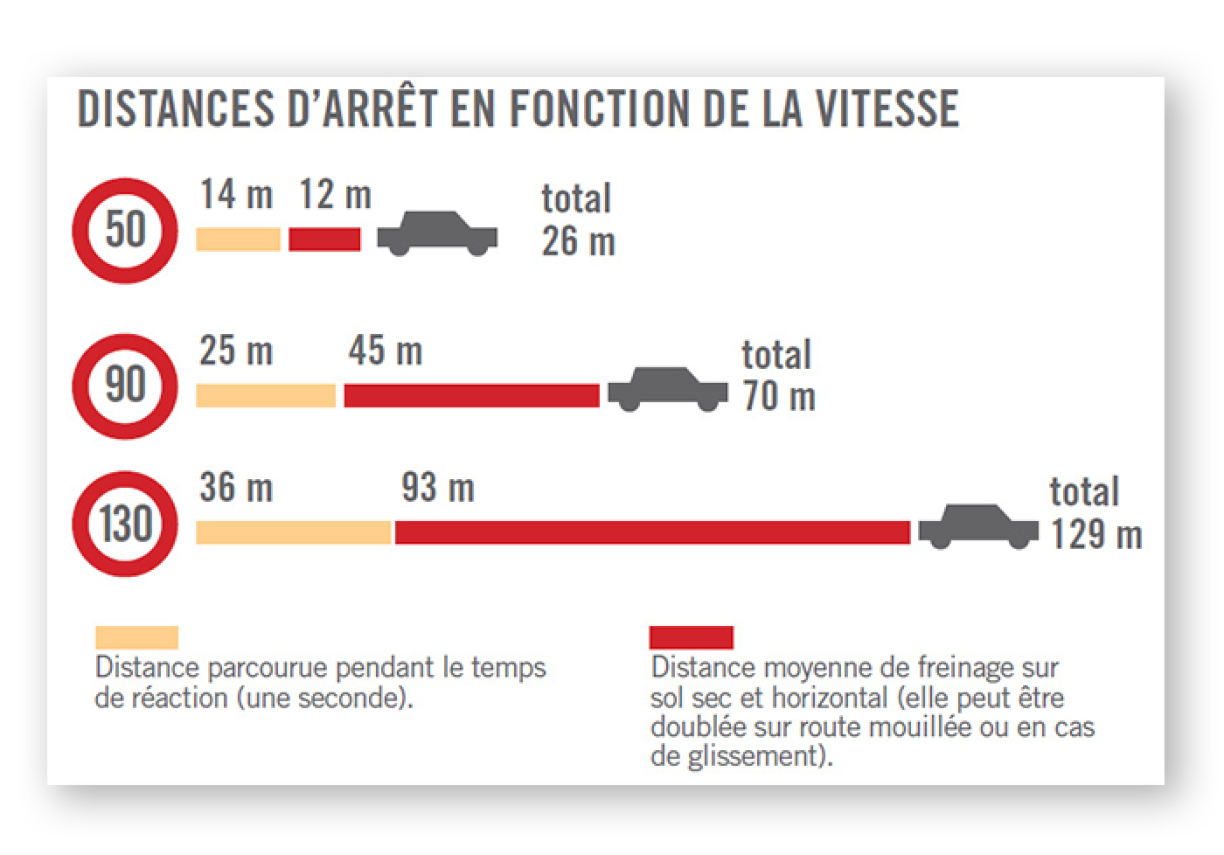
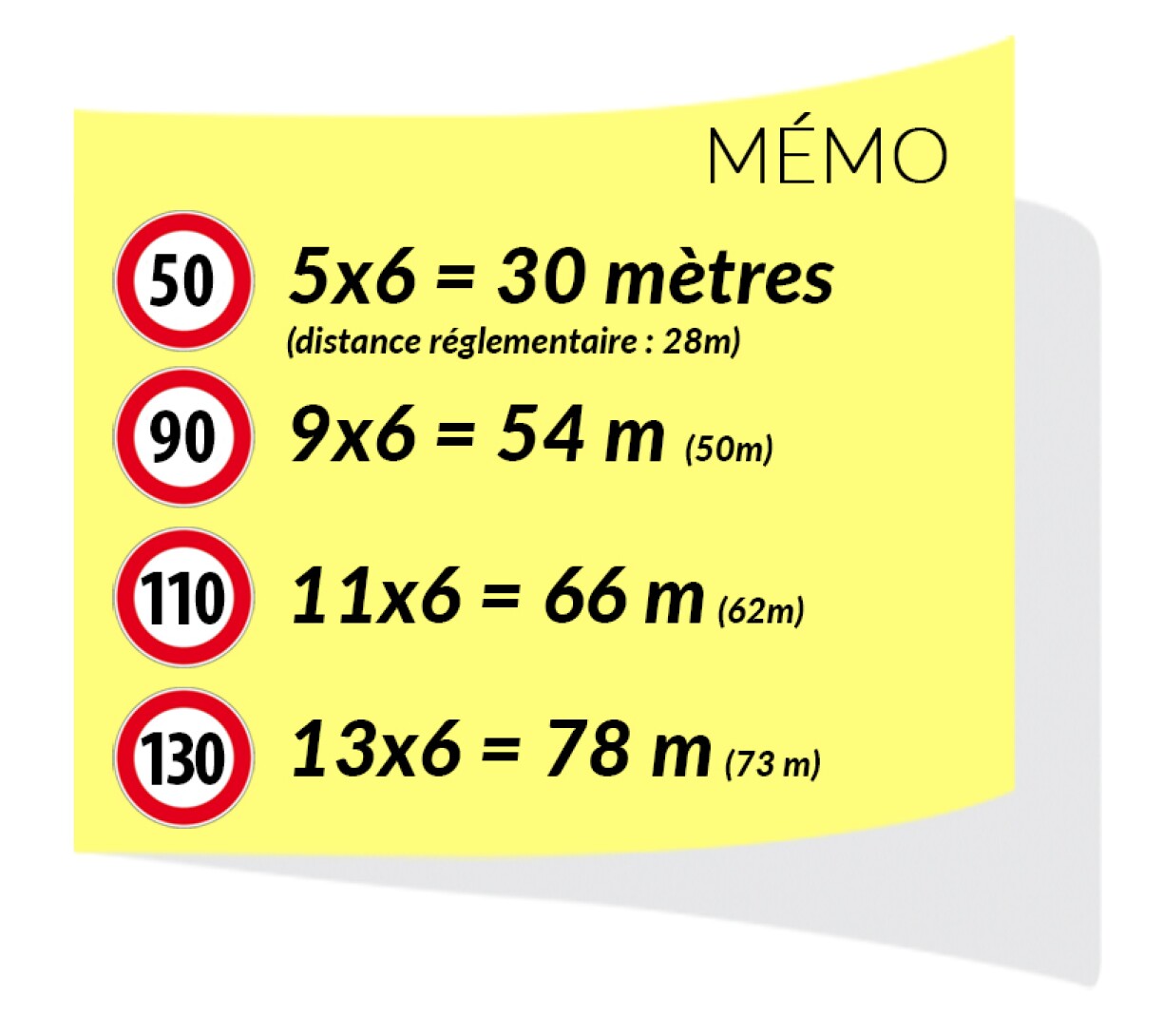
Finally, if the above does not succeed as enough of a deterrent, in the event of an accident, the driver crashing into a car in front is more likely to end up in hospital following the impact. Equally, they would have to cover the financial consequences of the crash. The tailgater will usually be in the wrong, even if the car in front decides to brake because the driver's fed up of someone getting all up in their space.





