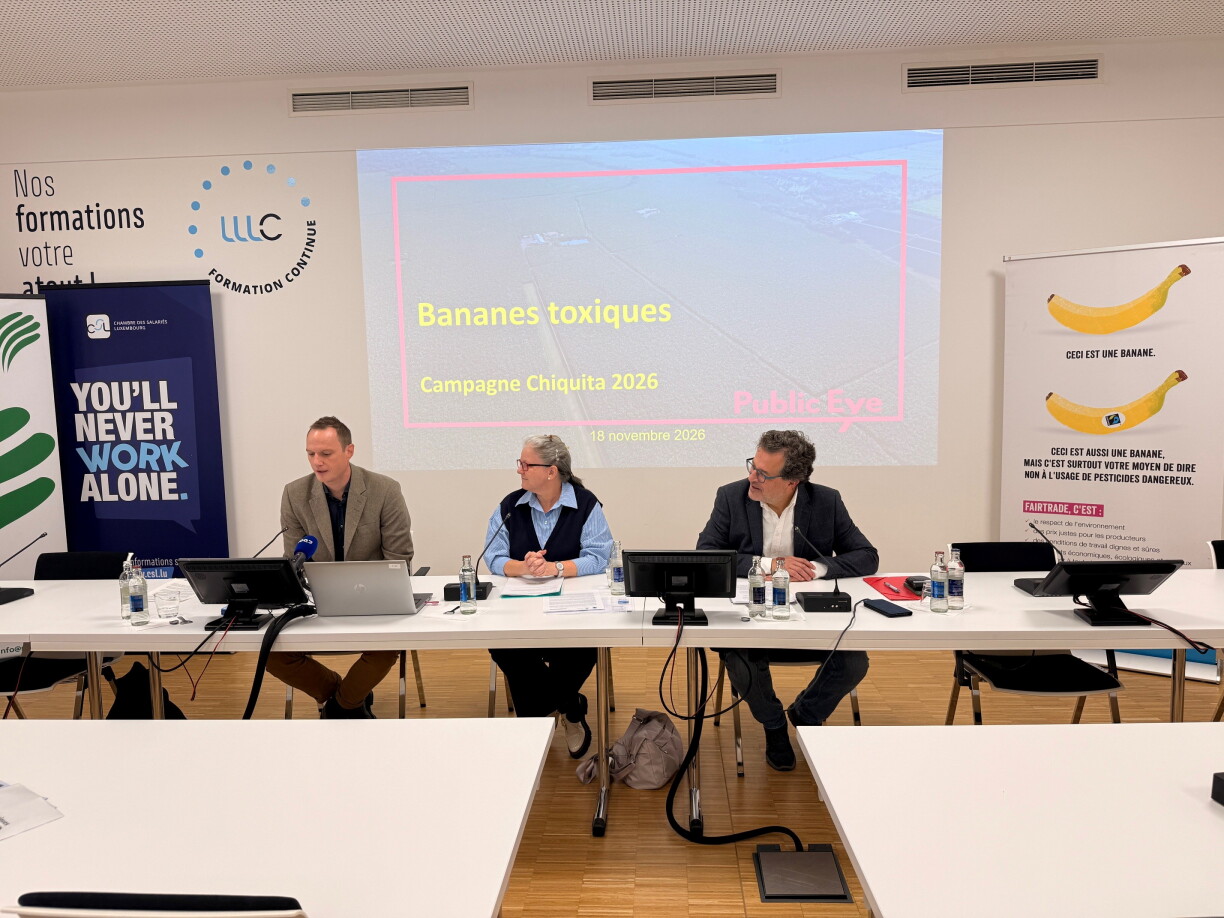
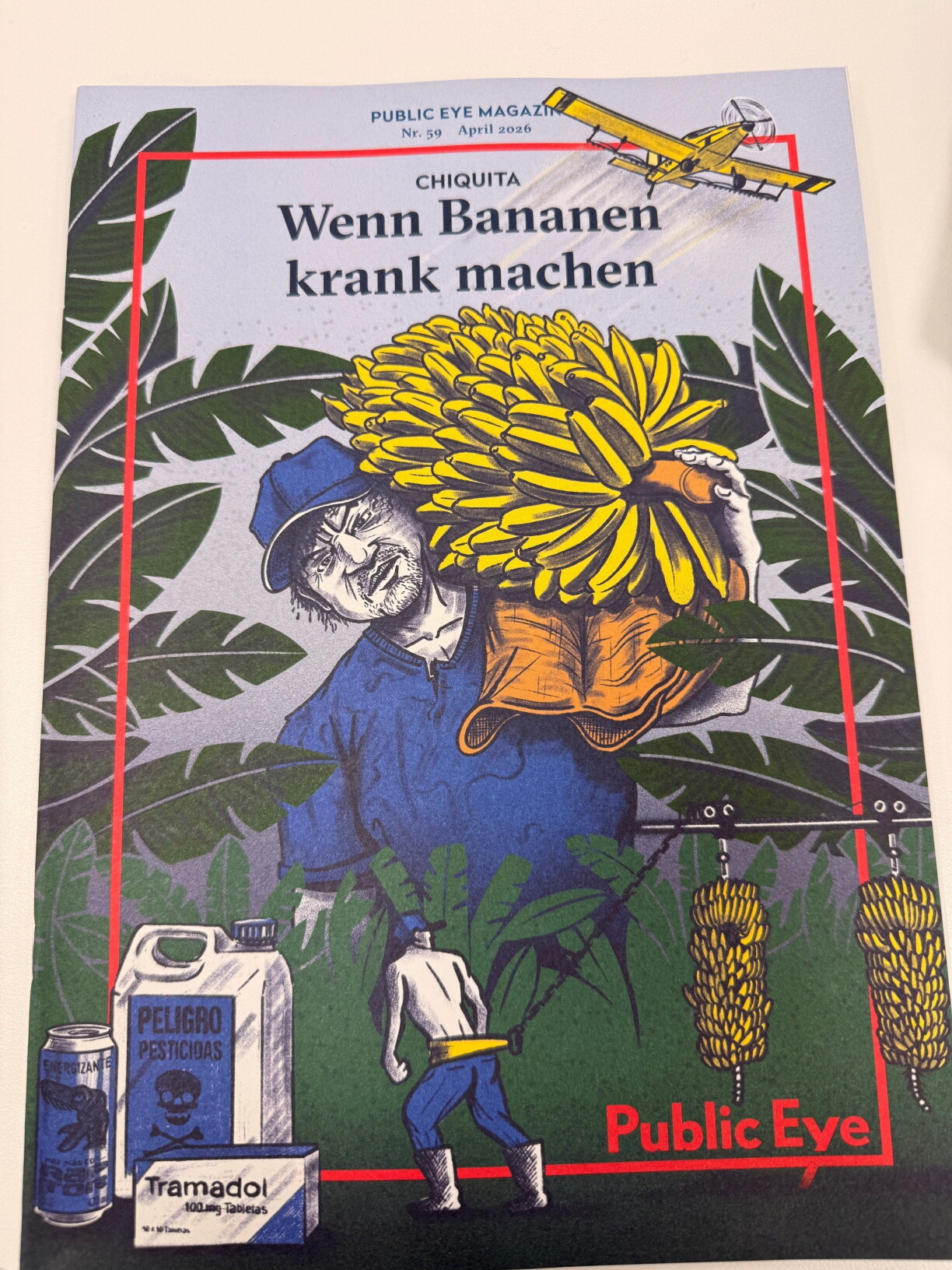
Sub-minimum wages, aerial pesticide spraying over workers, and the suppression of trade union rights: these are the findings of an investigation by the Swiss NGO Public Eye into working conditions at Chiquita plantations in Guatemala. In response, Luxembourg’s Duty of Care Initiative is calling for stricter corporate accountability regarding supplier working conditions.
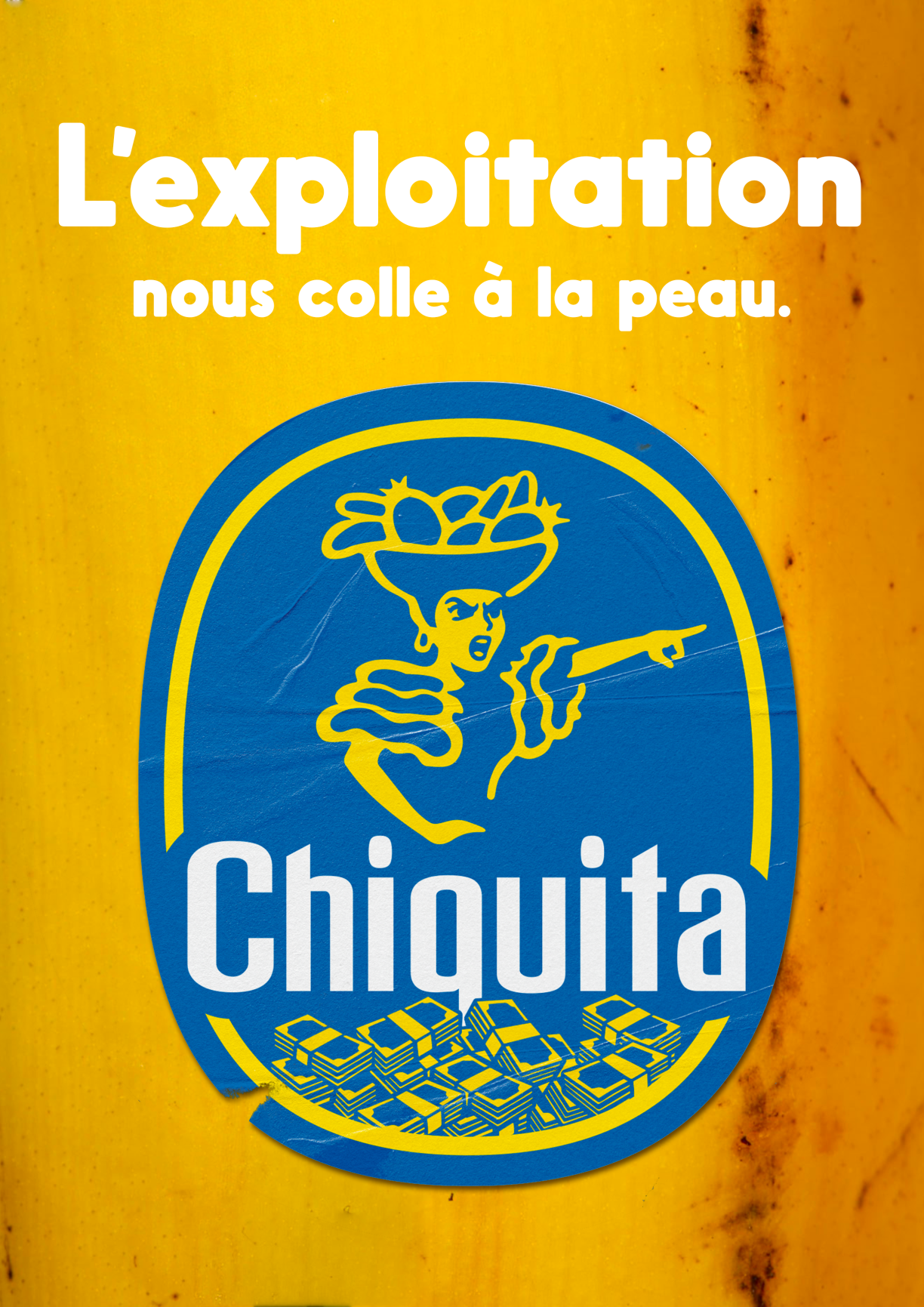
Bananas are the most consumed fruit in the European Union, with nearly six billion kilograms entering the EU market in 2024 alone. Despite being a staple in Luxembourg households, the conditions under which the fruit is produced are rarely scrutinised. A recent investigation by Public Eye into plantations in Guatemala has revealed alarming conditions at Chiquita, one of the world's largest banana producers. Robert Bachmann, who led the investigative team in South America, stated that the company is primarily accused of worker exploitation.
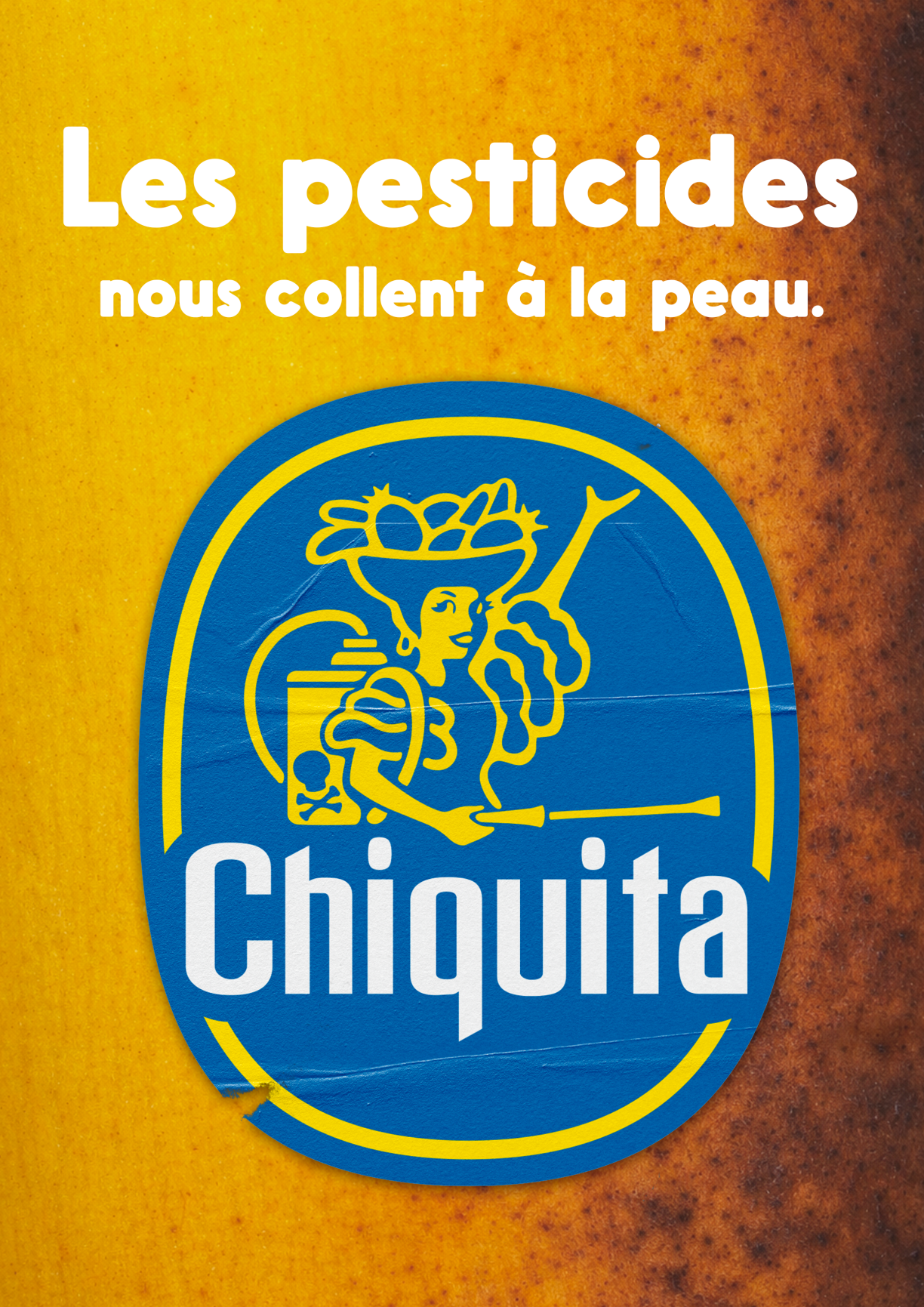
The plantations predominantly cultivate the Cavendish banana, a monoculture highly vulnerable to disease and therefore reliant on heavy pesticide use. Bachmann reported that a highly toxic chemical called Mancozeb – which has been banned in the EU for six years – is being aerially sprayed over workers without adequate protective measures.
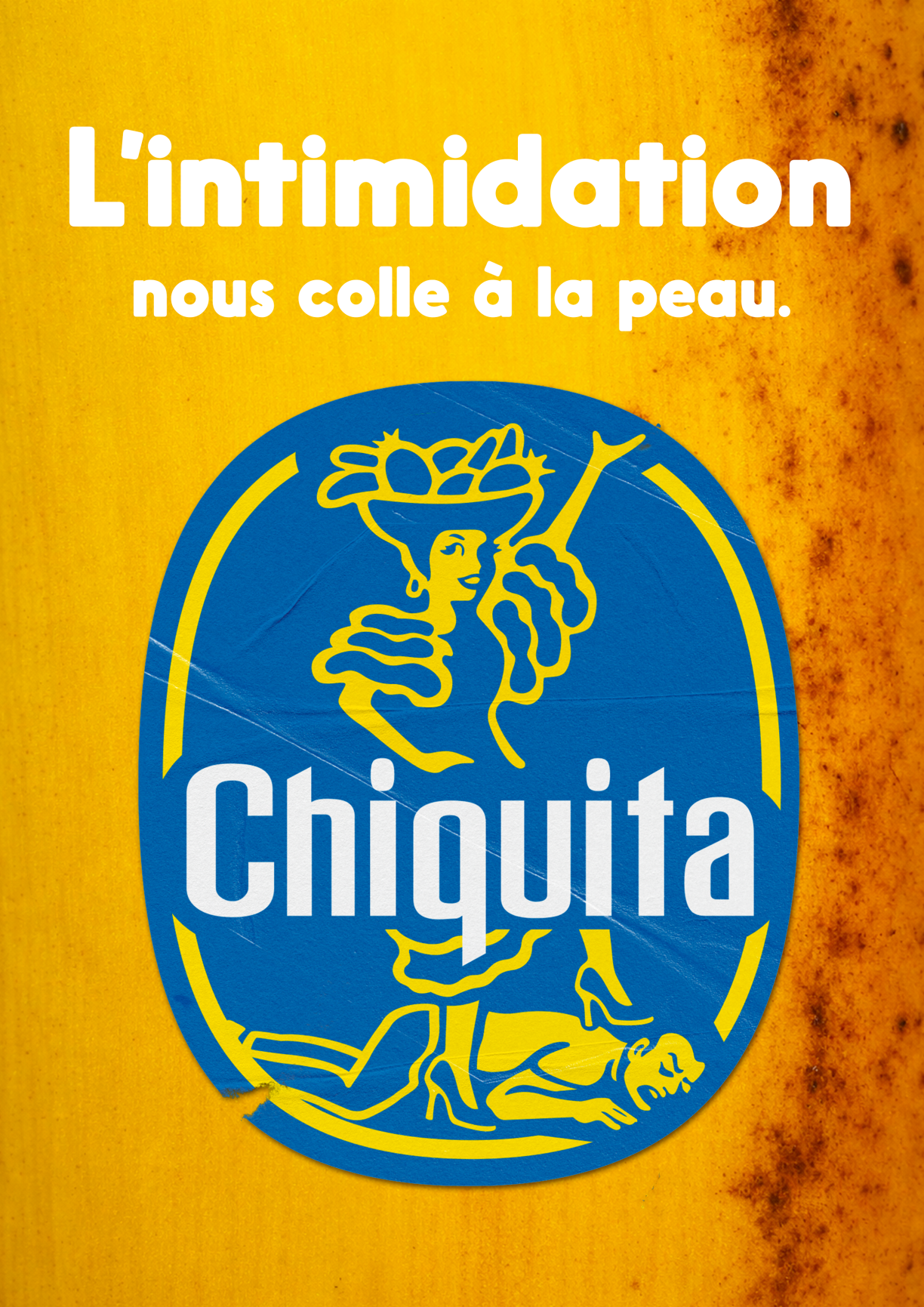
Efforts by workers to organise and push back against these conditions are severely hindered by a lack of union representation. Bachmann described a climate hostile to trade union freedom, noting that southern Guatemala, where most of Chiquita's production is concentrated, has virtually no active unions to uphold workers' rights.
This fear extends to local partners of the Luxembourg-based Fondation Partage. Denise Richard, speaking on behalf of the foundation, noted that while their contacts in Guatemala are aware of the issues, they have refused to comment further out of fear.
Public Eye has demanded that Chiquita pay at least the minimum wage, halt aerial pesticide spraying while workers are present, and guarantee the right to unionise. The company, however, has remained largely silent.
Bachmann confirmed that Chiquita did not respond to more than 50 questions submitted by Public Eye and other international media outlets. In late September, the NGO protested at Chiquita’s Swiss headquarters, delivering a petition with 28,000 signatures to the company's global sustainability director. While Public Eye continues to pressure Chiquita to leverage its influence to improve conditions in Guatemala, Bachmann acknowledged that the company has yet to make any official commitments to resolve the issues.
Locally, Luxembourg’s Duty of Care Initiative is echoing these calls for corporate responsibility. Jean-Louis Zeien, a representative of the initiative, emphasised that while consumers can choose to buy ethically sourced products, the burden of responsibility should not fall solely on them. He argued that wholesalers and supermarkets must also be held accountable, stating that ignoring known supply chain violations is unacceptable.
The initiative is urging companies to actively verify that human rights are respected by their suppliers and to intervene when violations occur. The legally binding nature of these obligations in Luxembourg will be determined next year with the implementation of the European Corporate Sustainability Due Diligence Directive. Ultimately, Zeien noted, it is up to policymakers to decide the extent to which Luxembourg will hold companies accountable, particularly in high-risk sectors.


