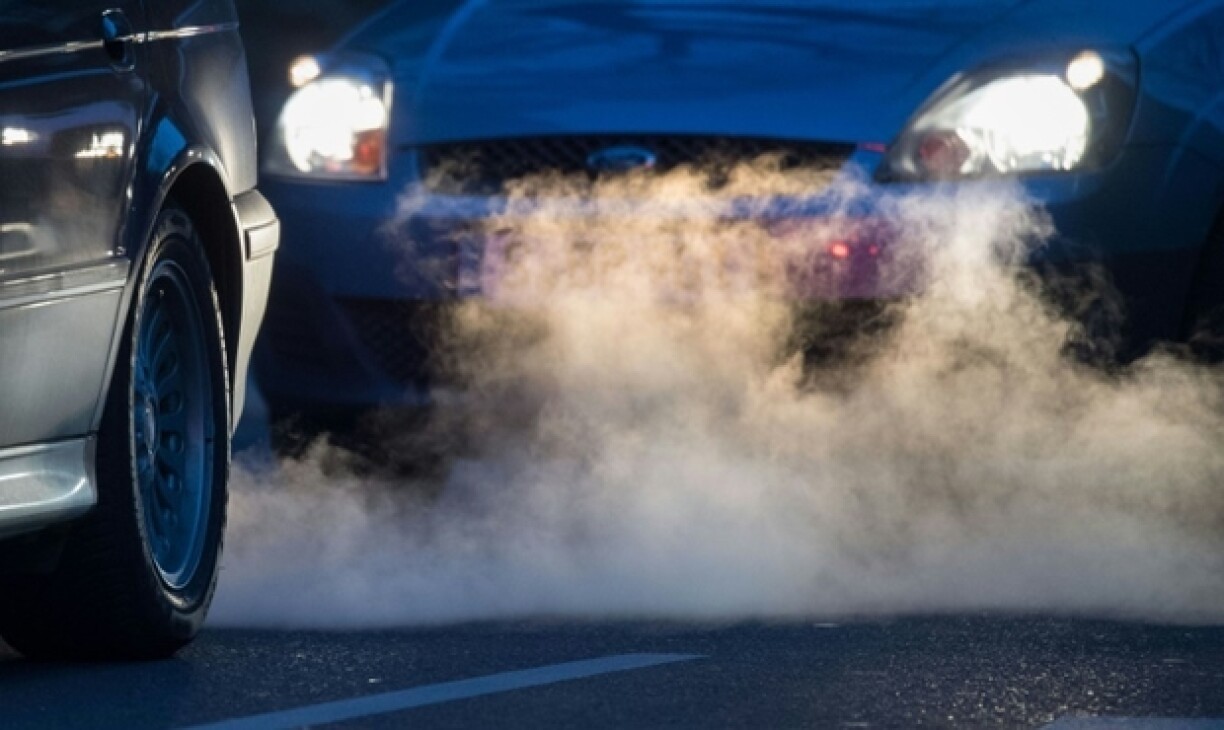
The first city to ban diesel is Stuttgart, where the ban came into effect on 1 January. There are around 72,000 diesel vehicles registered in Stuttgart, but counting commuters the actual number of motorists affected by the measure rises to 160,000.
The exact vehicles affected are those who fall under the European emissions categories 1 to 4. This affects not only old cars, but also more recent ones as the diesel category euro 4 applies to vehicles registered between 2006 and 2011.
These vehicles will no longer be allowed in the entirety of Stuttgart, with some exceptions. The measure allows workmen, chauffeurs, delivery drivers, and assistance services using diesel vehicles to drive through the city, although they need to request authorisation. According to the German press, there have been around 3,000 requests for authorisation.
Those with residences in Stuttgart have been granted a transitional period and the driving ban will only be enacted for this group from April onwards.
Police officers have already begun checking vehicles, but have stressed that this is not a targeted hunt on diesel drivers. However, those ignoring the ban will face an €80 fine.
As nitric oxide levels in Stuttgart exceeded the limits, the German Bundesumwelthilfe (an non-governmental environmental agency) complained and the courts ruled that a diesel driving ban should be enacted.
This makes Stuttgart the first area to enact a ban on such a large scale. Other cities will follow and may even extend the ban to the emissions category euro 5, which applies to cars registered after 2011.
The decision has not been without controversy, with the auto industry rising against it. Other experts have suggested that the thresholds are too strict and that measuring stations are in the wrong locations. Regardless, anybody planning on driving to German cities in the future should check in advance whether any driving bans apply.





