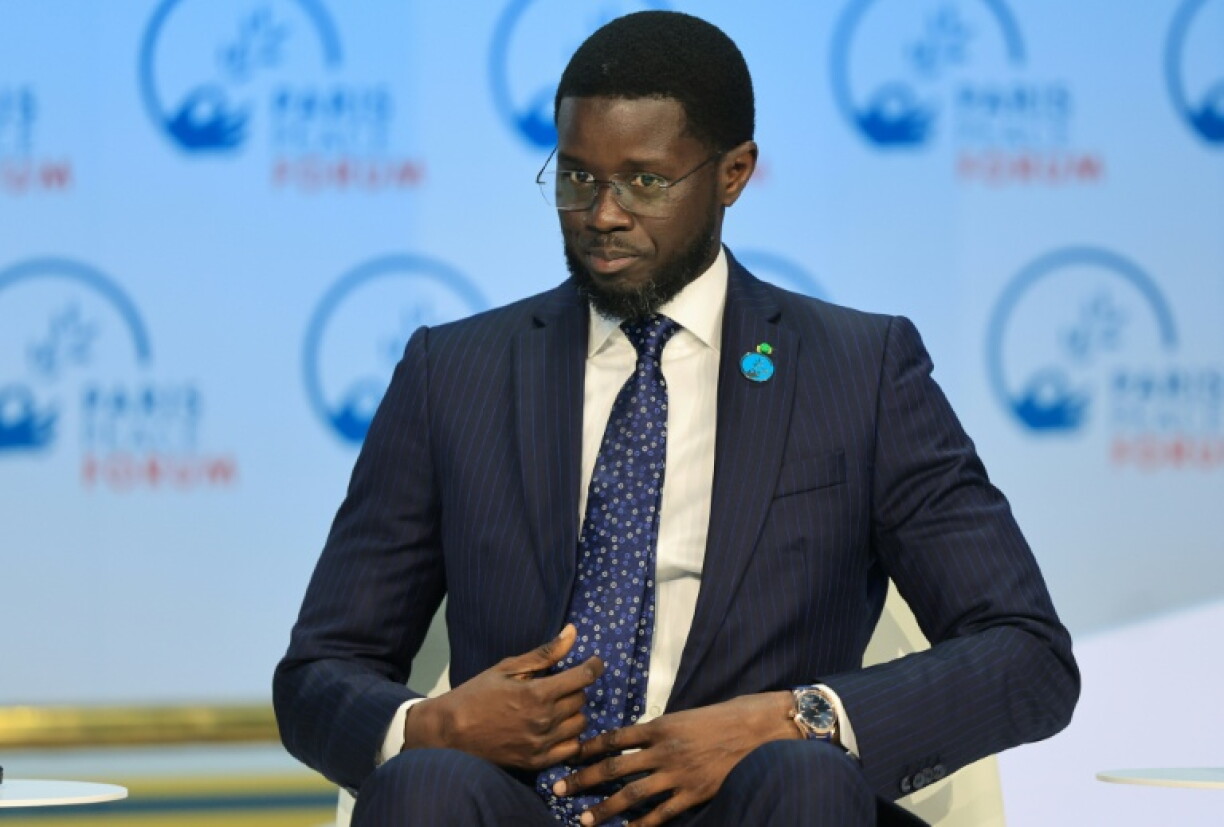
Senegal's President Bassirou Diomaye Faye on Thursday ordered into force by decree a budget bill rejected by parliament, which is seen as crucial to restoring public finances as the country finalises an IMF bailout.
Heavily indebted Senegal is embroiled in an unprecedented political and budgetary impasse, with Faye at loggerheads with the National Assembly, where the opposition Pastef party holds an enormous majority and is hostile to his budget measures.
Faye "has decided to bring into force the 2026 revised budget bill", his office said in a statement, bypassing parliament.
In September, Senegal announced it had struck a $2.2-billion International Monetary Fund debt programme aimed at stabilising its public finances.
But the IMF has yet to announce executive board approval and the bailout is subject to certain conditions.
The 2026 revised budget as well as a draft 2027 budget bill are key tools for settling Senegal's enormous debt, which the IMF loan programme is meant to help remedy.
Pastef leader Ousmane Sonko, an archrival of the president, is known for his disdain for debt restructuring which is required under the IMF loan, and previously called the concept a "disgrace" that would compromise Senegal's sovereignty.
While Pastef has not yet responded to the president's decision, influential Pastef lawmaker Amadou Ba wrote on Facebook that the president was "making a bad mistake" and had "no authority to put into force a rejected revised budget bill".
Conversely, Faye's decree was welcomed by Cheikh Diop, leader of the major trade union CNTS-FC, who said the decision comes as a "huge relief for the labour sector".
The measure, he said, will make it possible to pay off domestic debt which "weighs heavily on the lives of workers, on the economy as a whole and on the construction and public works sector".
The government has warned that failure to approve the revised budget could jeopardise the supply of electricity, payment of debts owed to businesses and disbursement of salary arrears to teachers.
Passage of the bill by decree comes as the National Assembly appears poised to reject the government's proposed 2027 budget.
Sections of the text were rejected by lawmakers during a plenary session on Wednesday, following similar rejections in committee the previous week.
The IMF said last week it was ready to discuss terms of a debt relief package with Senegal's stakeholders as the political stalemate threatens the plan.
Advancing the relief to the next stage "depends on completion of the agreed steps on a budget framework," IMF spokeswoman Julie Kozack said at a press briefing at the time.
Senegal faced public-sector debt estimated at 132 percent of GDP at the end of 2024.
mrb-lp-bfm/kjm


