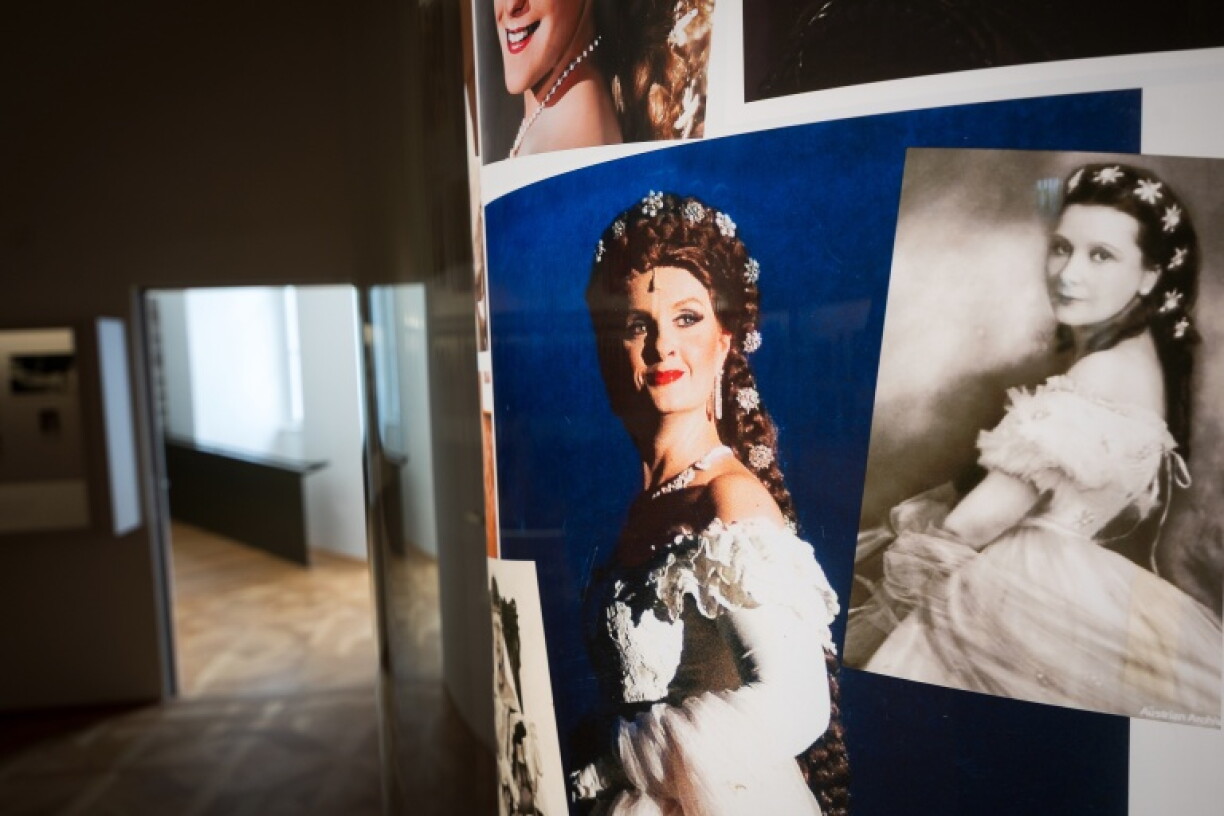
Visitors flocked from around the world on Thursday to see a newly redesigned exhibition in Vienna on imperial icon Empress Elisabeth, subject of a string of films and TV series -- and various misunderstandings, according to historians.
Elisabeth, nicknamed Sisi, spent 44 years as empress alongside Franz Joseph I during the final decades of the Habsburg Empire, until her assassination in 1898 by an anarchist during a trip to Geneva.
She has become a global phenomenon over the decades thanks to her portrayals in numerous popular films and shows, including the Netflix series "The Empress".
But historians say the image many people have of her today -- as a romantic, rebellious feminist who railed against the constraints of court life -- bears little resemblance to the woman she actually was.
The Sisi Museum, one of Austria's most popular museums, with 927,000 visitors in 2025, unveiled its new design on Thursday after a multi-year renovation costing 15 million euros ($16 million).
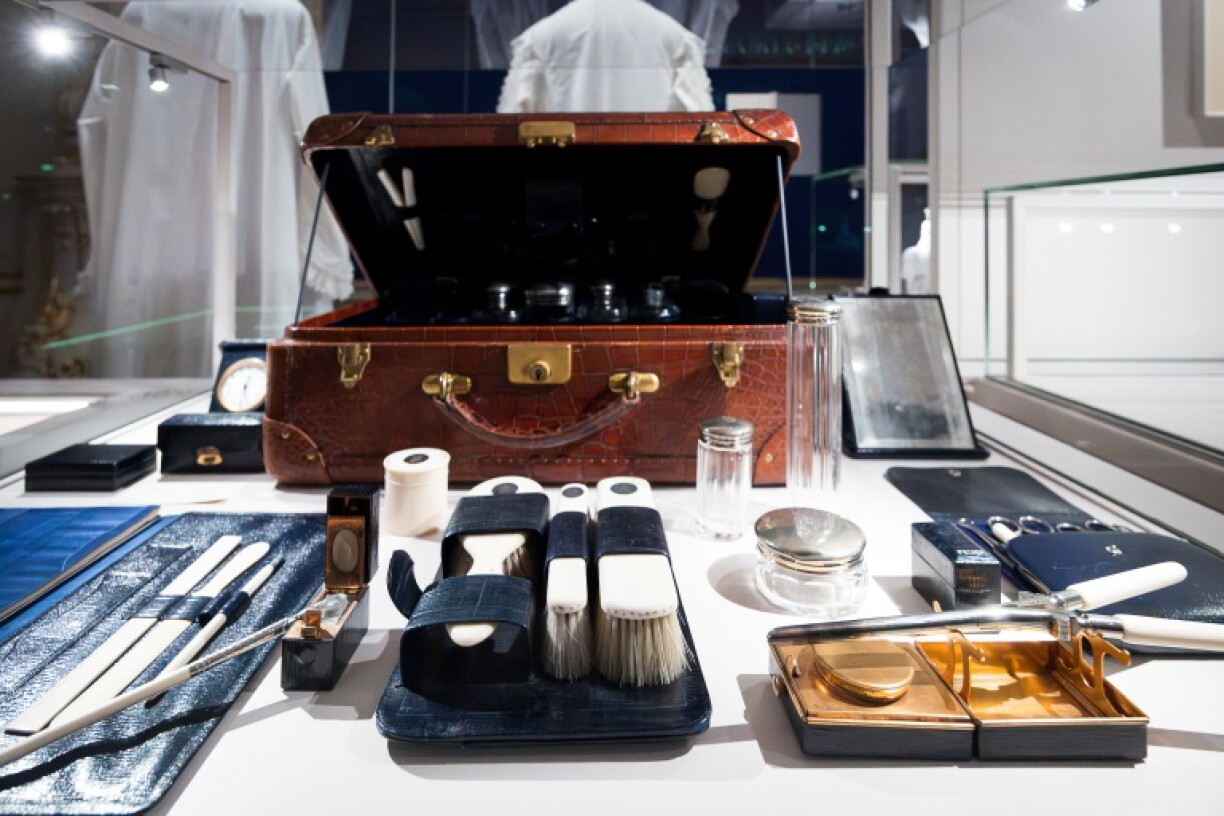
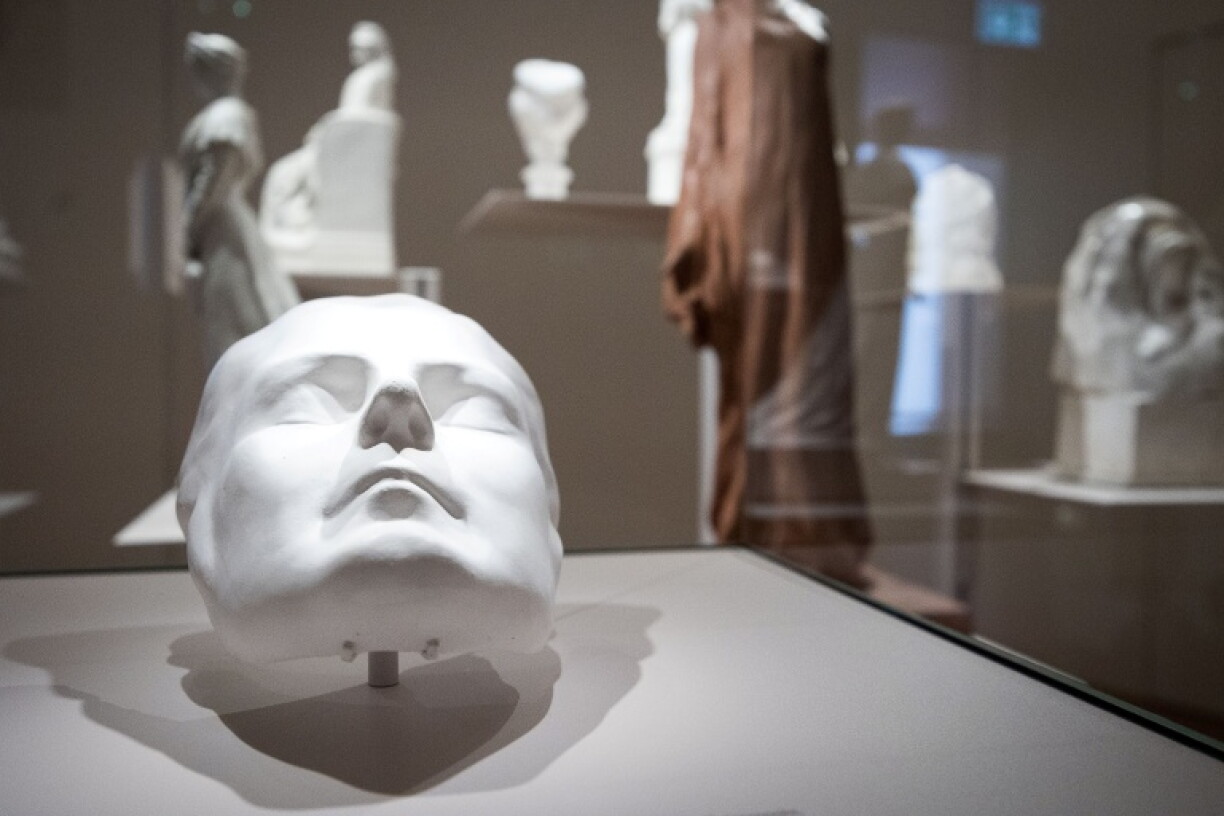
Visitors to the museum can see clothes and shoes that belonged to Sisi, as well as paintings, family mementoes and exercise apparatus representing the empress's famous dedication to fitness.
New attractions include the Weissgoldzimmer (White-Gold Rooms), lavish Rococo rooms that had previously been used as offices by the Austrian chancellery.
Several new objects are also on display, including a highly decorative Boesendorfer grand piano made for Elisabeth, as well as previously unseen dresses, shoes and riding equipment.
Museum curator Michael Wohlfahrt said the aim of the redesign was to move beyond the image of Sisi as a larger-than-life cultural icon, with new themes and a wider selection of exhibits that present her "in a completely new environment".
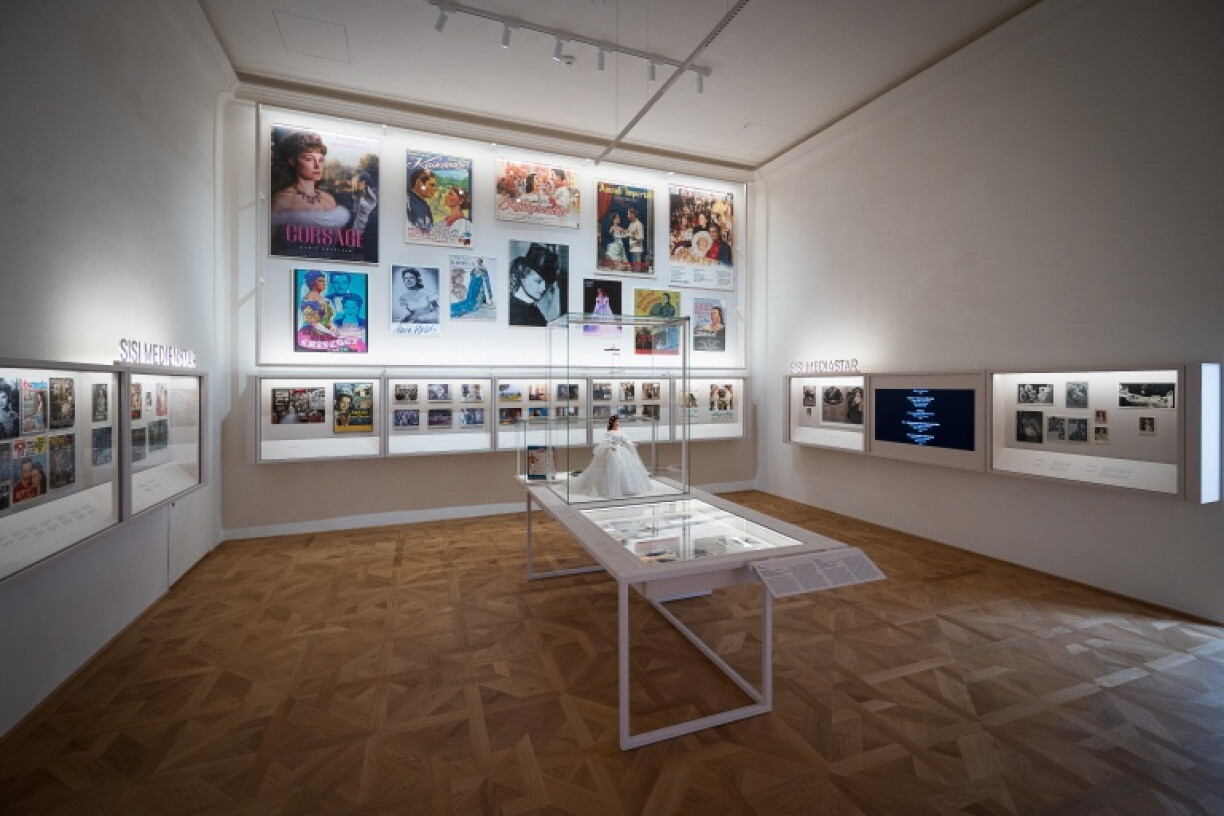
"The goal is to help people begin to understand that Empress Elisabeth was not a cult or fictional figure, but that behind this beautiful facade there was a real person," Wohlfahrt told AFP.
Erin Murphy, 24, visiting from the United States, said she had first come across Sisi watching "The Empress".
"The first thing you notice about her is her very long hair," Murphy said, noting that she had also heard about Sisi's "intense regimen for exercise and dieting, and that she was kind of wild and not of the court".
Over the past seven decades, Sisi, who was killed at age 60, has been repeatedly reinvented for new audiences.
The "Sissi" film trilogy, starring Romy Schneider and released between 1955 and 1957, presented her as a romantic fairytale heroine who falls head over heels in love with Franz Joseph.
The 2022 film "Corsage" depicted Elisabeth as a middle-aged woman struggling with ageing, beauty standards and the pressures of public life.
And more recent series from RTL+ and Netflix portray her as a strong-willed, rebellious woman determined to challenge the restrictions imposed by the imperial court.
"Each era has picked out one true thing about her and treated it as the whole person," Christopher Brennan, a historian specialising in the Habsburg Empire, told AFP.
Recent depictions have sought to portray Sisi as a "feminist rebel", Brennan said -- and there is "something in that".
"But what she fought for was, above all, her own freedom, and she could win it because she was an empress. She was not fighting for women's freedom," Brennan said.
For Katrin Unterreiner, a former curator of the Sisi Museum who has written several books about the empress, "people repeatedly project contemporary ideas onto Elisabeth simply because she seems to fit the present age".
"Many of the ideas now associated with Elisabeth are based on historical misunderstandings," Unterreiner said.
"She was not famous in her own lifetime. She withdrew completely from public life. She didn't want to be famous and she wasn't particularly popular."
For Wohlfahrt, however, Elisabeth has an enduring appeal that has survived through all her various reinventions.
"She demanded the right to determine her own life, and that's something that makes her timeless, even for people today," he said.
"It doesn't matter whether you're a man or a woman, young or old. Everyone wants to live a self-determined life."
fec/jza/jhb


